Business
Oil prices fall as Persian Gulf flows recover and OPEC+ boosts output
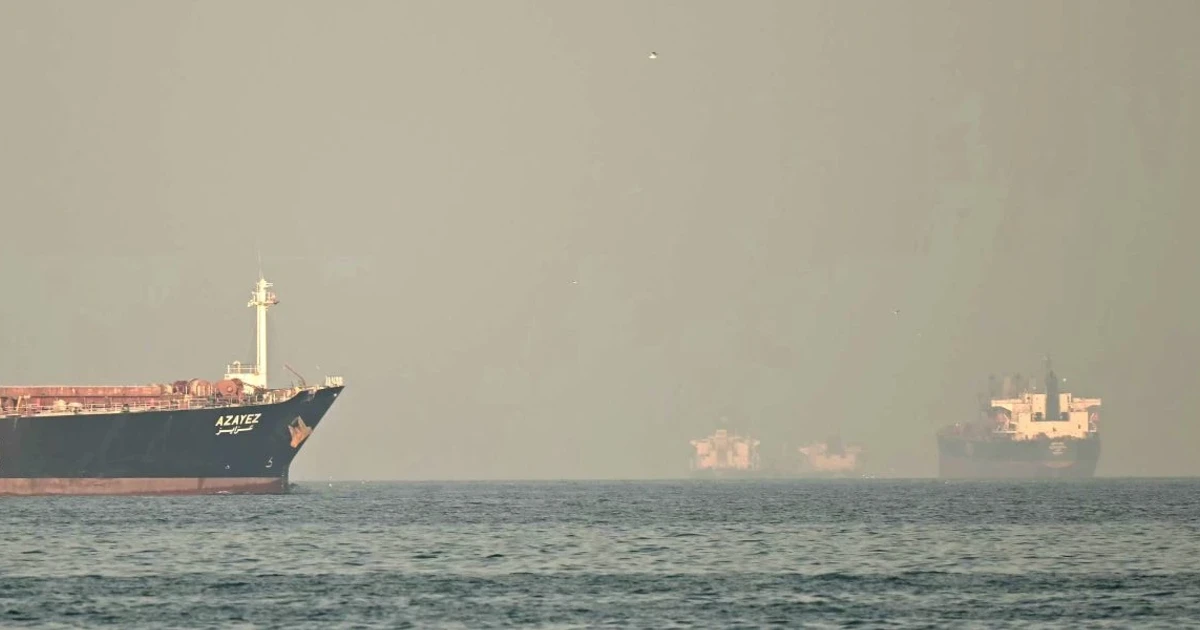
Brent crude slipped below about $71 a barrel in early July as tanker traffic recovered through the Strait of Hormuz and OPEC+ added more supply, easing pressure on gasoline, diesel and near-term inflation expectations. The move has shifted the market away from fears of a sudden oil shock and toward a growing debate over whether the latest drop is durable or only a temporary breather.
At least 20 oil tankers carrying 35 million barrels left the Persian Gulf after the United States and Iran agreed to reopen the sea lane, and flows through Hormuz rose to about 4.8 million barrels a day. That was a sharp improvement, but still far below the roughly 15 million barrels a day that moved before the conflict, showing the market has not fully normalized. Morgan Stanley counted 35 oil and gas tankers exiting the strait on one day, back in the 30-to-40-vessel range common before the fighting.
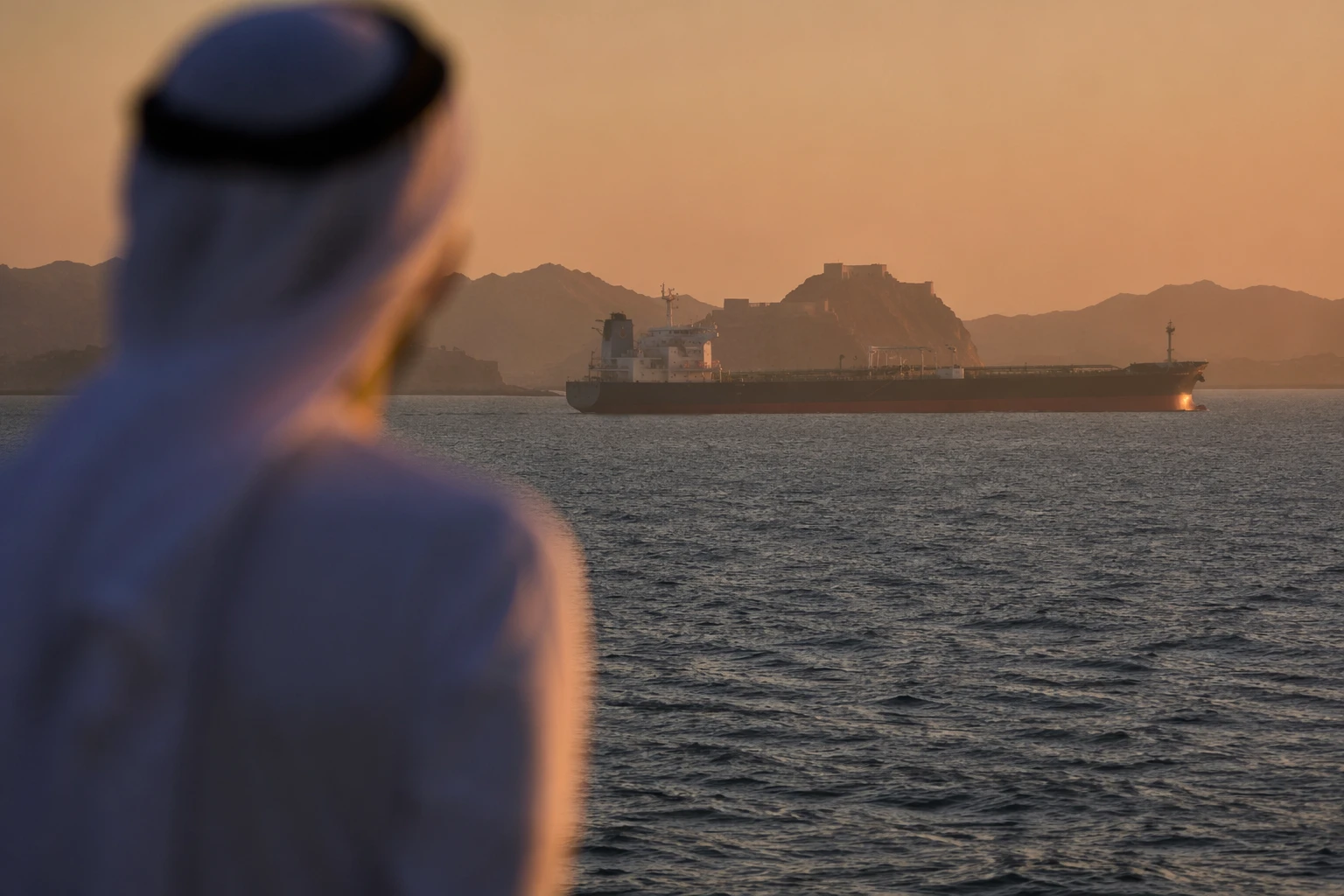
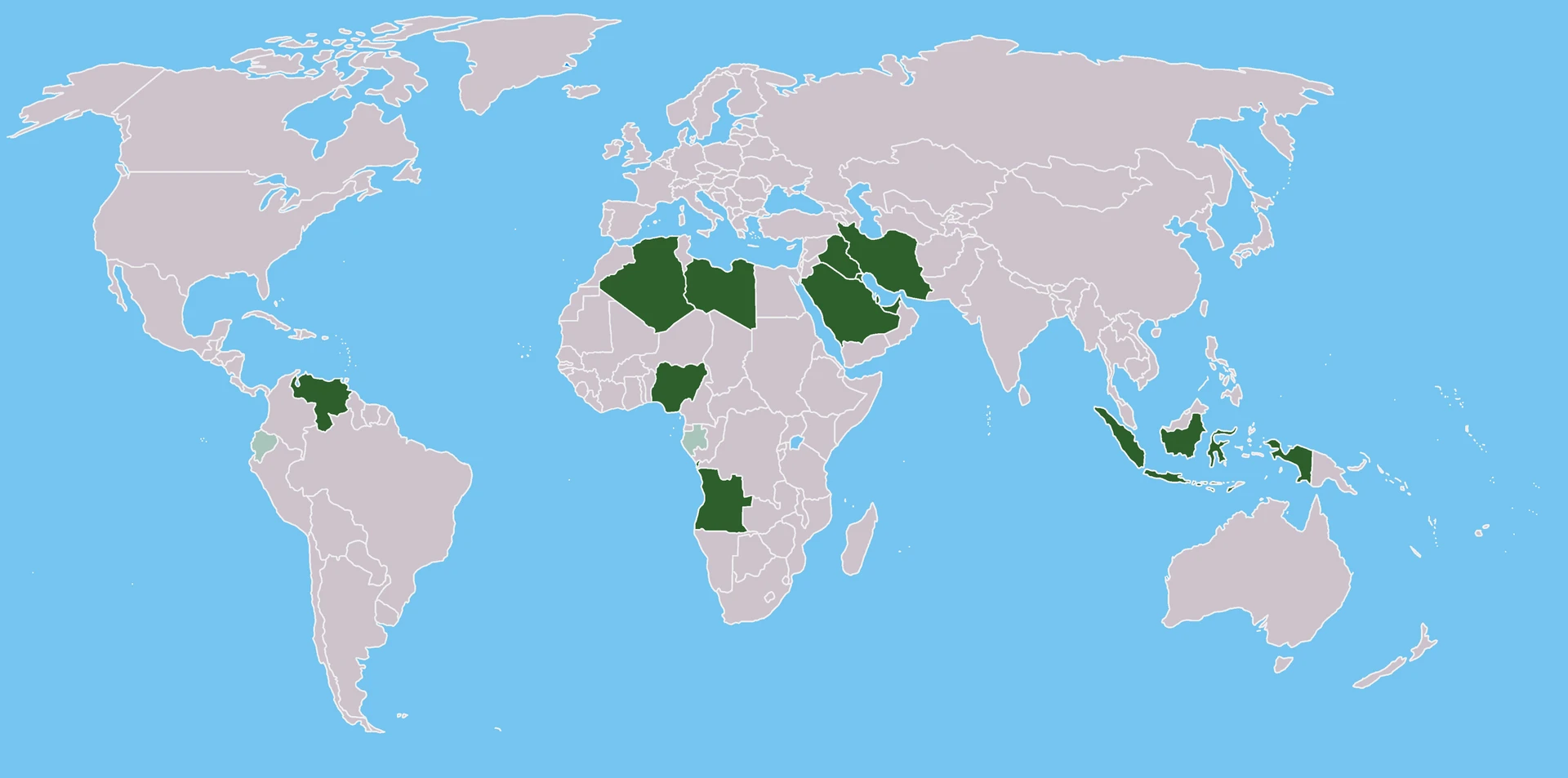
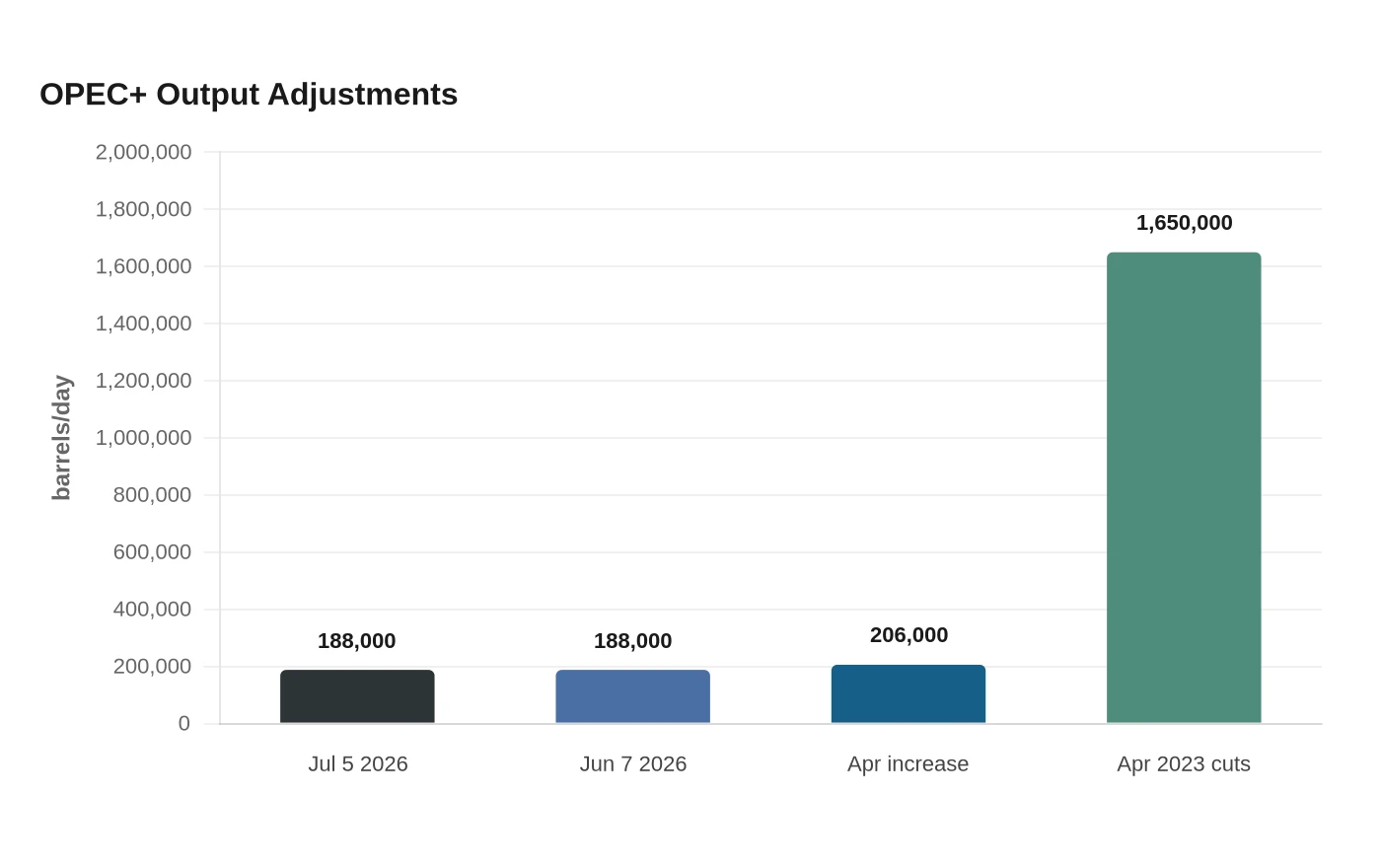
The supply pressure increased again over the weekend. On 5 July 2026, OPEC said the seven OPEC+ countries that had previously announced voluntary adjustments, Saudi Arabia, Russia, Iraq, Kuwait, Kazakhstan, Algeria and Oman, would implement another 188,000 barrels a day increase starting in August. A month earlier, on 7 June 2026, the same group agreed to raise output by 188,000 barrels a day from July. OPEC said those moves were part of the unwind of the additional voluntary adjustments announced in April 2023, after the group had already approved a 206,000-barrel-a-day increase for April and said in April that eight countries were still working through the unwinding of 1.65 million barrels a day of additional cuts.
Morgan Stanley said the faster-than-expected reopening of Hormuz, combined with strong U.S. supply and weak Chinese demand, increased the risk of a global surplus and pushed it to cut its Brent forecast. The bank’s move underscored how quickly traders have gone from pricing in a supply interruption to worrying about excess oil if Gulf traffic keeps normalizing while OPEC+ continues to ease restraints.
That normalization is still fragile. Iran has kept issuing warnings to tankers using the strait, and a recent attack in the Gulf of Oman reminded shippers that the world’s most important oil chokepoint can turn volatile fast. For now, the return of tankers through Hormuz has cooled the panic that briefly sent Brent to about $126 earlier in the conflict, but the market is treating the current calm as conditional, not guaranteed.
Sources
- [1]nytimes.com
- [2]cnbc.com
- [3]reuters.com
- [4]opec.org
- [5]finance.yahoo.com
- [6]apnews.com