Business
Oil prices fall to March lows after U.S.-Iran peace deal signals
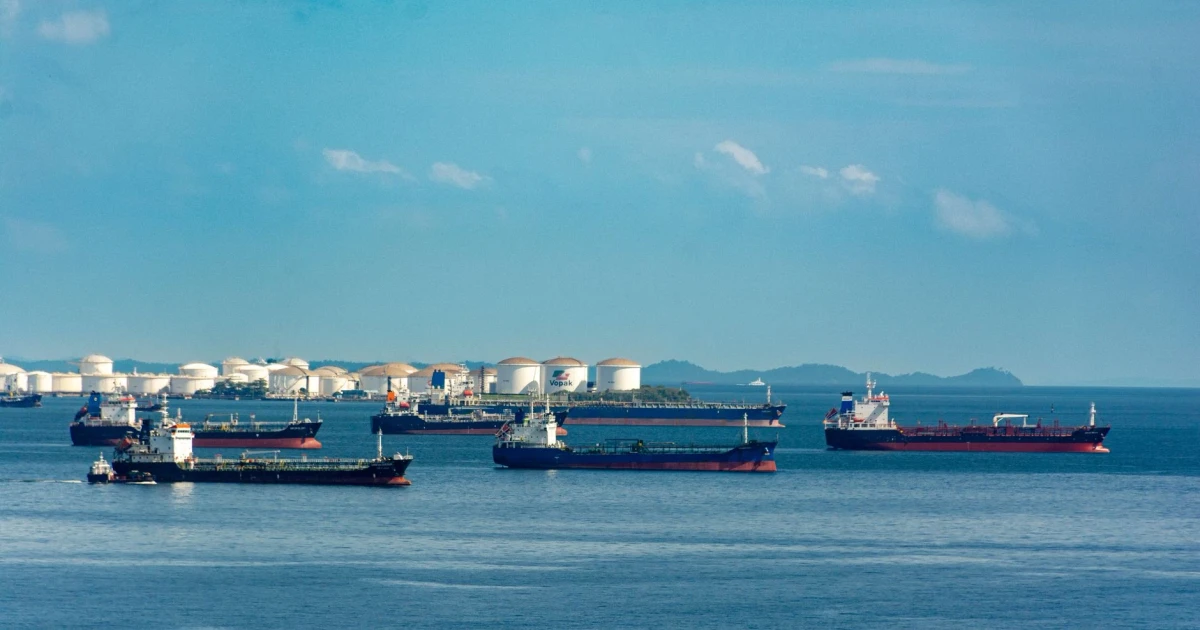
A sharp drop in crude is the first place Americans are likely to see the cost of a U.S.-Iran thaw, though relief at the pump will not arrive overnight. Brent crude fell to about $82.91 a barrel shortly after 5 a.m. ET Monday, while U.S. West Texas Intermediate slipped to about $80.21, both their lowest levels since early March, after traders reacted to signs that a deal could reopen the Strait of Hormuz.
The move followed a bruising week for oil. Brent settled at $87.33 a barrel on Friday, June 12, down $3.05, or 3.37%, while WTI finished at $84.88, down $2.83, or 3.23%. By Friday, prices were already down about 6% for the week, and both benchmarks had lost roughly $10 a barrel over that stretch as confidence grew that a peace agreement was nearing.
The route at the center of the market reaction is one of the world’s most important chokepoints for oil shipments. The Strait of Hormuz carries a large share of global crude trade, so any sign that flows through the waterway may normalize tends to pull a risk premium out of prices fast. That premium had been supporting oil through the Iran conflict, especially after prices rose sharply earlier in the confrontation.
For households, the effects would usually work through gasoline first, then diesel, shipping and jet fuel, and only later into broader inflation readings. But the pass-through is rarely immediate. Fuel already in storage has to be sold through, refiners and wholesalers adjust on their own schedules, and airlines often hedge fuel costs months ahead. That means drivers may not notice much at the station for days or even longer, even if crude keeps sliding.

The selloff also reflects how quickly geopolitical expectations can reset. CNBC said the Trump administration believed there was an 80% chance of a U.S.-Iran deal on June 12, even though the outcome was still uncertain. Analysts cautioned that any final agreement could still face pushback or implementation delays, which would leave room for another reversal if the talks stall.
For now, the market is pricing in less danger of a supply shock from the Middle East. If the deal holds and the Strait of Hormuz stays open, the biggest economic effect may be a ceiling on energy costs rather than an immediate break for consumers.
Sources
- [1]abcnews.com
- [2]finance.yahoo.com
- [3]abc17news.com
- [4]cnbc.com
- [5]morningstar.com
- [6]msn.com