Business
Oil prices fall to seven-week low as Iran, Israel halt attacks
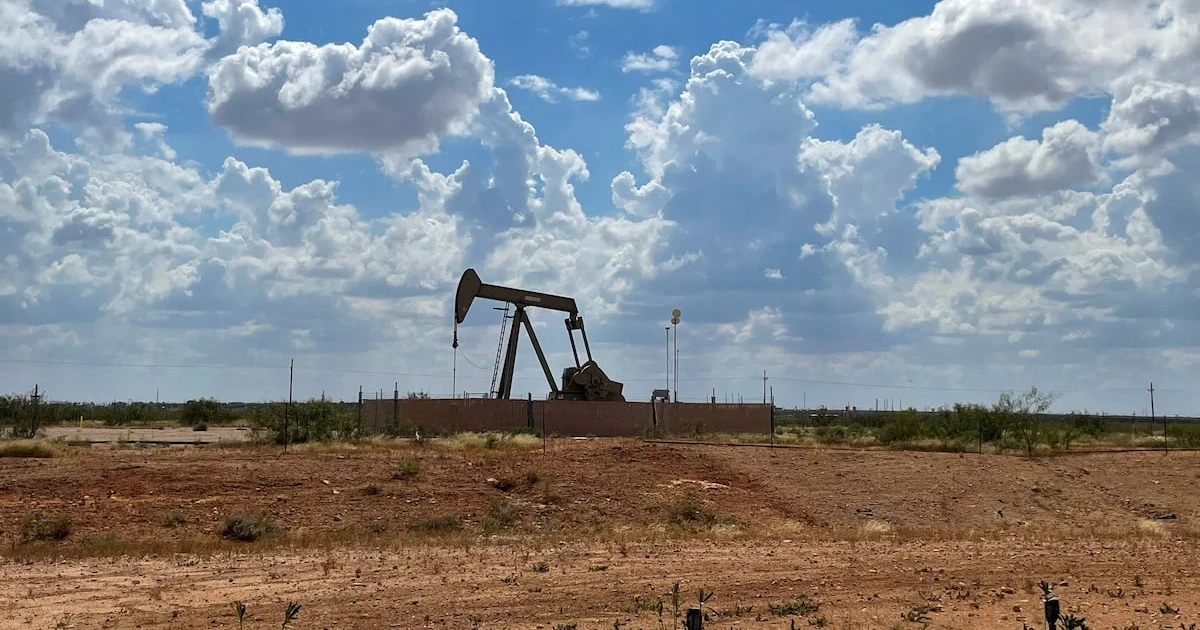
A cooling in the Iran-Israel conflict pushed crude to a seven-week low, a move that could eventually ease gasoline, shipping and inflation pressures if the pause holds. Brent settled at $91.45 a barrel and U.S. West Texas Intermediate finished at $88.20, both down about 3% after the two countries said they had halted attacks.
The drop showed how quickly traders stripped out part of the war premium that had been building into energy prices. Markets had already been easing on June 4, when oil fell about 3% on hopes that a broader deal could emerge after an Israel-Lebanon ceasefire. But the rebound in prices during the session, after Donald Trump said Iran had shot down a U.S. helicopter in the Strait of Hormuz, underscored how fragile the calm remains.
That waterway remains the market’s pressure point. The International Energy Agency says about 20 million barrels a day, roughly 25% of world seaborne oil trade, moves through the Strait of Hormuz, along with about 93% of Qatar’s liquefied natural gas exports and 96% of the United Arab Emirates’ LNG exports. Any disruption there would ripple quickly into global tanker routes, refinery margins and fuel costs at the pump.
U.S. Energy Secretary Chris Wright said on June 9 that ship traffic and oil exports through the Persian Gulf and the strait were rising “very meaningfully,” even as the conflict continued to shape trading. Iran, meanwhile, said it would resume hostilities if Israel kept attacking Hezbollah in Lebanon, keeping the ceasefire risk alive.

The supply picture is also being pulled by wider demand signals. The U.S. Energy Information Administration said oil production shut-ins averaged 11.3 million barrels a day in May and projected in its June Short-Term Energy Outlook that global oil demand would fall by 1.1 million barrels a day in 2026 versus 2025. It also forecast Brent at about $95 a barrel in 2026 and said OECD oil inventories would fall to their lowest since 2003.
That outlook is not universally shared. OPEC still sees global oil demand rising by about 1.2 million barrels a day in 2026, highlighting the divide over how much higher fuel prices and war risk will slow consumption. China is adding another brake: crude imports fell to about 7.8 million barrels a day in May, the lowest since October 2017, helping cap prices even as traders watch the Middle East for the next shock.
Sources
- [1]money.usnews.com
- [2]eia.gov
- [3]iea.org
- [4]bloomberg.com
- [5]opec.org