World
Oil prices jump after Iran declares Strait of Hormuz closed
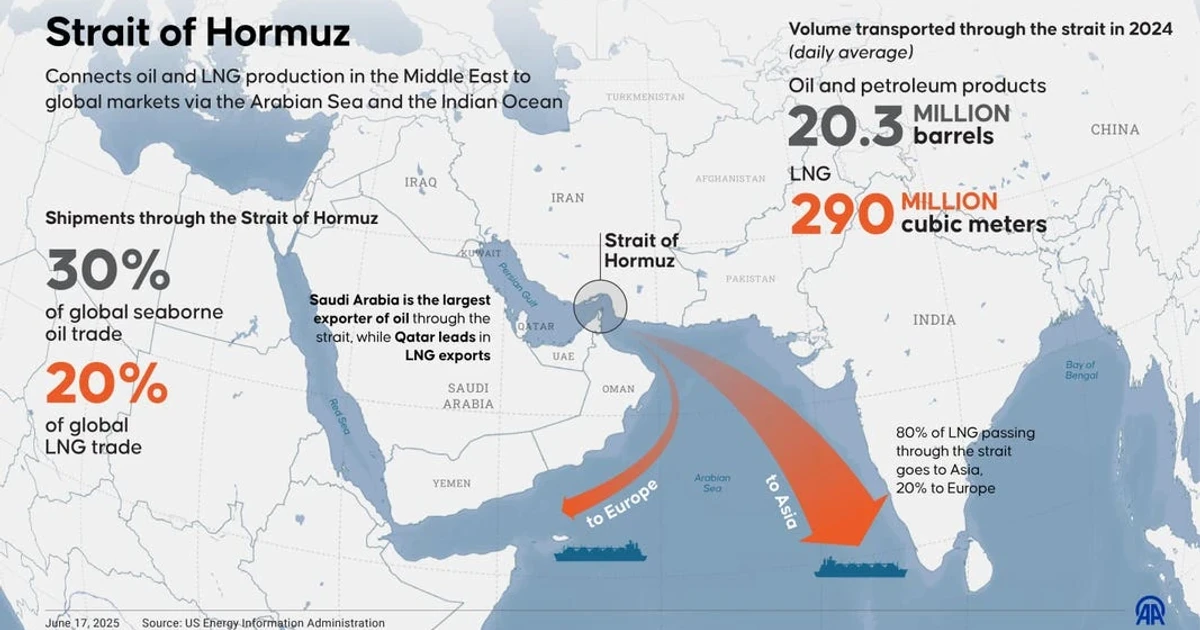
Oil prices jumped more than $2 a barrel after Iran declared the Strait of Hormuz closed following new U.S. strikes, turning a Middle East military exchange into an immediate threat to gasoline prices, freight costs and inflation. The chokepoint matters because it carried about 20 million barrels per day of oil in 2024, roughly one-fifth of global petroleum liquids consumption and more than one-quarter of global seaborne oil trade.
The scale of the route makes even a short disruption disruptive. The BBC says about 3,000 ships pass through the strait each month, or roughly 80 a day, and the International Energy Agency says about 80% of the oil that moves through the waterway is bound for Asia. Reuters-connected market reporting showed Brent at $95.40 a barrel and West Texas Intermediate at $92.63 in morning trade, a move that traders read as a warning that insurance, freight and fuel costs could all rise quickly if traffic slows.
The risk is not limited to crude. The U.S. Energy Information Administration says about one-fifth of global LNG trade also transited the strait in 2024, and the International Energy Agency says only 3.5 million to 5.5 million barrels per day of pipeline capacity exists to reroute crude around it. That leaves most exports still exposed to the waterway, where any interruption would hit refiners, shippers and consumers far beyond the Gulf.
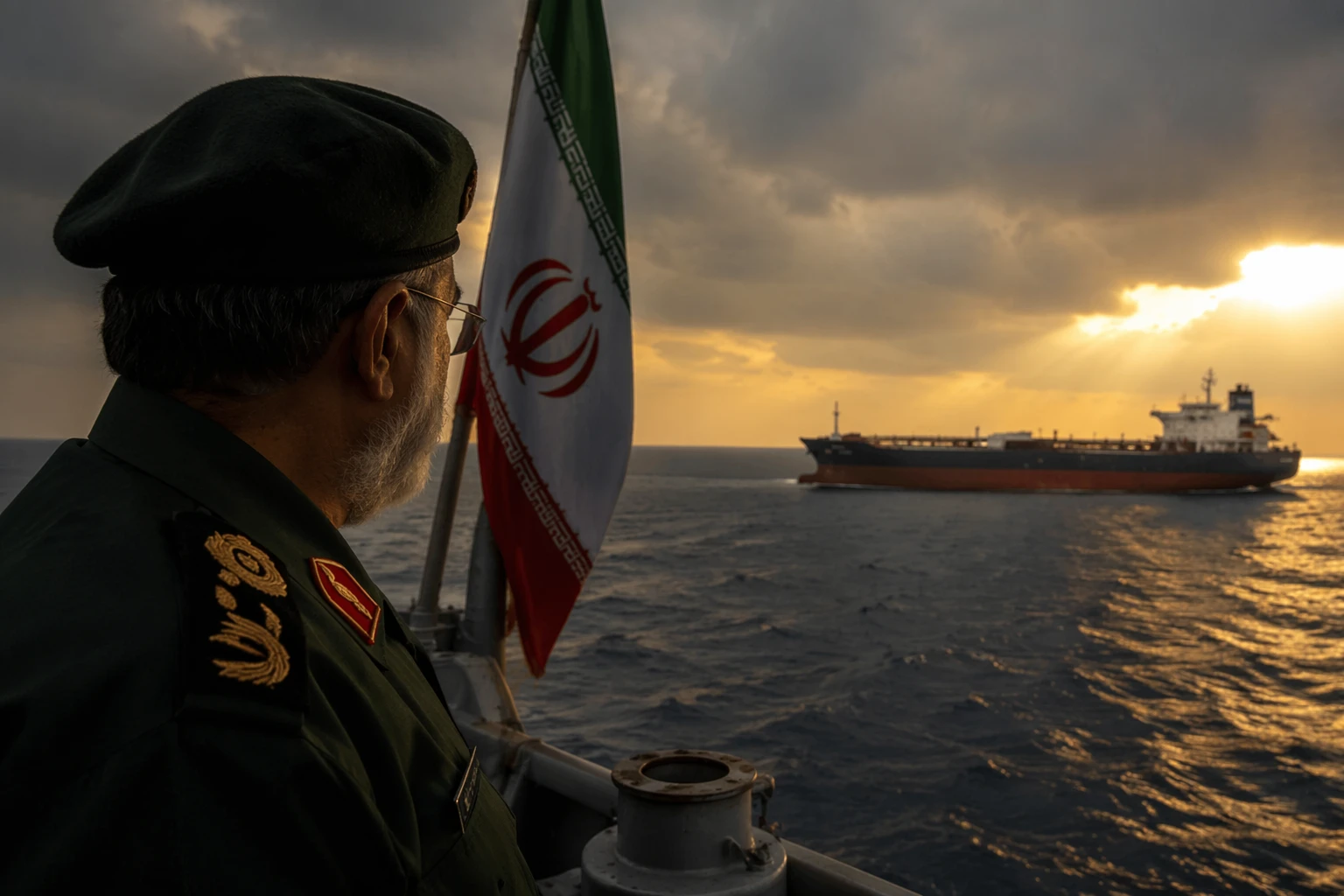
The military backdrop has intensified the pressure. Reuters said the U.S. and Iran exchanged strikes across the Middle East for a second day, NBC News reported that U.S. Central Command said it had finished attacking targets in Iran, and Al Jazeera reported Iranian strikes on Bahrain, Kuwait and ships in the Hormuz area after the latest U.S. attacks. The U.S. Department of State said on May 5, 2026, that Iran was trying to close the strait, laying sea mines and attempting to charge tolls on the waterway.
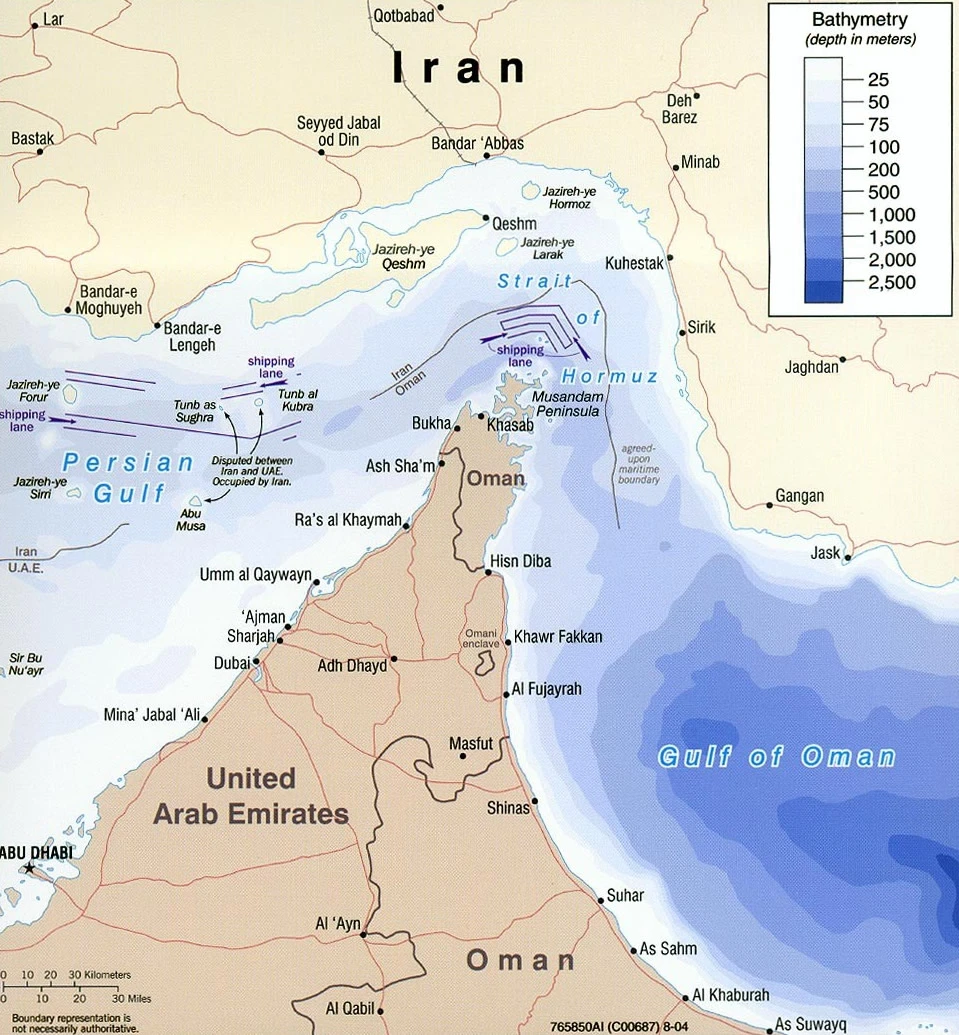
Washington now faces a narrow set of choices: deter attacks, protect shipping and push diplomatic pressure while trying to prevent a direct clash at sea. The U.S. Congressional Research Service has said a prolonged disruption of Middle East oil trade would create market conditions with no historical precedent, and the International Institute for Strategic Studies has warned that Iranian attempts to disrupt energy commerce have previously brought Tehran into direct conflict with the United States. Maersk has already said transit through the strait should be avoided for now, underscoring how quickly strategic risk can become a supply shock.
Sources
- [1]news.google.com
- [2]eia.gov
- [3]iea.org
- [4]bbc.co.uk
- [5]reutersconnect.com
- [6]maersk.com
- [7]state.gov
- [8]congress.gov
- [9]iiss.org
- [10]oilprice.com
- [11]msn.com