World
Oil prices jump after U.S.-Saudi strikes on Iranian proxies in Iraq
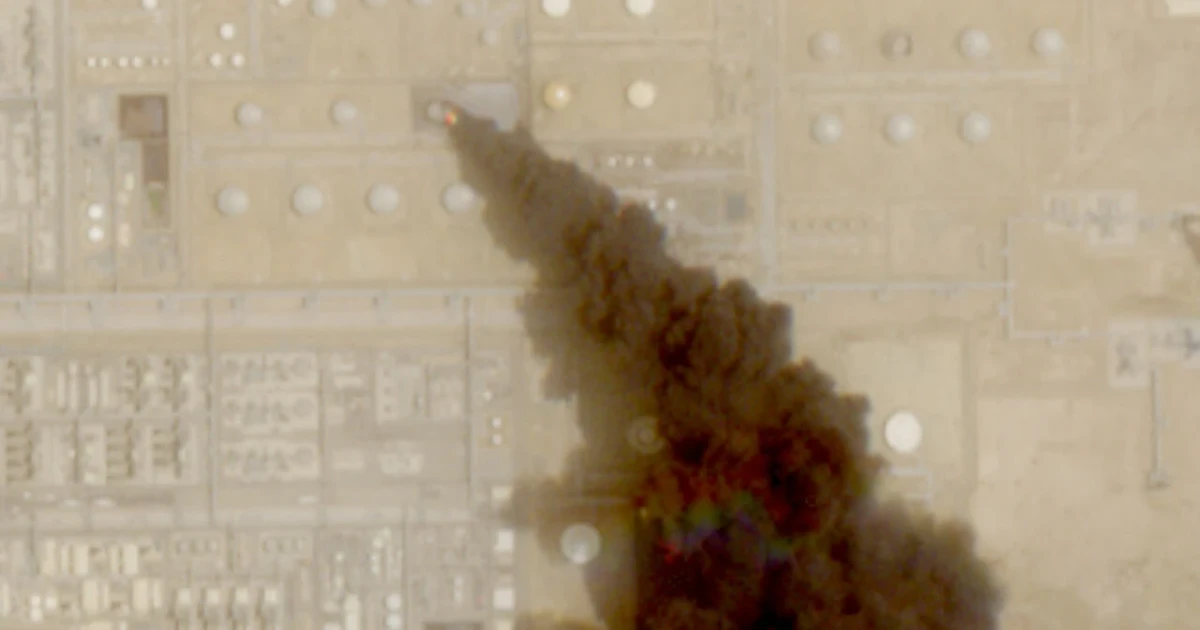
Global oil prices jumped Wednesday after the United States and Saudi Arabia said they carried out joint airstrikes on Iranian proxies in Iraq, a move that killed at least 10 people and rattled markets already on edge over Middle East escalation. Traders pushed crude higher on the fear that fighting could spread farther, threaten energy shipments through the Strait of Hormuz, and draw Washington into a longer military commitment.
U.S. Central Command said the strikes hit “Iran-backed terrorist sites” in Iraq in response to recent attacks on U.S. forces and Saudi oil facilities. Saudi Arabia had said a day earlier that it intercepted drones launched from Iraq toward oil facilities, while U.S. forces intercepted Iranian ballistic missiles fired toward American positions in the region. CNN said Saudi forces joined the U.S. military in the latest strikes, underscoring how quickly the conflict has widened beyond a bilateral exchange.
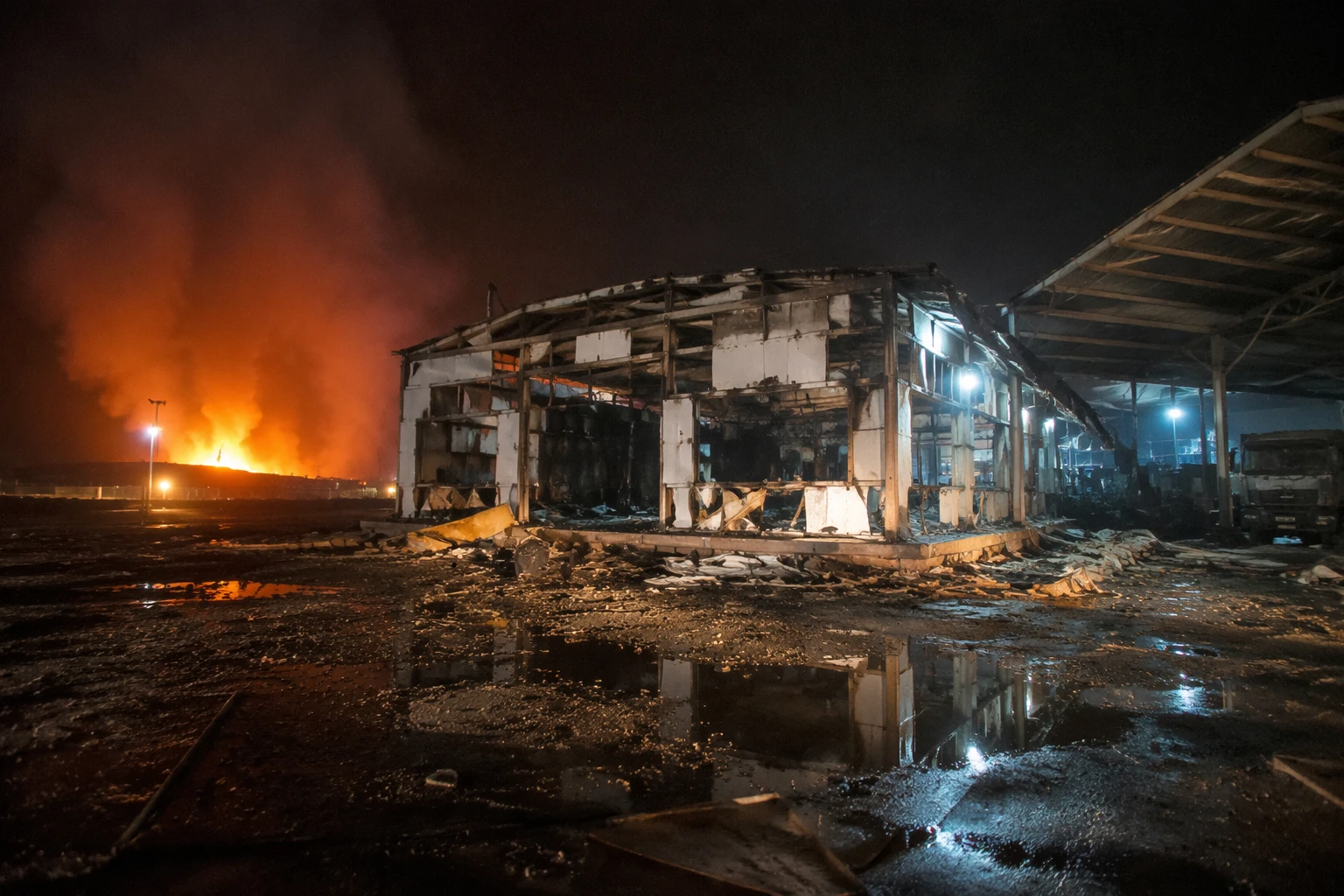
The immediate market reaction reflected how fragile the region has become. Oil had already climbed to a six-week high on July 23, 2026, as U.S.-Iran tensions worsened, then dropped more than 6% after the United States and Iran paused strikes over the weekend following two weeks of attacks. The new strikes reversed that calm and revived the risk premium tied to any threat to shipping lanes, refineries, and export terminals that feed global supply.
The escalation also widened the list of possible flashpoints. The Iranian military said it had targeted American military assets in Jordan, and Iraqi armed groups condemned the strikes as a “dangerous escalation.” Iraq has long hosted militias tied to Tehran, making its territory a recurring battleground whenever clashes between the United States and Iran spill outward.
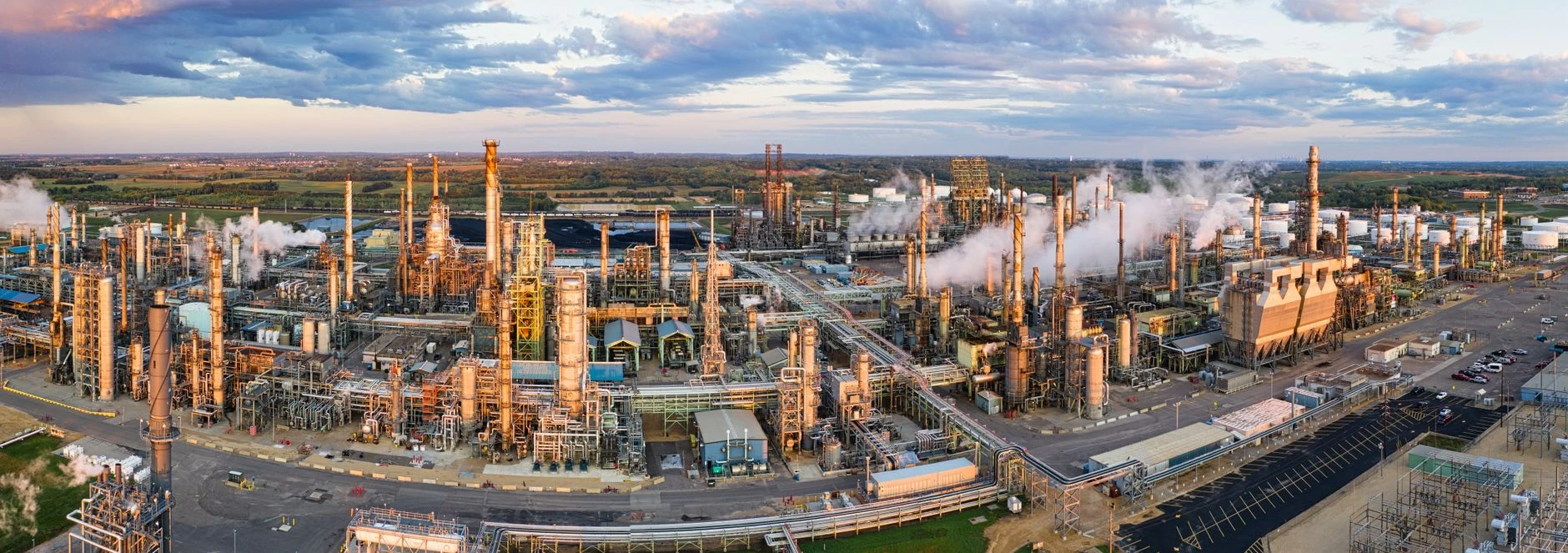
Market precedent showed why traders moved fast. Oil prices jumped after the United States killed Iranian commander Qasem Soleimani in January 2020, and they surged again after the September 2019 attack on Saudi Aramco’s Abqaiq and Khurais facilities, which produced the biggest intraday rise in crude prices since 1991. With Saudi oil infrastructure again in the crosshairs and U.S. forces already taking fire, the pressure now falls on Washington to decide how far it is willing to go before a regional war turns into a sustained American campaign.
Sources
- [1]nytimes.com
- [2]cbsnews.com
- [3]reuters.com
- [4]cnn.com
- [5]aljazeera.com