Business
Oil Prices Jump Amid Rising Iran-Israel Tensions
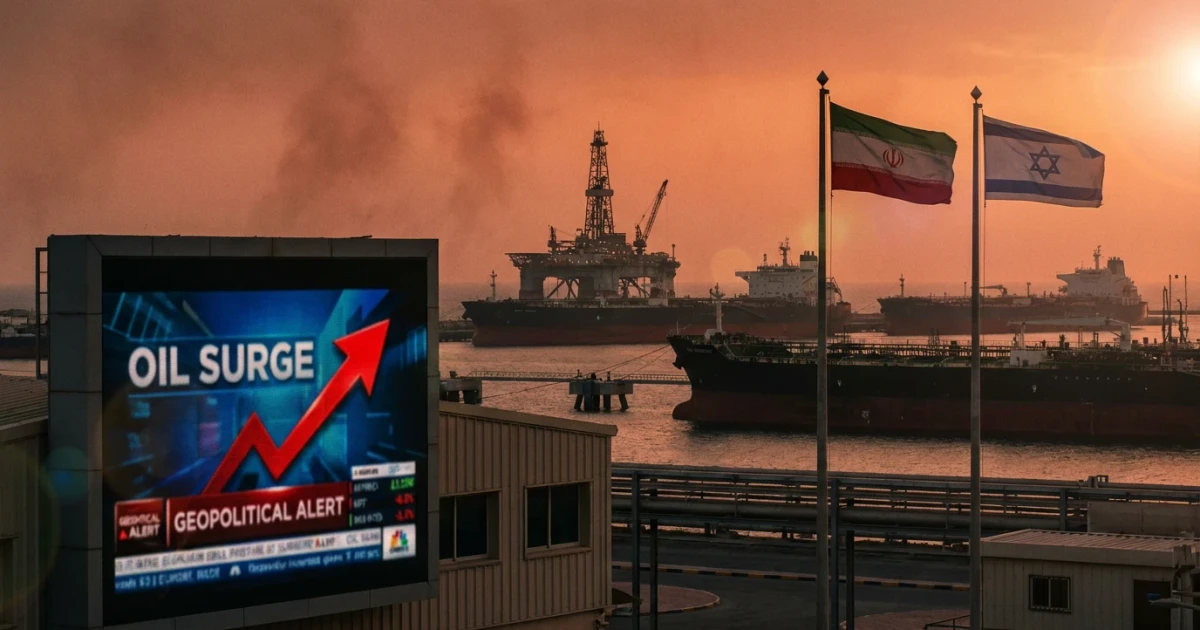
Global oil prices rose sharply this week as heightened tensions between Iran and Israel sparked investor fears about supply disruptions in a region central to world energy markets. The escalation, reported by The New York Times, comes at a time when financial markets are already grappling with uncertainty tied to the broader geopolitical landscape.
Market Reaction to Escalating Conflict
The New York Times reported that the latest hostilities between Iran and Israel have sent oil futures jumping, with West Texas Intermediate (WTI) crude and Brent benchmarks both posting significant gains. Market participants are especially sensitive to instability in the Middle East, an area responsible for a substantial share of global oil output. Concerns that conflict could disrupt key shipping routes or production facilities have added upward pressure to prices.
- WTI spot prices climbed to their highest levels since early 2024, according to U.S. Energy Information Administration data.
- Brent crude, the international benchmark, also saw a notable increase, reflecting widespread anxiety about future supply.
Historical Context and Broader Impact
This surge follows a pattern seen during previous flare-ups in the region, where the prospect of reduced supply or blocked transit routes has driven short-term price spikes. Analysts point out that while the oil market has experienced volatility before due to Middle East crises, the current situation is layered atop existing geopolitical and economic fragility.
According to the OPEC Monthly Oil Market Report, Iran is one of the world’s leading oil producers, and any threat to its output—or to shipping through the Strait of Hormuz—has outsized implications for global supply. While no direct attacks on infrastructure have been confirmed, the risk premium priced into futures reflects these longstanding vulnerabilities.
Financial Markets and Global Economy
The surge in oil prices has rippled through broader financial markets. The New York Times noted that major stock indexes fell as investors shifted capital away from riskier assets. In particular, technology stocks—previously at the heart of an AI-driven market boom—saw notable declines as energy prices fed inflation fears and clouded profit outlooks. This pattern mirrors past episodes where energy market shocks contributed to broader economic slowdowns.
- The CME Group's WTI futures reflected increased trading volume and volatility as market participants reassessed their positions.
- International benchmarks tracked by the International Energy Agency showed a comparable upward trend.
Looking Ahead: Risks and Uncertainties
With the situation between Iran and Israel still evolving, energy analysts remain cautious. As detailed in the Council on Foreign Relations’ backgrounder, the region’s so-called "shadow war" has periodically threatened direct disruptions to oil flows. While some market observers hope for a diplomatic de-escalation, others warn that even the perception of risk can keep prices elevated and impact global economic growth.
For now, the world’s energy markets—and the wider economy—remain on alert as traders, policymakers, and businesses await further developments in this volatile region.