Business
Oil prices jump as US-Iran airstrikes rattle world markets
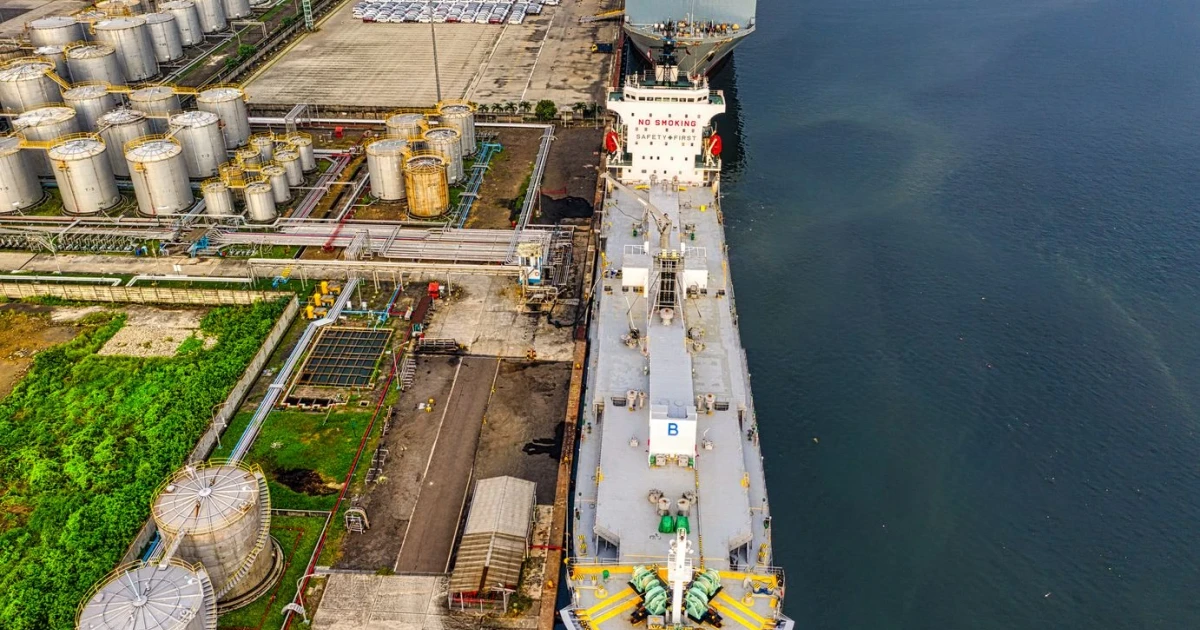
Oil prices surged and U.S. stock futures slipped as American airstrikes and Iran’s retaliation raised the risk of a broader fight around the Strait of Hormuz, the choke point that carries much of the world’s crude and gas. Brent crude climbed nearly 5% early Monday before easing to about $78.96 to $79.59 a barrel, while U.S. benchmark crude rose about 4% to roughly $74.26 to $74.85.
The move immediately sharpened the pocketbook threat for U.S. consumers. Higher crude prices can feed into gasoline, diesel and freight costs, especially if tankers face delays or shipping insurers widen premiums for vessels crossing the Gulf. With traders focused on whether the fighting spreads across one of the world’s most important energy routes, the market is pricing not just oil, but the risk of a supply shock that could ripple through inflation and transportation.
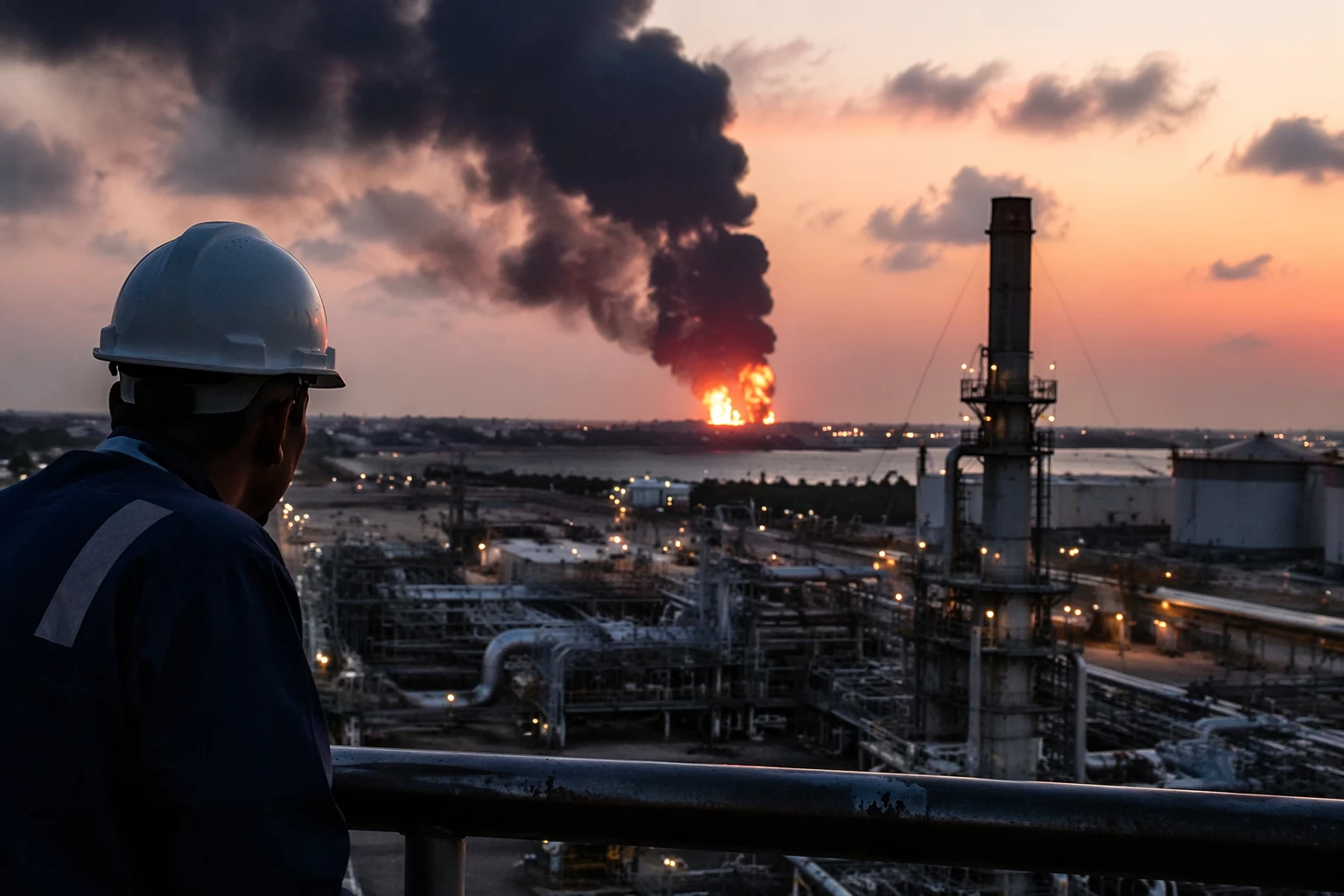
World shares were mixed. In early European trading, Germany’s DAX added 0.2% to 25,105.55, the CAC 40 in Paris edged 0.1% higher to 8,347.26, and London’s FTSE 100 rose 0.1% to 10,506.86. U.S. stock futures were weaker, with the S&P 500 contract down 0.3%, the Dow nearly unchanged and the Nasdaq future off 0.9%. Asian shares were mostly lower after the strikes, reflecting concern that the conflict could reach beyond energy markets.
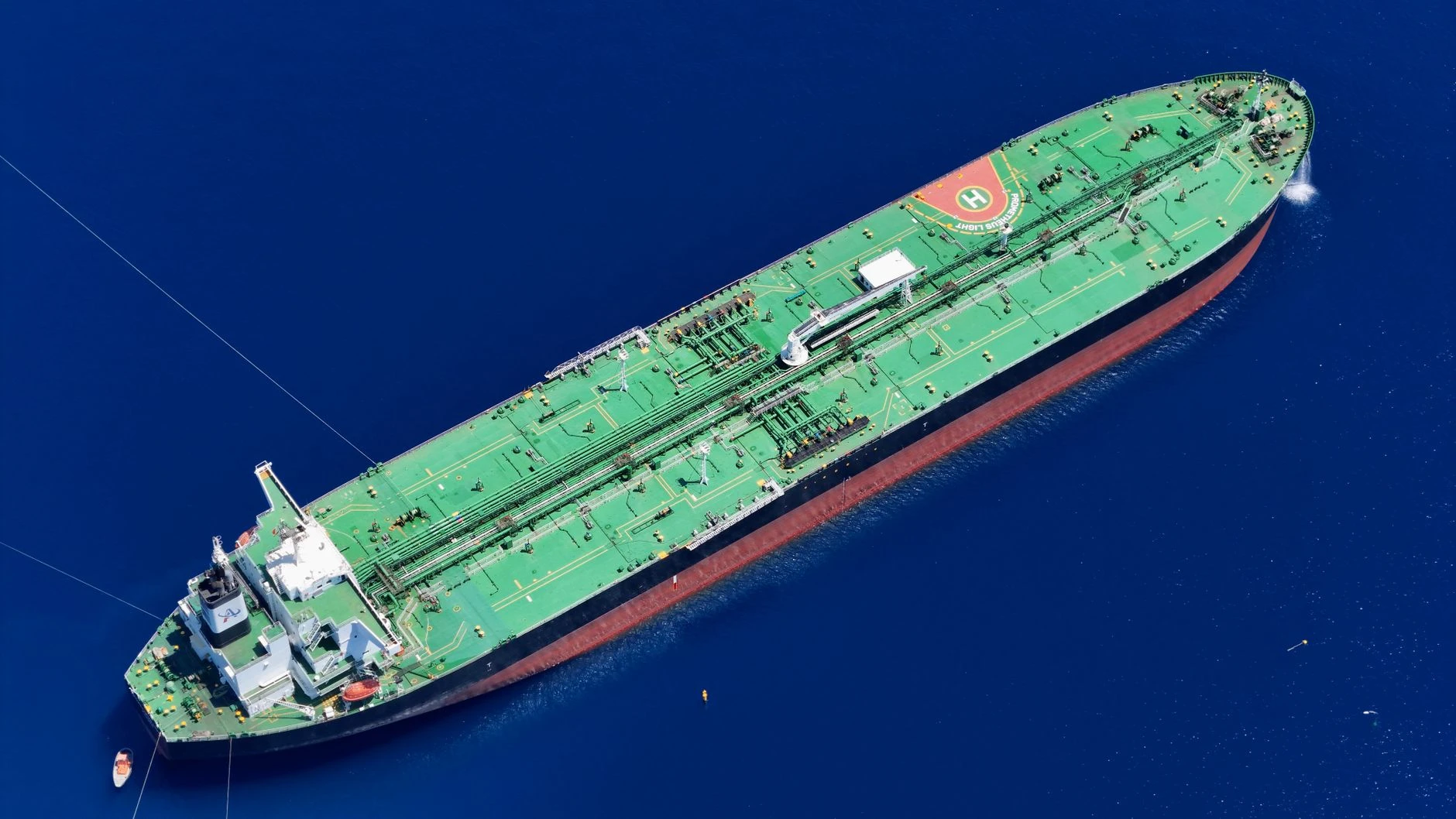
The tension centered on the Strait of Hormuz, where recent attacks have left the United States and Iran each asserting control over the waterway. Missile alert sirens sounded in Bahrain, home to the U.S. Navy’s 5th Fleet, as the confrontation widened across the Middle East. The International Energy Agency has described the disruption as one of the largest supply shocks in history, saying flows through the strait have fallen from around 20 million barrels per day and that cumulative Middle East oil supply losses now exceed 1.3 billion barrels.
The price spike also complicated OPEC+ planning. The group recently agreed to raise output targets by 188,000 barrels per day from August, but that increase has been partly offset by the Hormuz disruption. For investors, the immediate question is whether the strikes stay contained or interfere with regional exports long enough to keep fuel prices and shipping costs elevated.
Sources
- [1]news.google.com
- [2]usnews.com
- [3]boston25news.com
- [4]iea.org
- [5]apnews.com
- [6]cnbc.com