World
Oil prices jump as U.S.-Iran clashes fuel conflict fears
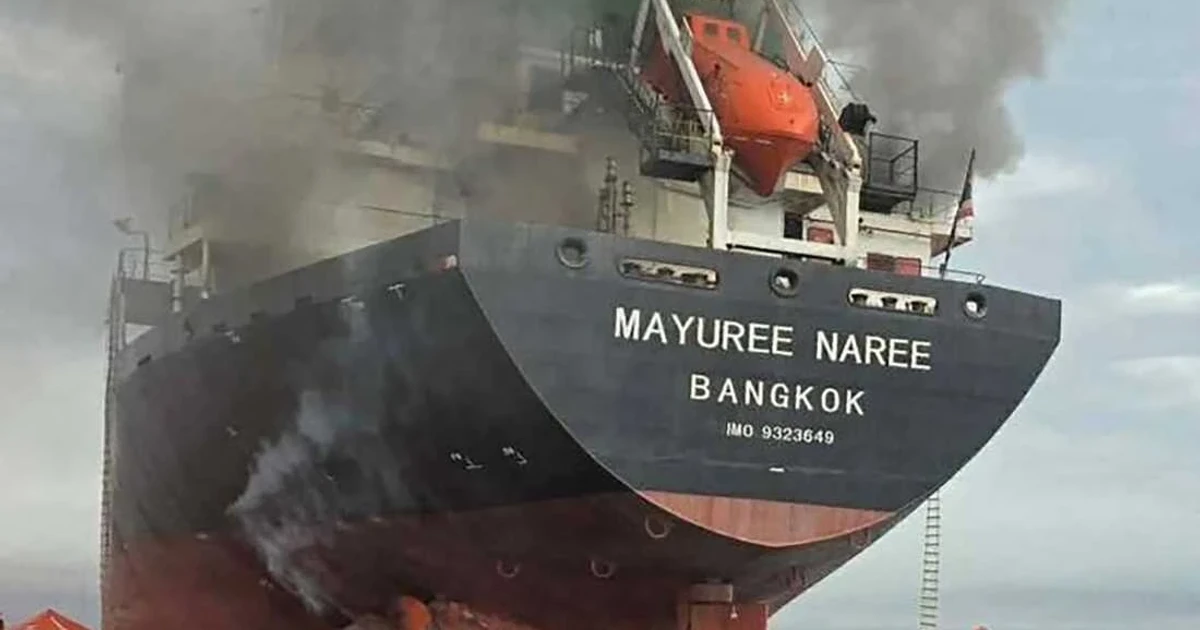
A fresh jump in oil prices threatened to show up first at the gas pump, then in airfare quotes and freight bills, as the United States and Iran exchanged fire for a second straight day. July U.S. crude rose 2.89% to $92.63 a barrel and August Brent climbed 2.47% to $95.40, after both contracts had jumped more than $3 earlier in the session.
The market’s alarm centered on the Strait of Hormuz, where Iran’s top joint military command said the waterway was closed to oil tankers and commercial ships and warned that any vessel trying to pass would be shot at. The chokepoint is one of the most important in the world: the Energy Information Administration says flows through the strait account for about one-fifth of global oil and petroleum product consumption, while the International Energy Agency says nearly 15 million barrels of crude a day passed through in 2025. Even a short disruption can raise shipping costs and rattle global energy supplies.
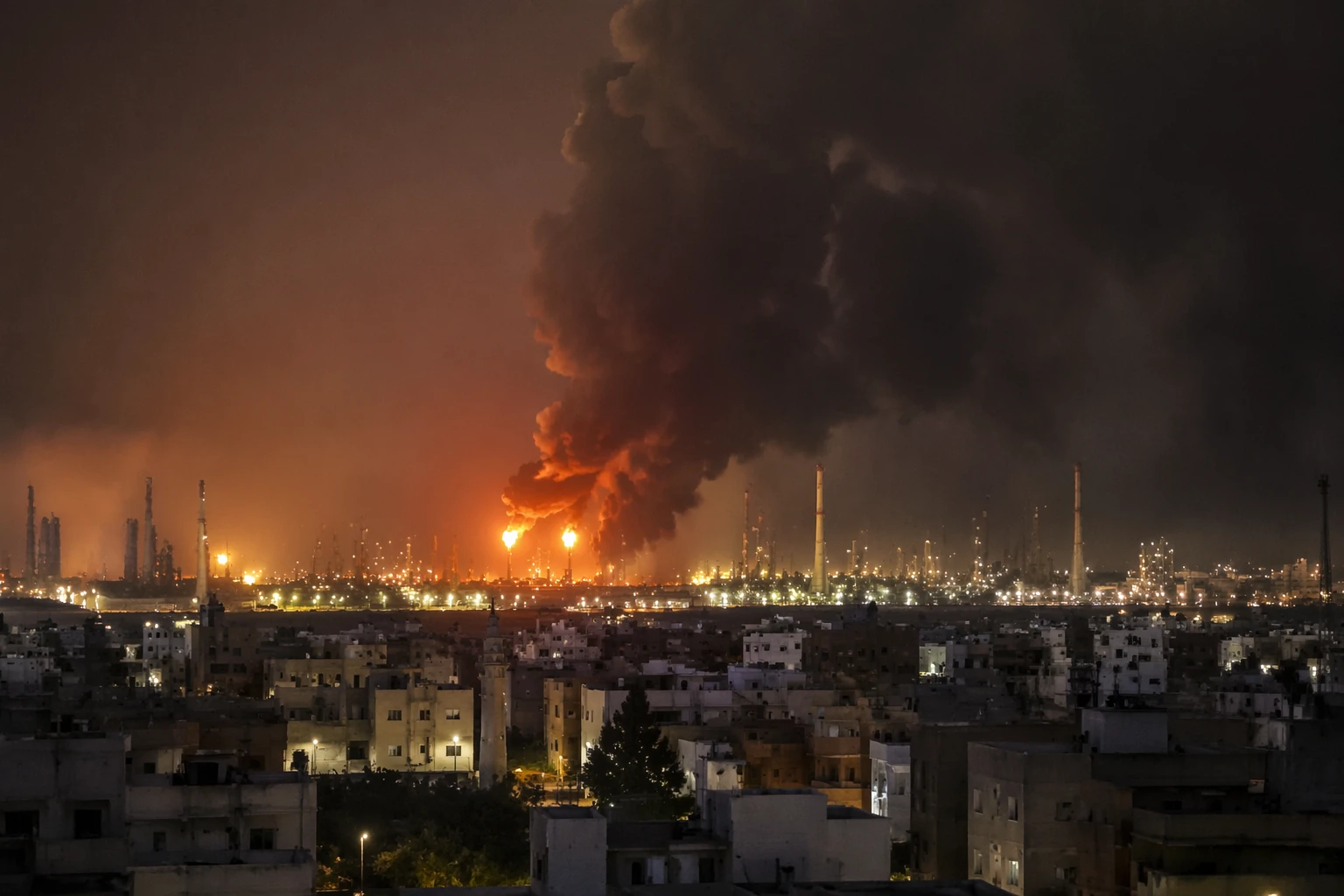
The latest round of strikes followed U.S. military action launched at 5:15 p.m. EDT on June 10 against multiple targets in Iran, including surveillance capabilities, communication systems and air defense sites, according to the military. President Donald Trump said the bombing would stop shortly, but he would resume heavy strikes if Iran’s leaders did not sign a deal. The escalation spread beyond oil markets, with Kuwait closing its airspace and Bahraini defenses intercepting Iranian aerial threats, underscoring how quickly a fight around Gulf shipping lanes can spill into aviation and trade.
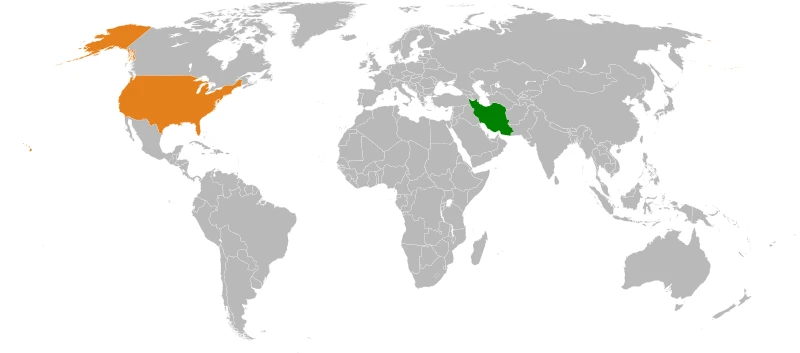
For American households, the danger is not abstract. The Energy Information Administration says transportation depends heavily on petroleum products such as gasoline and diesel, and that disruptions at chokepoints like Hormuz can delay supply and push up shipping costs. Higher crude prices also feed into jet fuel and diesel, which can lift airline fares, delivery costs and, eventually, the price of goods on store shelves. If the fighting keeps the strait in the crosshairs, the economic pain could reach far beyond the Middle East.
Sources
- [1]nytimes.com