Business
Oil prices rebound more than $2 on tighter U.S. supply fears
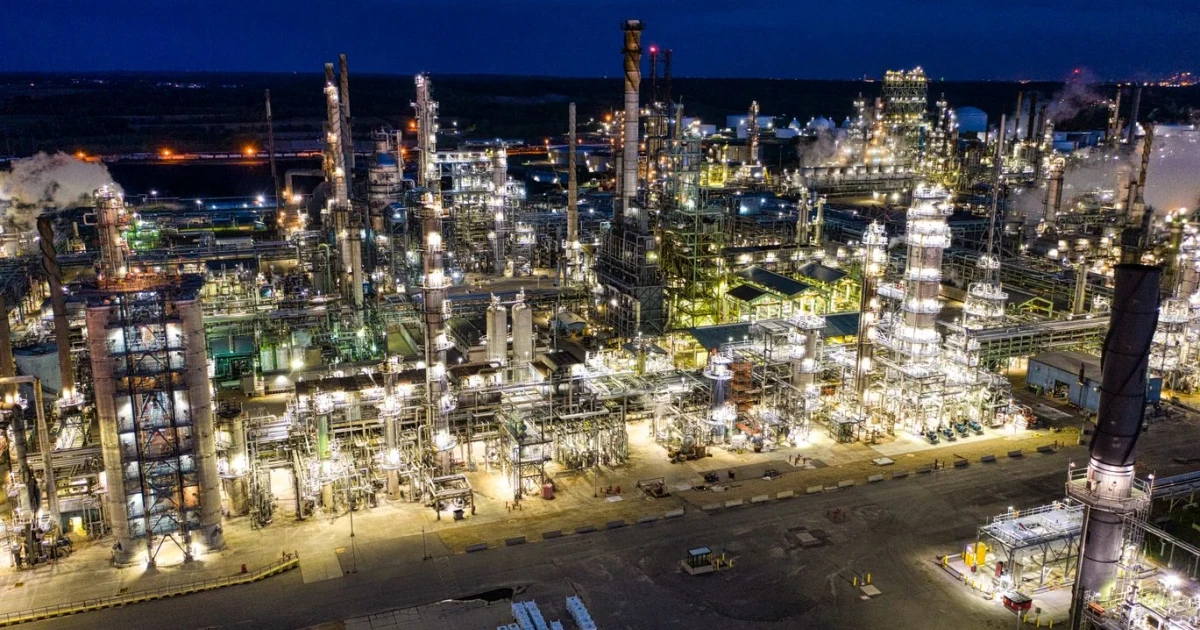
Crude prices jumped more than $2 a barrel in early trade on July 29 as traders bet shrinking U.S. inventories would tighten near-term supply. West Texas Intermediate settled at $69.21 a barrel and Brent finished above $72, both at their highest levels since June.
The move mattered far beyond the oil pit. Higher crude can feed quickly into gasoline and diesel prices, then ripple into shipping, air cargo and the cost of moving goods across the economy. That makes the rebound relevant for household budgets at the pump and for inflation readings that central bankers watch closely.
The rally reflected a shift back toward supply fundamentals after several sessions dominated by geopolitics and demand nerves. Traders were focused on the possibility that U.S. crude stocks would show another decline, after market expectations on July 28 pointed to lower crude and gasoline inventories and a rise in distillate supplies. Even after the latest official data showed a build, the broader signal to traders was that prompt barrels may be getting less comfortable.

The U.S. Energy Information Administration said commercial crude inventories rose by 2.0 million barrels to 426.7 million barrels in the week ending July 17. Refinery crude inputs averaged 17.1 million barrels per day, and utilization stood at 96.1% of operable capacity, showing a system still running close to full pace. U.S. crude imports averaged 5.8 million barrels per day that week.
Geopolitical risk also kept a bid under prices. President Donald Trump reiterated the possibility of additional levies or secondary sanctions on Russia if Moscow did not reach a truce with Ukraine, adding another layer of supply uncertainty to a market already sensitive to disruptions. In July, oil had also swung sharply on U.S.-Iran tensions, including pauses in strikes that briefly eased fears over shipping routes through the Strait of Hormuz.
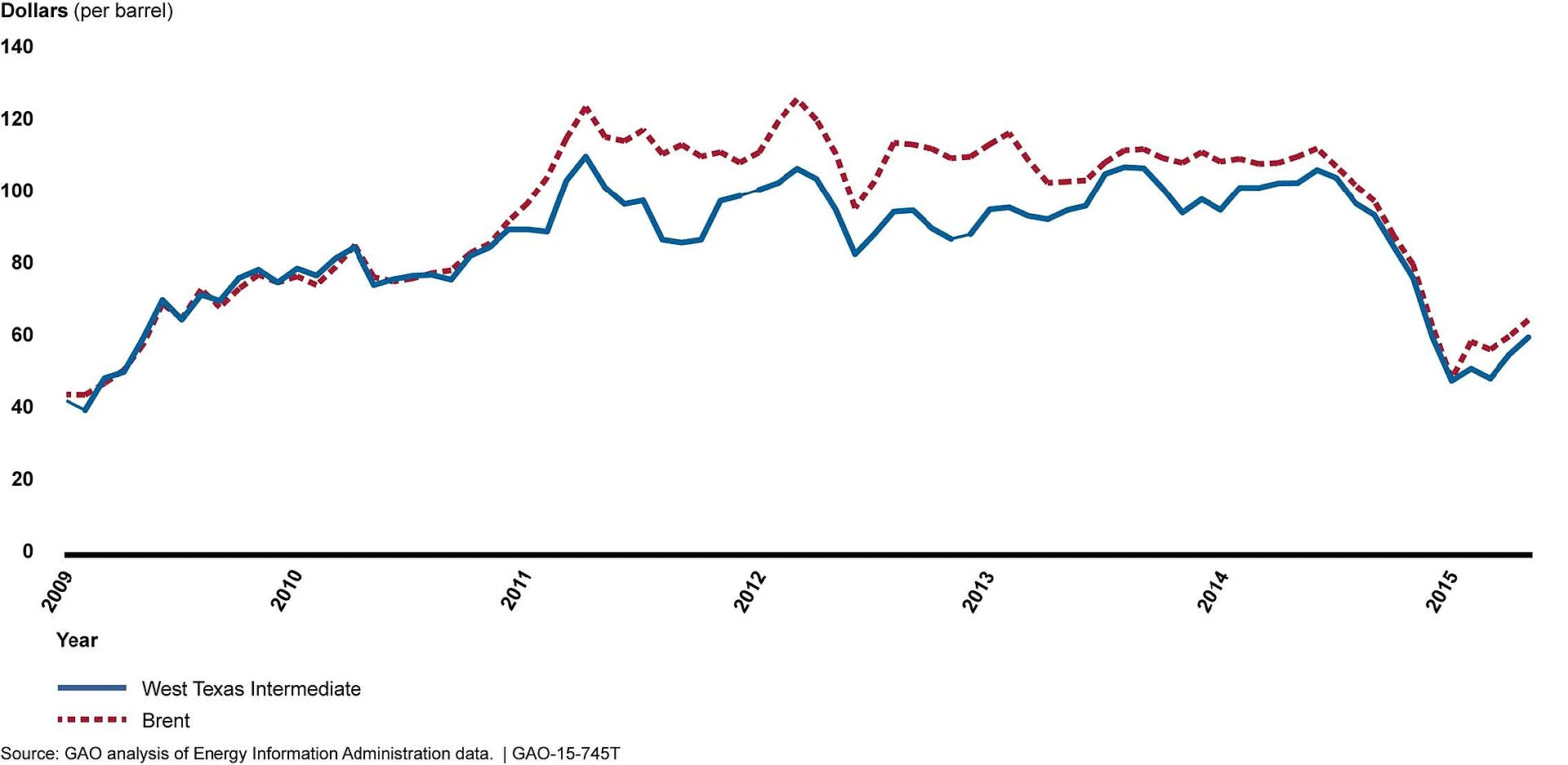
The price action fit a pattern seen before. Oil jumped more than $2 a barrel on July 29, 2022, when hopes faded for an OPEC+ supply boost, and it reached its highest level since May in July 2017 on tighter U.S. market conditions and Venezuela sanctions risk. Recent support from conflict-related shipping risks and Kazakhstan output cuts reinforced how quickly traders can push prices higher when supply expectations tighten.
For now, the rebound looked less like a smooth trend and more like a market reacting to every sign that available barrels were getting scarce. If the next inventory data confirms that drawdown, gasoline and freight costs could stay under pressure; if stockpiles rebuild or geopolitical tensions ease, the rally could unwind just as fast.
Sources
- [1]reuters.com
- [2]eia.gov