Business
Oil Prices Slide as US-Iran Ceasefire Reopens Hormuz
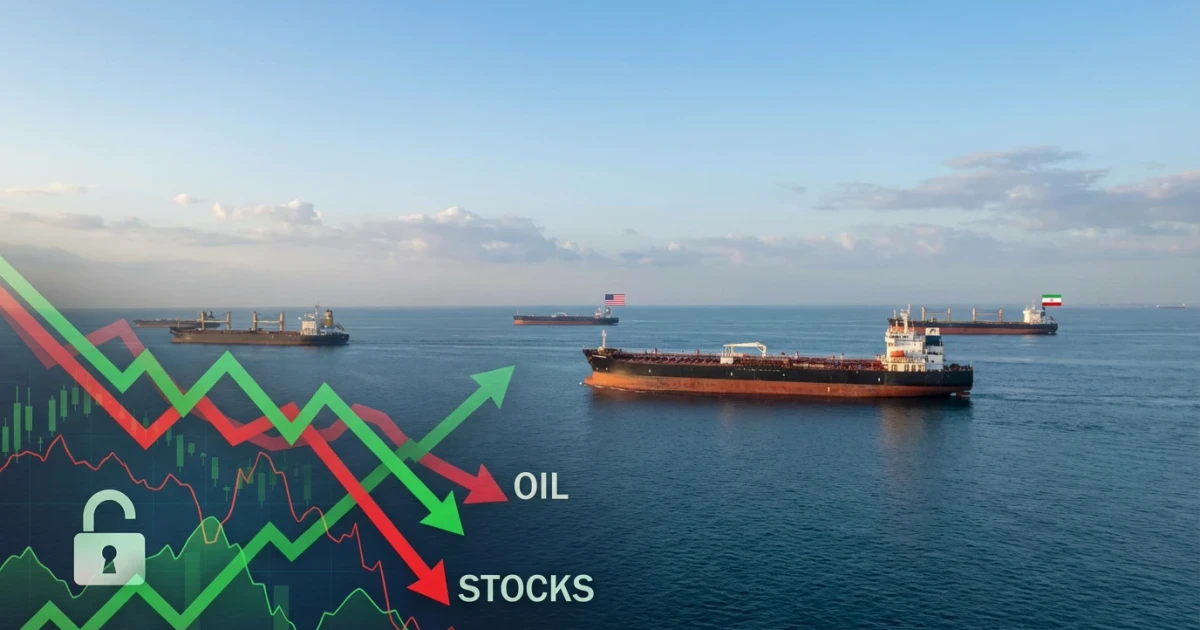
Global oil prices plunged following the announcement of a US-Iran ceasefire that will reopen the Strait of Hormuz, a critical waterway for global energy shipments. The agreement, which brought immediate relief to energy markets, also triggered a rally in major stock indices worldwide, according to reporting from the BBC and CNN.
Strait of Hormuz: A Vital Oil Chokepoint
The Strait of Hormuz is recognized as the world’s most important oil transit chokepoint. Roughly one-fifth of global oil consumption passes through this narrow passage linking the Persian Gulf with key international markets. Any disruption to its operations has immediate ramifications for energy prices and supply chains. The recent geopolitical tensions between the United States and Iran had led to a partial closure and significant supply concerns.
Ceasefire Sparks Relief in Energy and Equity Markets
The ceasefire agreement, as announced by former US President Donald Trump and reported by both BBC and CNN, sent shockwaves through the markets. Oil prices, which had spiked amid fears of a prolonged disruption, dropped sharply once news broke that shipping lanes would be reopened. This downward movement was reflected in both historical daily price charts and live futures markets.
- Global benchmark Brent crude and US WTI crude both fell by several percentage points within hours of the announcement
- Stock markets saw a strong relief rally as energy concerns eased and investors anticipated lower input costs for major industries
The market response highlighted the interconnectedness between geopolitical stability in the Gulf region and the global oil supply chain.
Background on US-Iran Tensions
The agreement follows months of heightened tensions in the Persian Gulf, with previous reports of military confrontations, shipping delays, and fears of escalation. The partial shutdown of the Strait of Hormuz had raised the specter of global supply shortages, with oil prices rising sharply in the weeks leading up to the deal. The ceasefire signals a significant de-escalation and a commitment to maintaining secure oil flows through the region, according to coverage by the BBC.
Economic Impact and Outlook
Energy analysts suggest that the rapid decline in oil prices could offer relief for consumers and industries worldwide, many of whom had been facing higher fuel costs. Lower oil prices often translate to decreased transportation and manufacturing expenses, boosting the broader economy. However, market watchers caution that the situation remains fluid, and any renewed tensions could rapidly reverse these gains.
For a deeper look at how oil market fundamentals are shaping up in the wake of the ceasefire, the IEA Oil Market Report and BP Statistical Review of World Energy provide comprehensive data and forecasts on supply, demand, and price trends.
What’s Next for Global Energy Security?
While the reopening of the Strait of Hormuz has calmed immediate fears, analysts and policymakers underscore the region’s ongoing volatility. The United Nations continues to monitor compliance with ceasefires and sanctions, as outlined in Security Council documents. Ensuring the free flow of oil through the Gulf will remain a top priority for both producer nations and consumer economies.
As markets adjust to the new reality, energy watchers are keeping a close eye on shipping activity, OPEC output levels, and the sustainability of the ceasefire. With geopolitical risks never far from the surface, the world’s reliance on the Strait of Hormuz is once again in the spotlight.