Business
Oil Prices Slide as US-Iran Peace Talks Show Progress
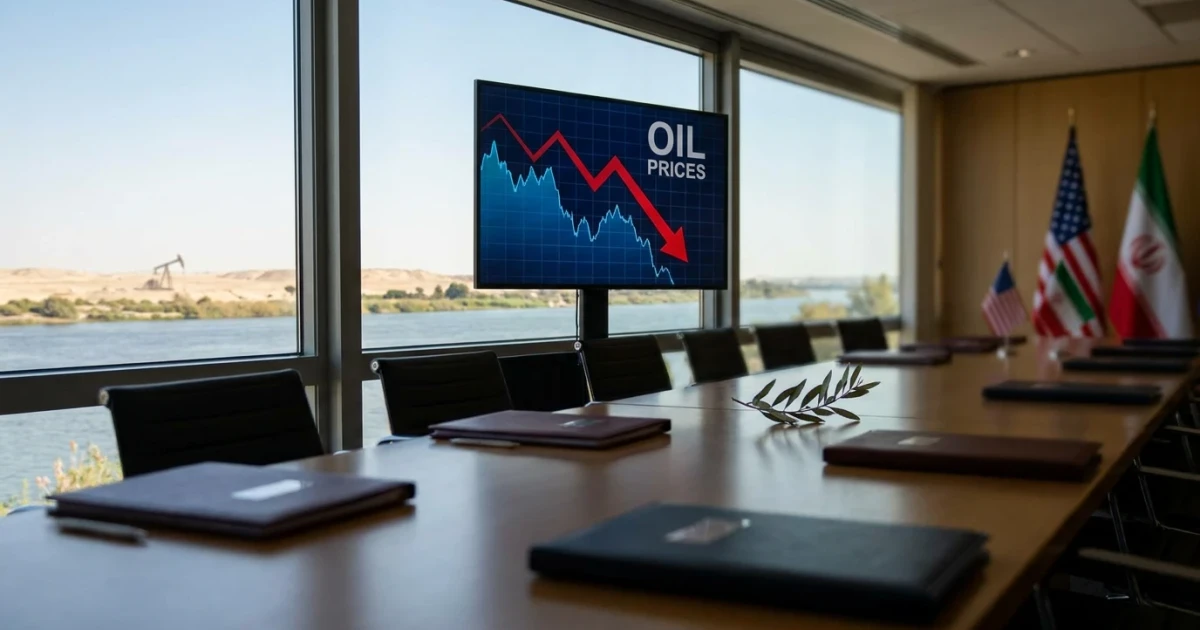
Oil prices fell sharply to a two-week low, reflecting growing optimism that the United States and Iran are edging closer to a peace agreement amid ongoing Middle East tensions. The market’s reaction underscores the influence of geopolitical developments in the region on global energy dynamics, with traders and analysts closely monitoring diplomatic signals from both Washington and Tehran.
Market Response to Diplomatic Progress
Global oil benchmarks, including West Texas Intermediate (WTI) and the OPEC Reference Basket, saw prices slip nearly 5% in recent trading, settling at their lowest levels in two weeks. The Guardian reported that the decline was triggered after former President Donald Trump noted that talks with Iran were “proceeding in a constructive manner,” fueling hopes of a breakthrough that could reduce the risk of further regional conflict.
- WTI spot prices dropped by more than $3 per barrel, reflecting immediate market reactions to the news.
- The OPEC Reference Basket also recorded a substantial decline, as seen in official OPEC data.
- Futures trading mirrored spot price movements, with contracts for upcoming months showing similar downward trends, according to CME Group data.
Geopolitical Context and Peace Negotiations
The Middle East crisis has been a persistent driver of volatility in oil markets. In recent weeks, renewed efforts from the United States and Iran to de-escalate tensions have brought a measure of stability to the region. The Guardian highlighted that the latest round of talks, described by US officials as “promising,” raised investor expectations that a deal could be reached to curb hostilities and potentially lift certain energy export restrictions.
The US Department of State provides a detailed timeline of ongoing diplomatic efforts with Iran, outlining both the challenges and opportunities in restoring formal relations. The prospect of easing sanctions or normalizing oil exports from Iran has significant implications for global supply and pricing.
Impact on Energy Markets and Regional Stability
According to historical analysis by the International Energy Agency, crude oil prices are highly sensitive to developments in the Middle East. Even the anticipation of a peace agreement can lead to rapid adjustments in market sentiment and price outlooks.
Brookings researchers have emphasized that the geopolitics of oil remain closely linked to diplomatic relations in the region. An easing of US-Iran tensions could increase Iranian crude exports, add to global supply, and exert further downward pressure on prices—benefiting energy consumers but challenging producers reliant on higher prices.
- The IMF’s regional outlook notes that stability in the Middle East is critical for global economic performance, especially for energy-importing nations.
- Oil market volatility can impact inflation, trade balances, and economic growth in both producer and consumer countries.
What’s Next for Oil and Diplomacy?
Traders and analysts are now closely watching for updates on the US-Iran negotiations, with many expecting further price corrections should diplomatic breakthroughs materialize. While a final peace deal remains uncertain, the recent market moves highlight the interconnectedness of diplomacy and global energy prices.
For now, the slide in oil prices offers a reprieve for consumers and importing economies, while underscoring the stakes of ongoing negotiations in the Middle East. Continued progress toward a peace agreement could bring further stability to both regional security and the world’s energy markets.