US News
Oil Prices Surge After U.S. Seizes Iranian Ship
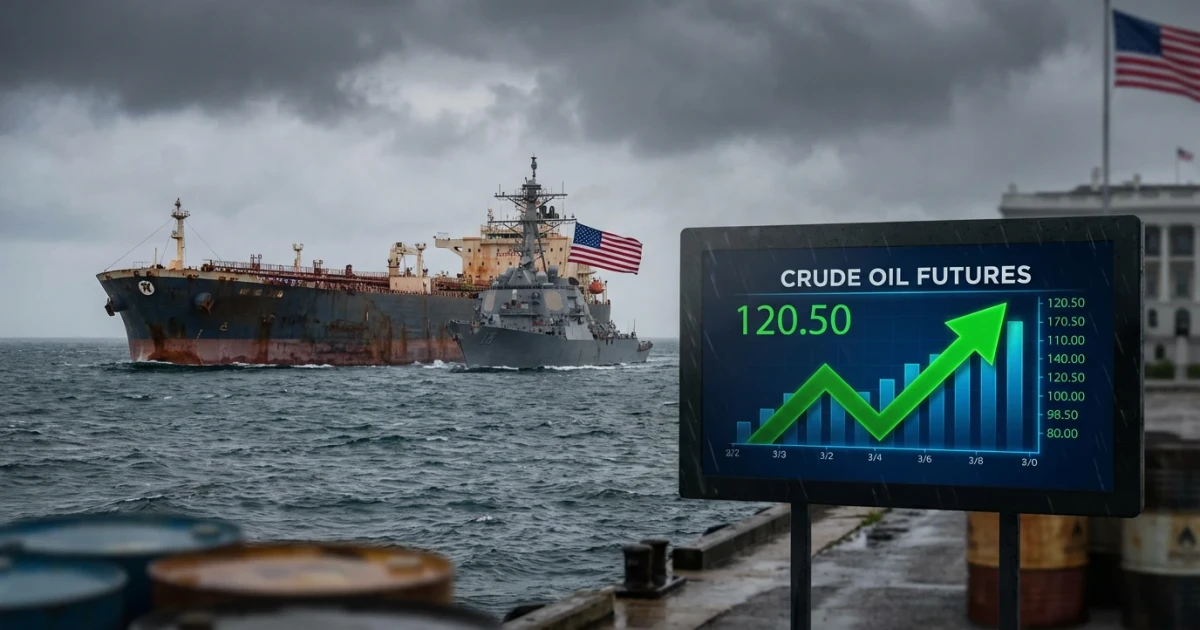
Global oil markets reacted sharply after former U.S. President Donald Trump announced that U.S. forces had seized an Iranian ship, escalating tensions between Washington and Tehran during an ongoing ceasefire in the region. The development drew condemnation from Iranian officials, who labeled the move as 'piracy' and vowed a response, according to reporting from multiple outlets including BBC and NBC News.
Oil Prices React to Escalating Tensions
Shortly after the announcement, oil prices experienced a significant jump, reflecting market fears of potential disruptions in crude supply. According to the U.S. Energy Information Administration, Brent crude futures climbed, with traders citing instability in the Gulf region as a key factor. The reaction underscores how sensitive energy markets remain to geopolitical developments, especially those involving major oil producers and critical shipping lanes.
Details of the Ship Seizure
The incident came to light after former President Trump publicly stated that the U.S. had seized an Iranian vessel. While details remain limited, the BBC noted that the Iranian government swiftly denounced the action, calling it an act of 'piracy.' NBC News added that the timing of the seizure, amid a fragile ceasefire, has added a new layer of uncertainty to already tense U.S.-Iran relations.
- The move marks the latest in a series of maritime confrontations in the region involving Iran and Western powers.
- The event follows a pattern of ship seizures and retaliatory actions, which have historically triggered market volatility and concerns over global oil supply.
Iran Denounces 'Piracy,' Vows Response
Tehran issued a strong condemnation, with Iranian officials accusing the U.S. of 'piracy' and vowing to respond. BBC reports that Iranian authorities have called for the immediate release of the vessel and warned that the incident would not go unanswered. The standoff adds to a longstanding history of maritime disputes in the region, as detailed in the Council on Foreign Relations' backgrounder on Iran’s military forces.
Market and Strategic Implications
The seizure's timing—during a ceasefire—raises the risk of renewed hostilities or retaliatory actions that could threaten commercial shipping and energy flows. According to the International Energy Agency's Oil Market Report, the Strait of Hormuz handles a significant portion of global oil shipments. Any disruption in this corridor can rapidly affect prices and supply chains worldwide.
Additionally, the U.S. has a long-standing sanctions program targeting Iranian oil exports and maritime operations. Official documentation on the U.S. Treasury's Iran sanctions program details ongoing restrictions and enforcement actions, which frequently include ship seizures and asset freezes.
Shipping Activity and Regional Security
Live data from MarineTraffic shows heightened monitoring of vessel movements in the Persian Gulf, with increased scrutiny of ships flagged as Iranian. Maritime analysts note that such incidents can lead to heightened insurance costs and rerouting, compounding the impact on global trade logistics as tracked by the UNCTAD's maritime transport statistics.
Looking Ahead
With both the United States and Iran adopting firm stances, experts caution that further escalation could see additional disruptions in energy markets and increased geopolitical risk. The international community is closely watching for Tehran’s next steps, as analysts debate the potential for diplomatic de-escalation versus retaliatory action.
The incident highlights the enduring volatility of the region’s security environment and its outsized influence on the world’s energy supply—a dynamic that remains at the forefront of global economic concerns.