Business
Oil Prices Surge Amid Persistent US-Iran Tensions
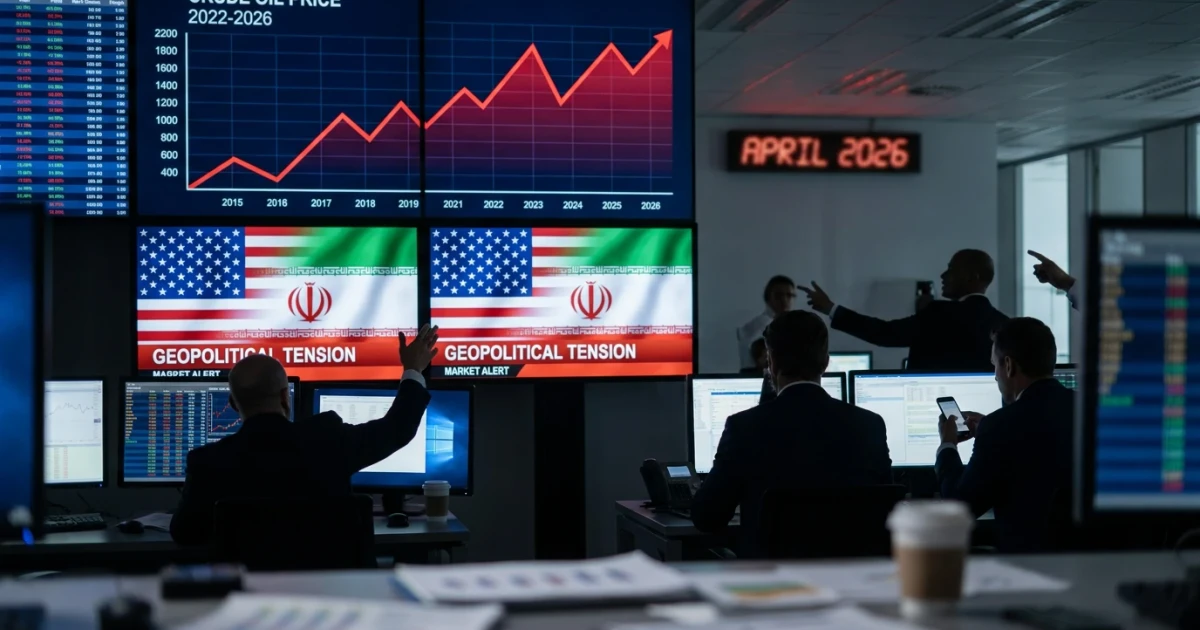
Crude oil prices have surged to their highest point since 2022, driven by escalating tensions between the United States and Iran and a lack of progress towards resolution. The latest spike reflects mounting anxieties across global energy markets, as geopolitical uncertainty and sanctions continue to weigh on supply and trading dynamics.
Market Reactions and Price Trends
According to The Guardian, oil benchmarks rose sharply in late April, with West Texas Intermediate (WTI) spot prices climbing to levels not seen since late 2022. This surge is echoed in broader global price trends, with both Brent and WTI contracts showing strong upward momentum. For context, recent data from the International Energy Agency confirms the sharp climb in crude prices over the past few months, driven in part by geopolitical factors and supply disruptions.
- WTI spot prices reached their highest since 2022, reflecting increased volatility.
- Brent crude similarly rallied, tracking the US market and broader global concerns.
- Trading volumes for WTI futures contracts spiked as investors sought to hedge risk.
US-Iran Standoff Fuels Uncertainty
The Guardian highlights that the standoff between the US and Iran remains unresolved, with diplomatic talks stalled and no clear pathway to easing tensions. Sanctions imposed by the US continue to restrict Iranian oil exports, limiting their ability to participate fully in global markets. The ongoing impasse has heightened concerns about potential supply disruptions and further escalations, which have been reflected in market sentiment.
For those seeking a deeper understanding, the Council on Foreign Relations provides a detailed backgrounder on the history and impact of US sanctions on Iran, including their effects on energy markets and regional stability.
Supply Chain and Production Impact
While Iran remains a significant oil producer, its exports are curtailed by international restrictions. This has ripple effects globally, with traders and analysts closely monitoring production data and potential shifts in OPEC policy. Data from the U.S. Energy Information Administration shows that Iran's production has remained relatively steady but its export volumes are suppressed, contributing to tighter supplies.
Global Implications and Future Outlook
The surge in oil prices has implications far beyond energy markets. Rising costs impact transportation, manufacturing, and consumer goods, with potential knock-on effects for inflation and economic growth. The Guardian notes that the lack of diplomatic progress and persistent market uncertainty may continue to fuel volatility in the months ahead.
- Energy-intensive industries face rising input costs.
- Consumers may see higher prices at the pump and for goods reliant on petroleum.
- Central banks and policymakers are watching closely for signs of inflationary pressure.
Sanctions and Regulatory Watch
The ongoing sanctions regime, tracked through the U.S. Treasury’s SDN List, remains a key factor in shaping global oil flows. Any shifts in policy or enforcement could rapidly alter the market landscape, making diplomatic developments central to future forecasts.
Analysis: What Comes Next?
With oil prices at multi-year highs and US-Iran tensions unresolved, experts warn of continued volatility. The Guardian reports that market participants are bracing for further price swings as geopolitical risks remain elevated. The interconnected nature of energy markets means that even minor developments in the standoff could have outsized effects on supply, pricing, and economic stability.
Looking ahead, the path towards resolution—and its impact on oil prices—will depend on diplomatic breakthroughs, changes in sanctions, and broader geopolitical shifts. For now, traders, businesses, and consumers will need to adapt to a landscape defined by uncertainty, elevated prices, and global stakes.