Business
Oil Prices Surge as Tensions Rise in Strait of Hormuz
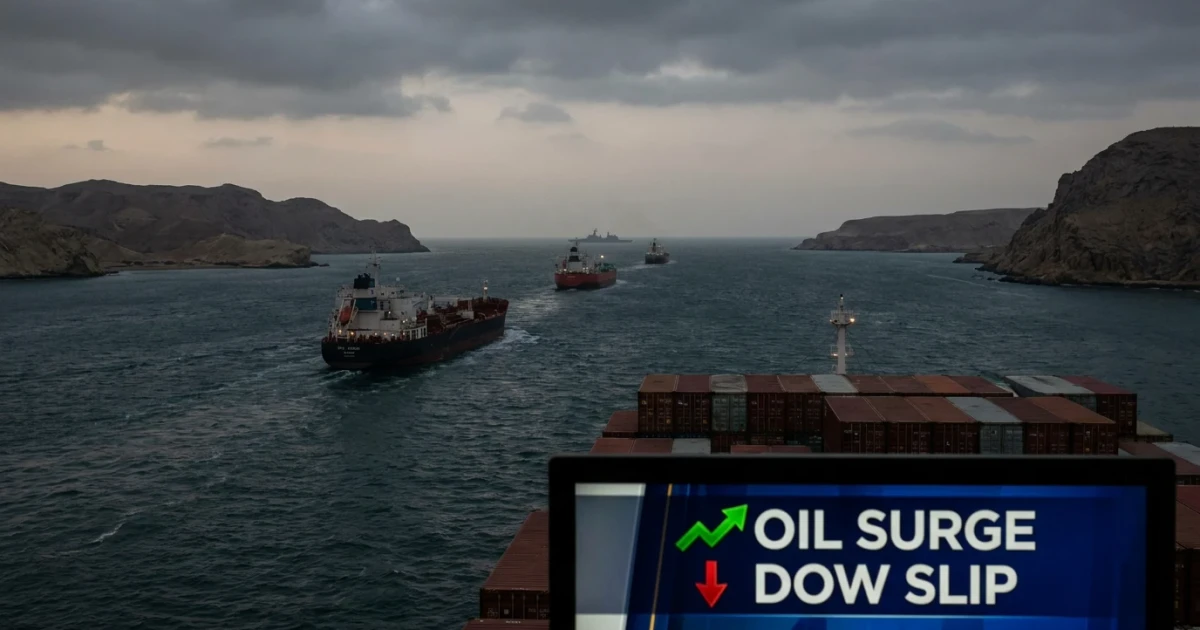
Oil prices surged and U.S. stock markets slid Monday as mounting tensions in the Strait of Hormuz sparked investor concerns over global energy supplies and broader economic impacts. The shift comes amid reports that Iran has tightened its control over the strategic waterway, amplifying fears of potential disruptions in oil shipments that pass through this vital corridor.
Oil Prices Climb on Supply Concerns
Crude oil posted significant gains, with Europe Brent spot prices and U.S. benchmark contracts both climbing sharply. According to data tracked by the U.S. Energy Information Administration, the Brent crude price rose as investors braced for possible interruptions in the flow of oil from the Middle East. The CME Group's oil futures reflected increased volatility and trading volume as market participants responded to the geopolitical risk.
- About one-fifth of the world’s oil supply transits through the Strait of Hormuz, making it the single most important oil transit chokepoint globally, according to U.S. government analysis.
- Oil prices often react sharply to any sign of instability in the region, given its impact on global supply chains and energy costs.
Tensions escalated after reports indicated that Iran increased its naval presence and imposed new restrictions on shipping, moves that raised the specter of shipping delays or even blockades. Reuters and The Wall Street Journal both noted the swift reaction in energy markets as risk premiums surged.
Dow Jones Slides Amid Investor Anxiety
While oil stocks saw some gains, the broader U.S. equity market declined. The Dow Jones Industrial Average dropped as traders worried that higher energy prices could slow economic growth and add to inflationary pressures. According to the Wall Street Journal's market data, energy and defense stocks fared better than technology and consumer names, which led the retreat.
- Investors often view oil price shocks as a headwind for business costs and consumer spending.
- Safe-haven assets such as gold and government bonds saw increased demand as market volatility ticked higher.
Why the Strait of Hormuz Matters
The Strait of Hormuz is a narrow passage connecting the Persian Gulf to global markets, bordered by Iran, Oman, and the United Arab Emirates. It has long been a geopolitical flashpoint due to its critical role in energy transportation. According to the U.S. Energy Information Administration, roughly 21 million barrels of oil per day—about one-fifth of global consumption—passes through the strait.
The region’s significance is underscored by frequent tensions involving Iran and neighboring states, as well as the presence of U.S. and allied naval forces tasked with keeping shipping lanes open. Any disruption, even temporary, can rattle energy markets and reverberate through the global economy. For readers seeking more background, Investopedia offers an explainer on the Strait of Hormuz and its strategic importance.
Market Outlook and Potential Risks
Analysts warn that prolonged instability in the Strait of Hormuz could push oil prices even higher, pressuring consumers and businesses worldwide. In previous episodes of tension, energy prices have spiked quickly, sometimes triggering broader market corrections. While diplomatic efforts continue, traders are closely monitoring developments for signs of escalation or de-escalation.
As the situation evolves, market participants are bracing for ongoing volatility and reassessing their exposure to energy-sensitive sectors. For now, the threat to oil flows through the strait remains a key risk factor for both commodity and equity markets.
Readers can explore real-time oil price changes, futures data, and official analysis on global oil chokepoints using the resources linked throughout this article.