World
Oil Prices Surge as Trump Urges Allies to Secure Strait of Hormuz
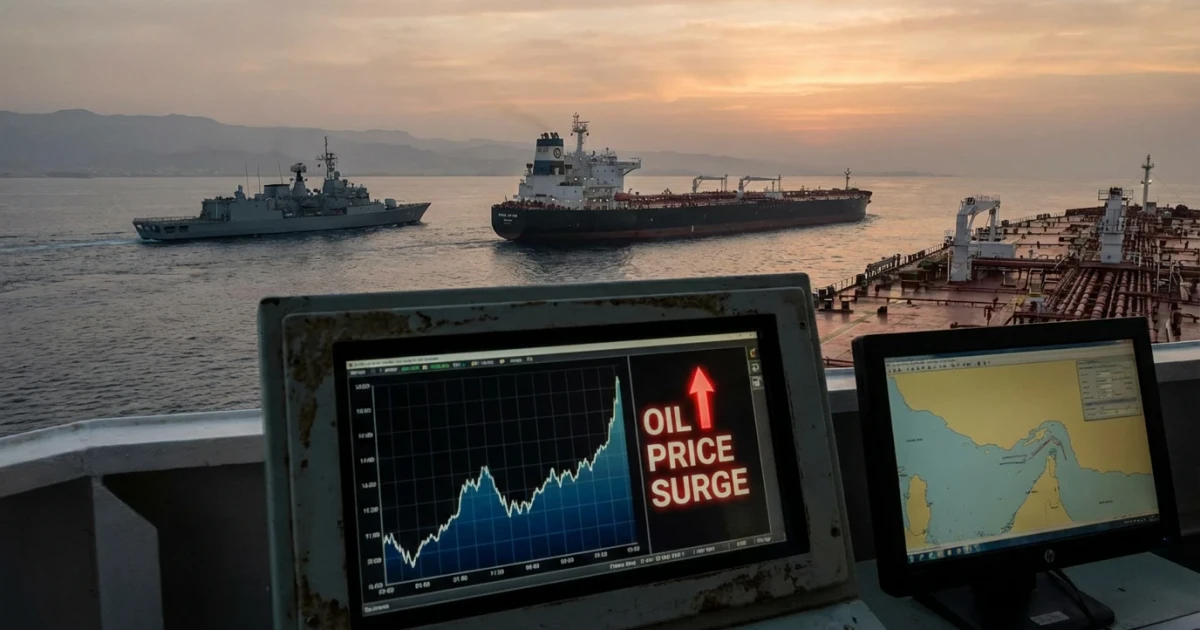
Global oil prices surged this week following former President Donald Trump’s public call for other countries to “take the lead” in safeguarding the Strait of Hormuz, a vital chokepoint for international energy trade. The announcement sparked immediate reactions across financial markets, with Brent crude futures climbing in response to concerns over the future of maritime security in the region.
Why the Strait of Hormuz Matters
The Strait of Hormuz serves as one of the world’s most important oil transit corridors, connecting the Persian Gulf with major global markets. According to International Energy Agency data, roughly 20% of global petroleum liquids pass through this narrow passage each day, making it a critical node for both exporters in the Middle East and consumers worldwide. Any disruption—real or perceived—can have significant ripple effects on seaborne oil trade flows and global prices.
Market Reaction to Trump’s Statement
Following Trump’s remarks, Brent crude spot prices saw a notable uptick, reflecting traders’ concerns about potential instability or reduced American naval presence in the strait. The Washington Post reported that the market reaction was swift, with prices jumping as investors weighed the implications of shifting security responsibilities to other nations.
- Brent crude prices climbed by several dollars per barrel in the hours following the announcement.
- The market remains sensitive to political signals affecting the free flow of energy through strategic bottlenecks.
Security and International Response
The United States has traditionally maintained a significant naval presence in the Strait of Hormuz, working with allies to ensure safe passage for commercial vessels. Trump’s call for others to “take the lead” raises questions about the future of these arrangements and the willingness of other nations to fill any potential gaps in security. The International Maritime Organization continues to emphasize the importance of coordinated efforts to protect such vital shipping lanes.
While some analysts suggest that regional powers could step up their maritime patrols, others warn that shifts in responsibility might increase risks for commercial shipping and insurance costs. The situation remains fluid, with governments and energy markets closely monitoring for further policy signals or security commitments from global stakeholders.
Broader Implications for Energy Markets
Energy analysts note that the Middle East’s outsized role in world oil supply amplifies the strategic importance of the Strait of Hormuz. Any uncertainty surrounding its security can lead to price volatility, affecting everything from gasoline prices at the pump to inflation rates worldwide.
Looking Ahead
As the international community digests Trump’s latest comments, attention is now focused on how U.S. allies and regional powers will respond. The future of energy security in the Strait of Hormuz remains a pivotal issue—one that underscores how geopolitical signals can rapidly translate into market movements and economic impacts across the globe.