Business
Oil prices surge as U.S.-Iran fighting raises conflict fears
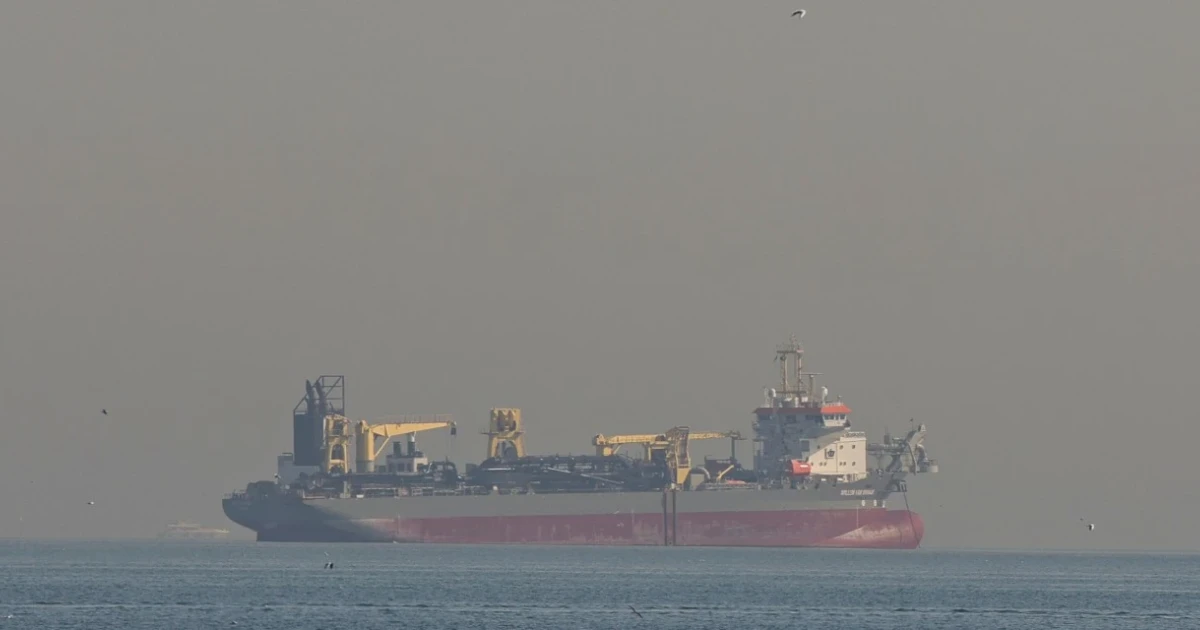
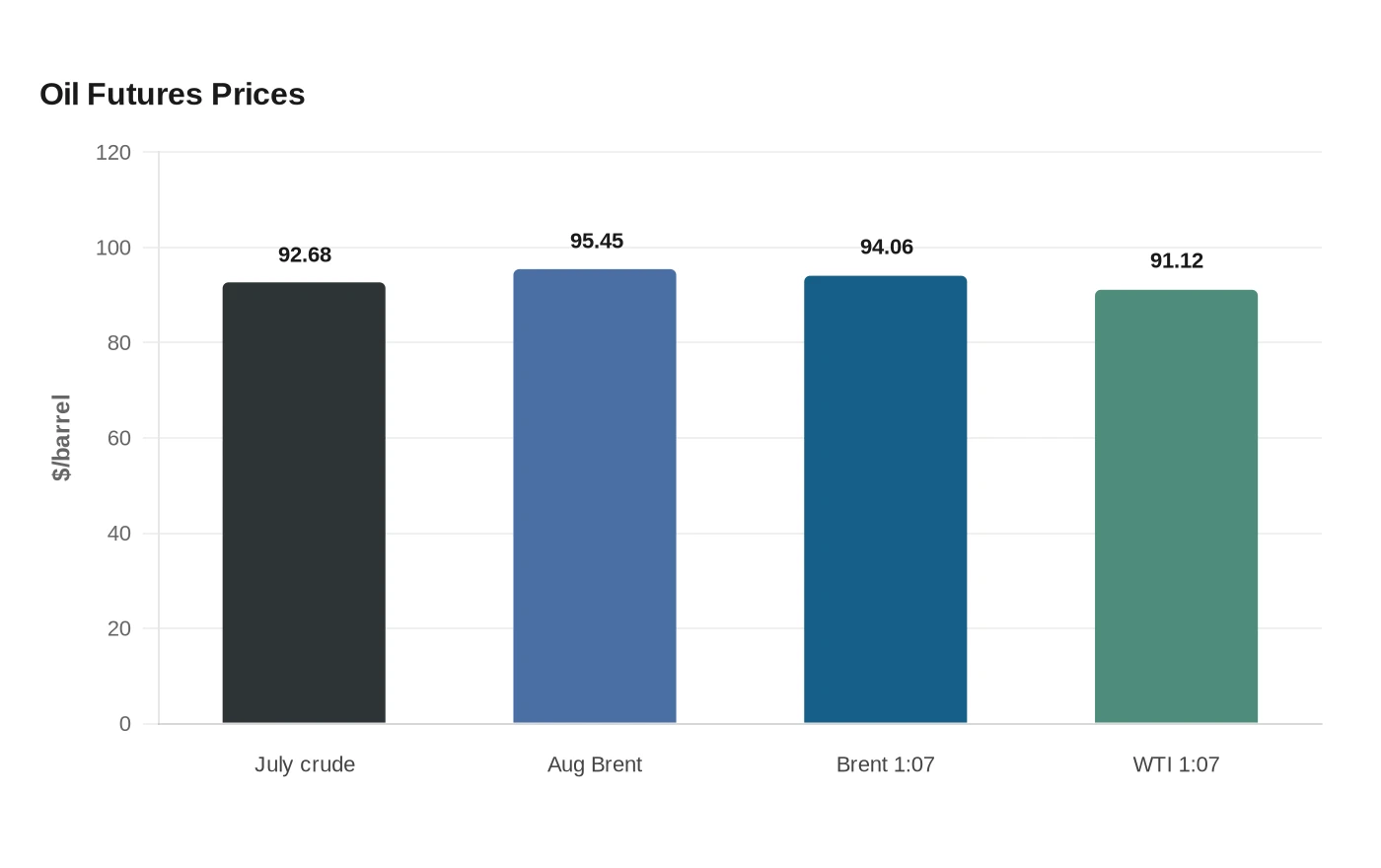
Oil prices climbed sharply as the United States and Iran exchanged fire for a second day, reviving a geopolitical risk premium that could quickly reach American drivers and businesses. July U.S. crude futures rose 2.94% to $92.68 a barrel, while August Brent gained 2.52% to $95.45, after fresh U.S. strikes and renewed Iranian retaliation raised the chance of disruptions in the Strait of Hormuz.
The latest escalation followed another round of U.S. military action on June 10, when U.S. Central Command said American forces began “launching additional self-defense strikes” at 5:15 p.m. ET against multiple targets in Iran. The AP said the strikes targeted “Iranian military surveillance capabilities, communication systems and air defense sites,” after President Donald Trump warned Tehran it would “pay the price” for stalled negotiations. Iranian state media said Tehran responded with missile and drone attacks against U.S. vessels operating in the Strait of Hormuz.
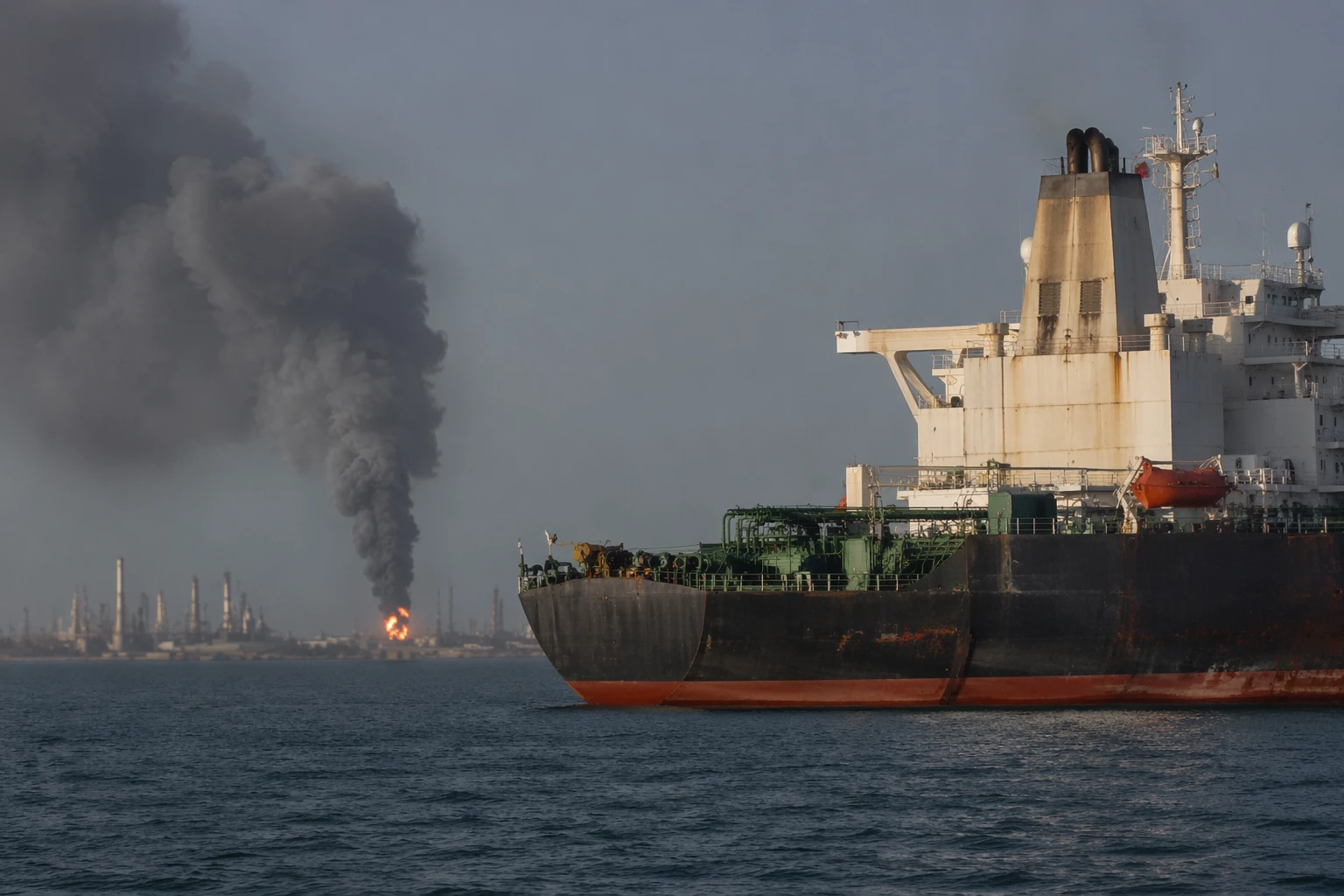
That waterway sits at the center of the market’s alarm. Reuters said the Strait of Hormuz was largely closed amid a shaky ceasefire, more than three months after initial U.S. and Israeli strikes on Iran, and that Iranian missile and drone attacks had already damaged Kuwait’s airport and forced Kuwait Airways to suspend operations. Bahrain said it intercepted three missiles and several drones, while earlier reports also described sirens in Bahrain, home to the U.S. Navy’s 5th Fleet. U.S. forces also downed Iranian drones targeting civilian ships and U.S. forces in Kuwait and carried out strikes on Qeshm Island near the strait.
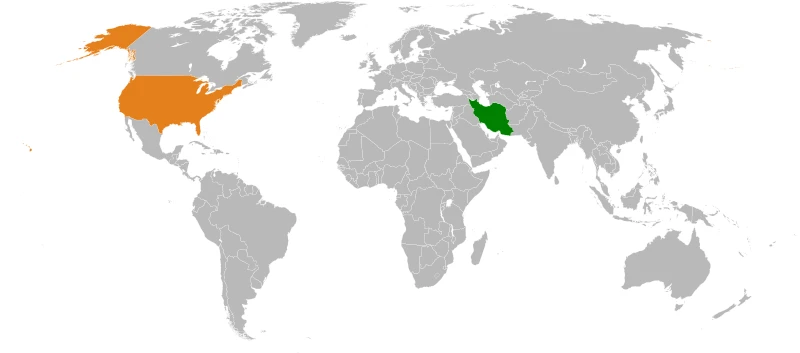
Traders had already pushed oil nearly $3 higher on Wednesday, June 10, after Trump said the United States would attack Iran “very hard” if no peace deal was finalized. At 1:07 p.m. EDT that day, Brent crude futures were up $2.63 to $94.06 a barrel and West Texas Intermediate rose $2.93 to $91.12. That came alongside a fresh round of Iran-related sanctions from the Treasury targeting six individuals and four entities, including some tied to China, and a U.S.-backed resolution from the U.N. nuclear watchdog’s 35-nation Board of Governors demanding that Iran declare its remaining enriched uranium stocks and allow inspectors to verify them.
Analysts said the market may be better able to absorb some disruption than in past crises because of record U.S. crude exports, softer Chinese demand and alternative export routes, according to Rystad Energy. Even so, the immediate question is whether this is a short-lived panic spike or the start of a deeper supply shock. If fighting keeps threatening shipping through Hormuz, higher crude could feed into gasoline, freight rates and broader inflation far beyond the Gulf.
Sources
- [1]nytimes.com
- [2]cnbc.com
- [3]al-monitor.com
- [4]yahoo.com
- [5]money.usnews.com
- [6]reuters.com