World
Oil producers seek safer routes as Hormuz mine threat lingers
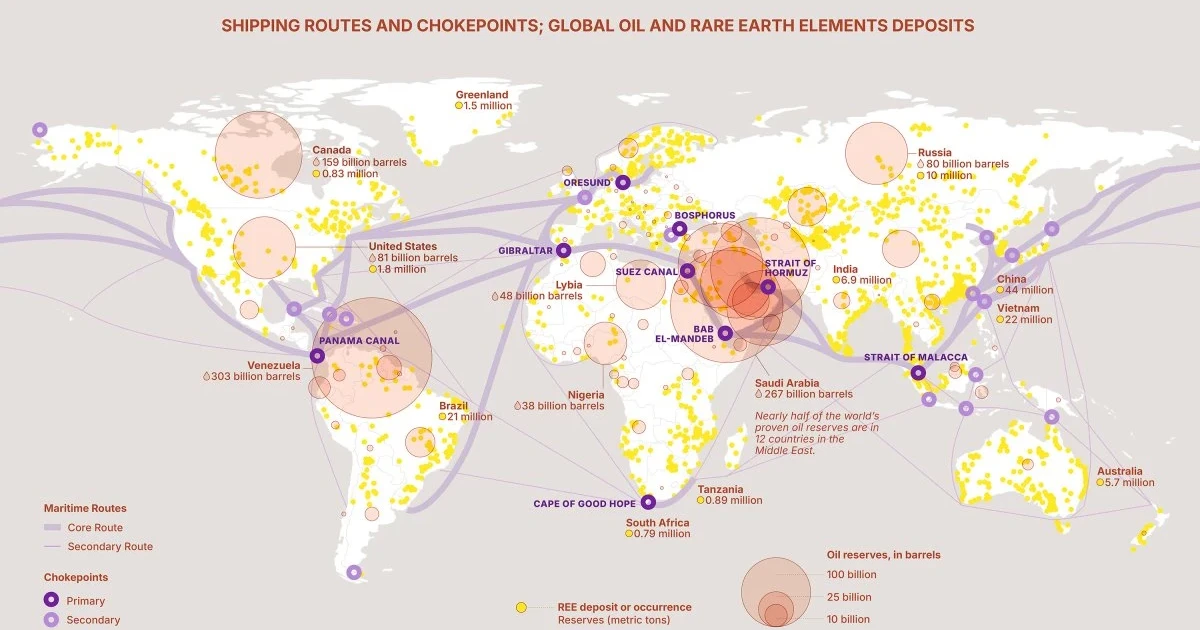
More oil is moving out of the Persian Gulf, but the rebound still rests on fragile ground. Mine-clearing in the Strait of Hormuz could take 40 to 50 days, and even then insurers, shippers and oil companies may wait longer before treating the route as safe.
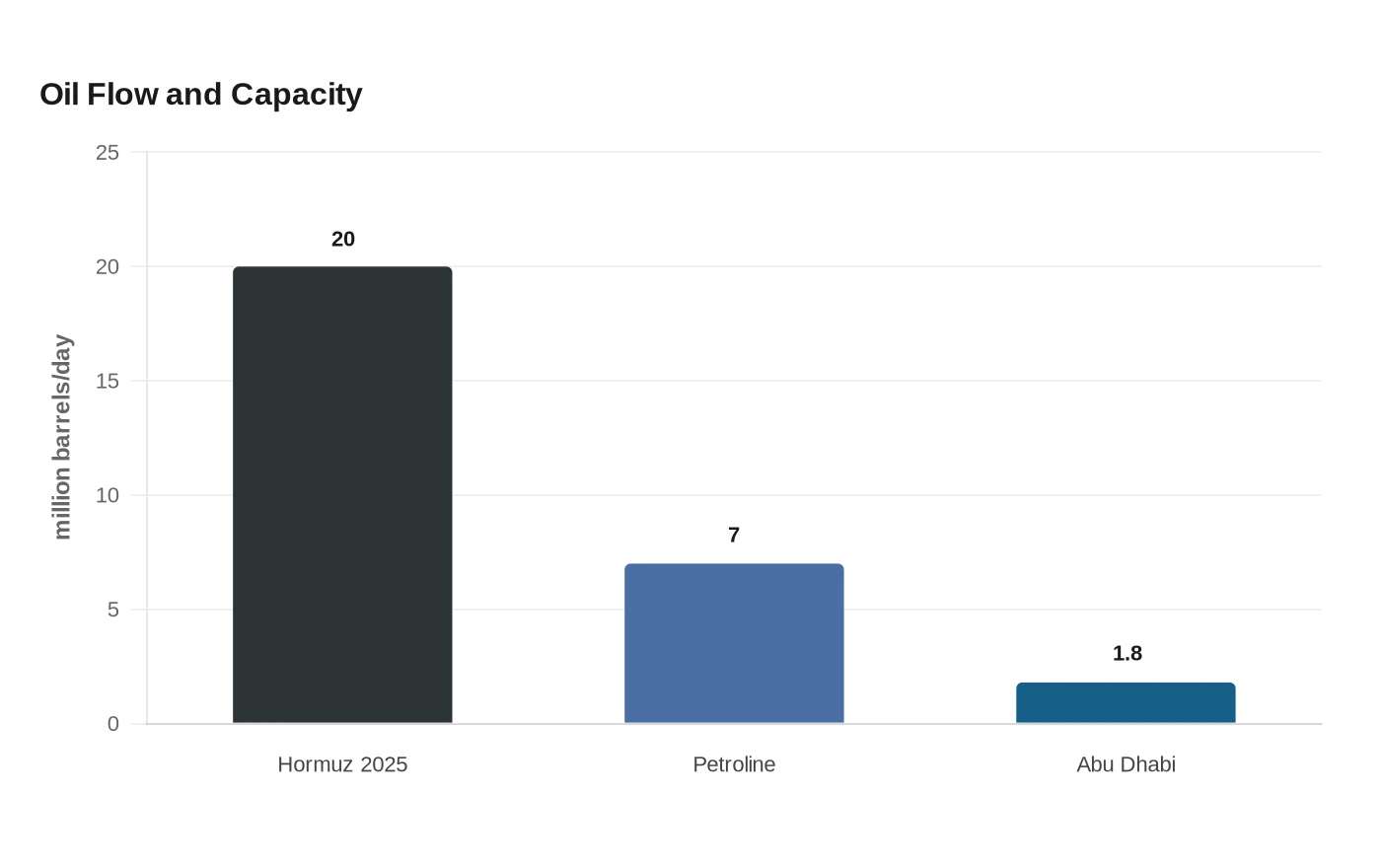
The stakes are large because the strait remains one of the world’s most important energy chokepoints. The International Energy Agency said an average of 20 million barrels a day of crude oil and oil products moved through Hormuz in 2025, and at its narrowest point the waterway is only 29 nautical miles wide. The IEA warned in March 2026 that conflict in the Middle East was already hurting energy security and affordability, a reminder that any delay in restoring normal traffic can reach far beyond the Gulf and into consumer prices, inflation and global freight costs.
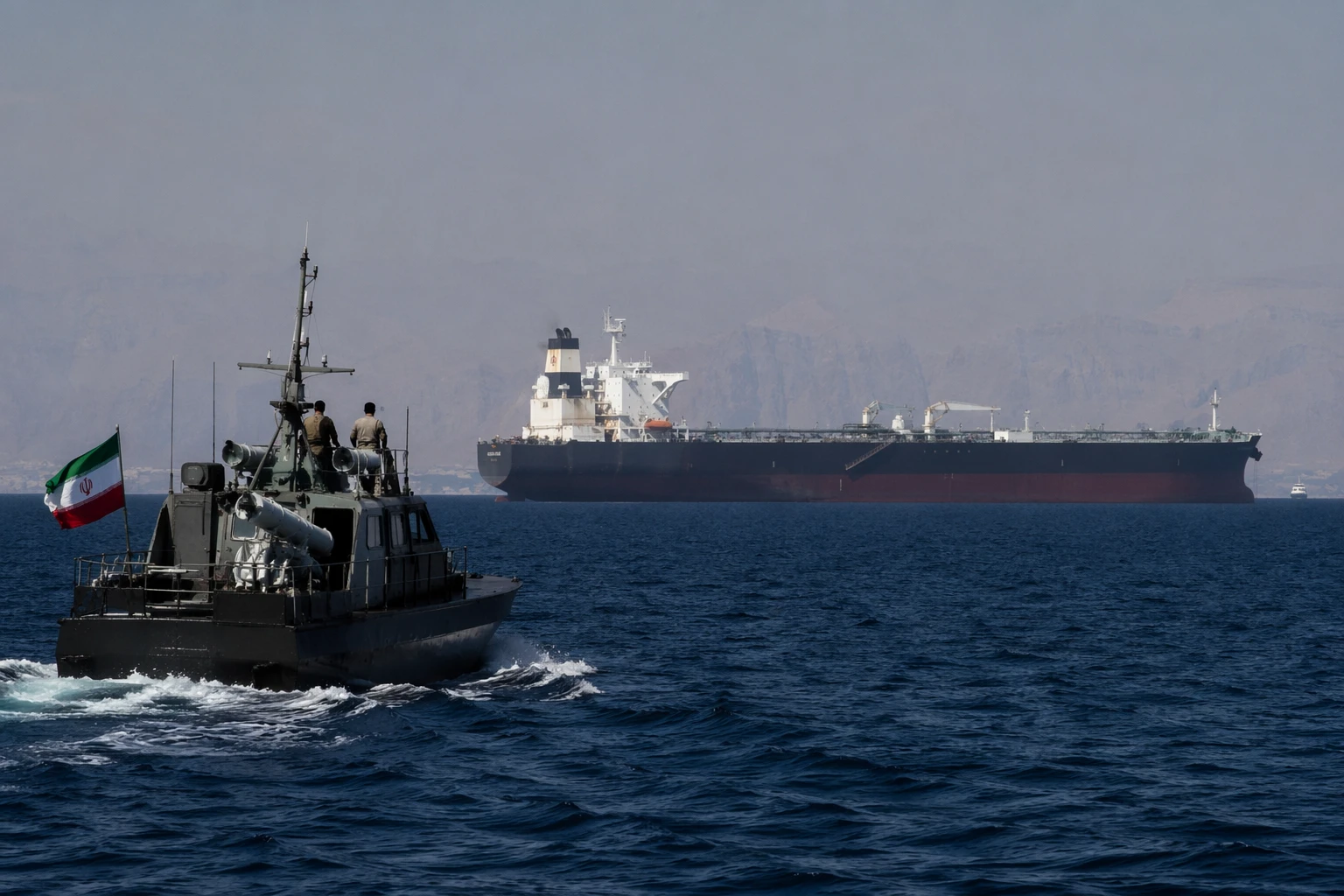
Saudi Arabia has leaned hardest on its East-West Pipeline and the Red Sea port of Yanbu as its backup. The line, also known as the Petroline or the Abqaiq-Yanbu line, runs about 1,200 kilometers from the Eastern Province to Yanbu and has a designed maximum throughput of 7 million barrels a day. Saudi Aramco said in March 2026 that the route was nearing, or hitting, that limit, but port handling and loading constraints mean it can only partly offset any loss of Hormuz volumes.

The United Arab Emirates has built out its own bypass network. The Fujairah Oil Industry Zone says it holds about 70 million barrels of storage, and the Port of Fujairah says the hub now has 18 oil terminals. Outside the strait, the Abu Dhabi Crude Oil Pipeline can move up to 1.8 million barrels a day to the Gulf of Oman, giving Abu Dhabi an export path that avoids Hormuz entirely. That capacity has made Fujairah more important as a storage and bunkering center, even as oil earnings in the UAE have remained under pressure.
Still, the alternatives do not fully solve the problem. Tanker availability, security checks and war-risk insurance all remain constraints, and analysts at several banks said recovery in oil flows and production could take several months. Citi cut its Brent forecasts to $75 a barrel for the third quarter of 2026 and $70 for the fourth, betting that normalization will be gradual rather than immediate. The message from the Gulf is clear: more barrels are moving, but the system is not yet secure.
Sources
- [1]nytimes.com
- [2]iea.org
- [3]al-monitor.com
- [4]usnews.com
- [5]msn.com
- [6]spglobal.com
- [7]foiz.gov.ae
- [8]fujairahdirectory.com
- [9]argusmedia.com
- [10]cnbc.com