Business
Oil Profits Surge Amid Middle East Tensions, Experts Warn of Climate Setbacks
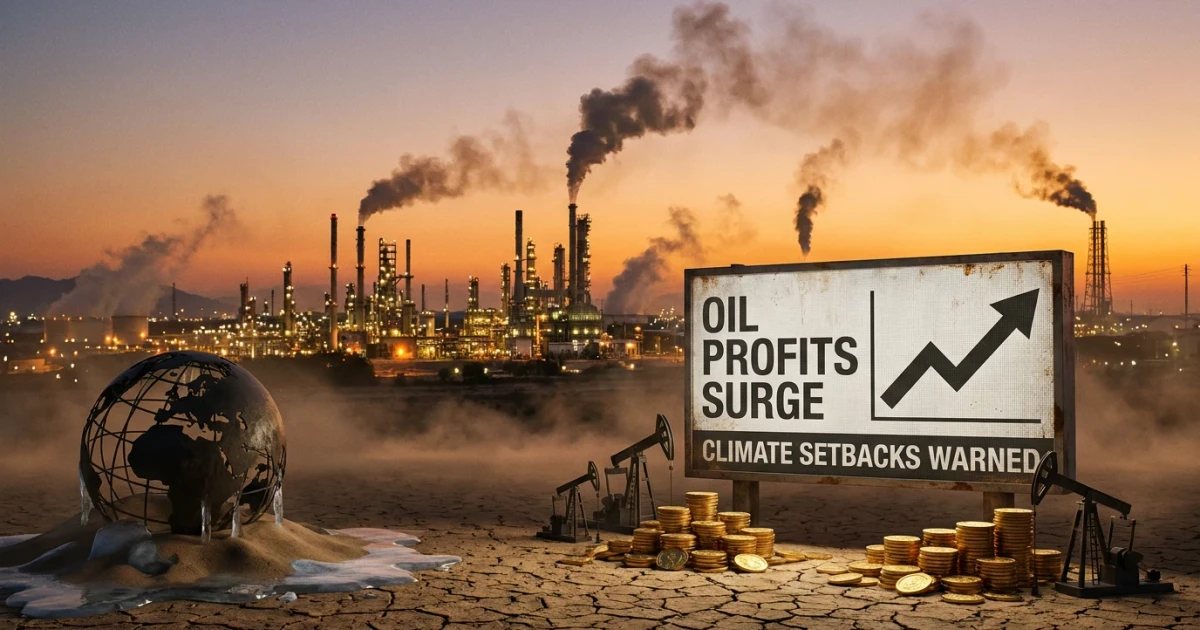
Recent conflict in the Middle East, notably the Trump administration’s military engagement with Iran, has sent shockwaves through global oil markets—fueling soaring profits for oil majors and raising alarms among climate experts about setbacks in the fight against global emissions.
Oil Markets Respond to Geopolitical Uncertainty
The escalation of hostilities between the United States and Iran has resulted in volatile swings in crude oil spot prices. Analysts note that fears over supply disruptions have driven prices to multi-year highs—a trend reflected in the latest earnings reports from energy giants.
Shell’s Robust Profits Amid Market Turmoil
Amid these market shifts, Shell announced a profit of nearly $7 billion for the recent quarter, a figure described as “unprecedented” given the scale of disruption. The company’s official quarterly results highlight how major producers have benefited from the surge in oil prices triggered by the conflict. Shell’s leadership attributed the gains to strong trading operations and elevated production margins, even as the company faces increasing scrutiny over its climate commitments.
- Shell’s $7 billion profit comes at a time when other energy majors are also reporting outsized gains.
- Market analysts point to supply fears and speculative trading as key drivers of recent price spikes.
- Energy sector employment and revenues have seen temporary boosts, as reflected in industry statistics.
Climate Experts Warn of Lost Momentum
While oil companies see profits rise, experts cited by The Guardian warn that the renewed focus on fossil fuel production threatens to undermine hard-won climate progress. The IPCC’s Sixth Assessment Report underscores the urgent need for rapid emissions reductions this decade, a goal now jeopardized by the short-term boost to oil investment.
Renewed market confidence in fossil fuels could divert capital from clean energy projects, climate analysts say, slowing the adoption of renewables and putting global climate targets at risk. The Guardian reports that many environmental groups view the current situation as a critical test of political and corporate resolve to maintain climate commitments despite immediate economic pressures.
Potential Effects on Emissions and Policy
Data from the EPA’s global greenhouse gas emissions tables shows that the energy sector remains the single largest source of climate-warming gases. If the current trend of increased oil production persists, it could reverse recent declines in emissions seen in several developed economies.
Governments and international bodies face mounting pressure to balance energy security with climate action. The Guardian notes that some policymakers now call for stronger carbon pricing and investment in renewables to counteract the oil market’s renewed dominance. However, the immediate economic incentives for oil expansion remain potent, especially as energy prices affect inflation and consumer sentiment worldwide.
What Comes Next?
As the situation develops, experts warn that only decisive policy intervention and sustained investment in clean energy can prevent a prolonged setback for global climate ambitions. The International Energy Agency’s oil market data will be closely watched for signs of a longer-term shift in supply and demand.
For now, the intersection of geopolitical risk, energy market volatility, and climate urgency remains a central challenge for governments, industry, and the public alike.