Business
Oil rises as U.S.-Iran clashes renew, stock futures edge higher
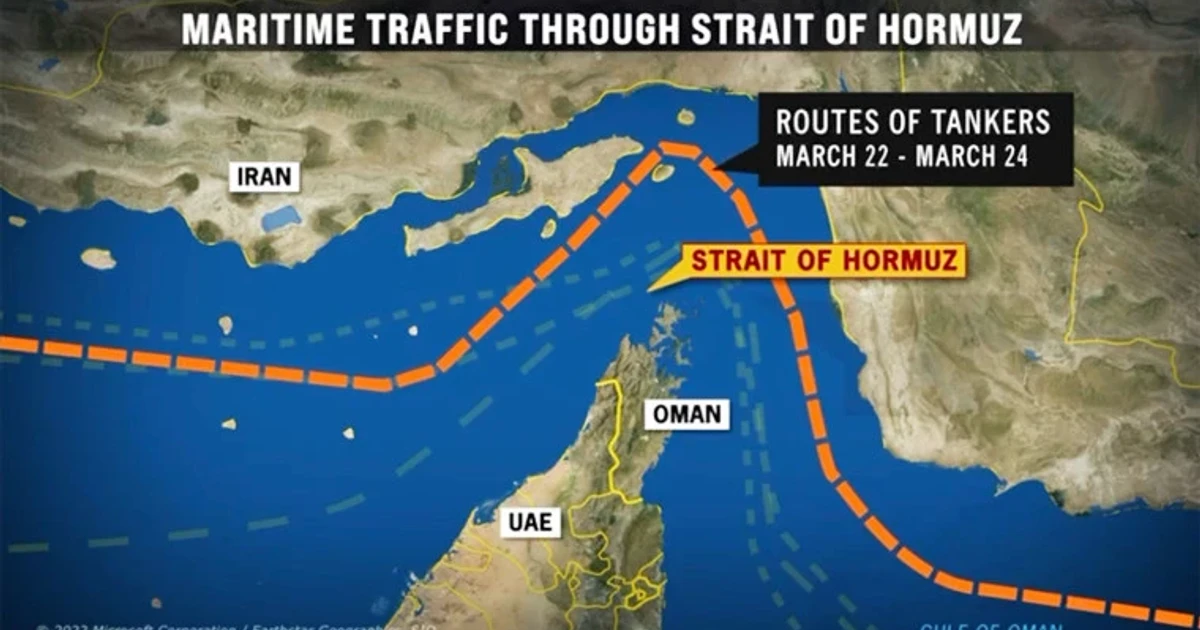
Oil prices rose and stock futures edged higher as renewed U.S.-Iran clashes rattled shipping through the Strait of Hormuz, even as investors kept betting the disruption could still prove temporary. Brent crude climbed 58 cents to $72.57 a barrel and West Texas Intermediate rose 88 cents to $70.11, extending a move that tied energy markets more closely to the latest round of strikes and counterstrikes.
The market reaction was split. Asian shares were mixed and U.S. futures moved higher as traders weighed Middle East risk against rate-hike bets and a stronger dollar. That steadiness suggested many investors were treating the latest flare-up as another geopolitical premium rather than a full-blown supply shock, unless the shipping lanes in the Gulf remain shut or vessels keep avoiding the route for longer.
The Strait of Hormuz, one of the world’s most important oil arteries, had only begun to recover after an interim peace deal between Washington and Tehran. CNBC said experts warned it could take weeks to clear the backlog of vessels, even before the latest reversal in violence, and that security checks and route disruptions could keep traffic from normalizing quickly. Reuters said renewed attacks once again slowed energy shipping through the strait, underscoring how quickly tensions there can hit global crude flows.
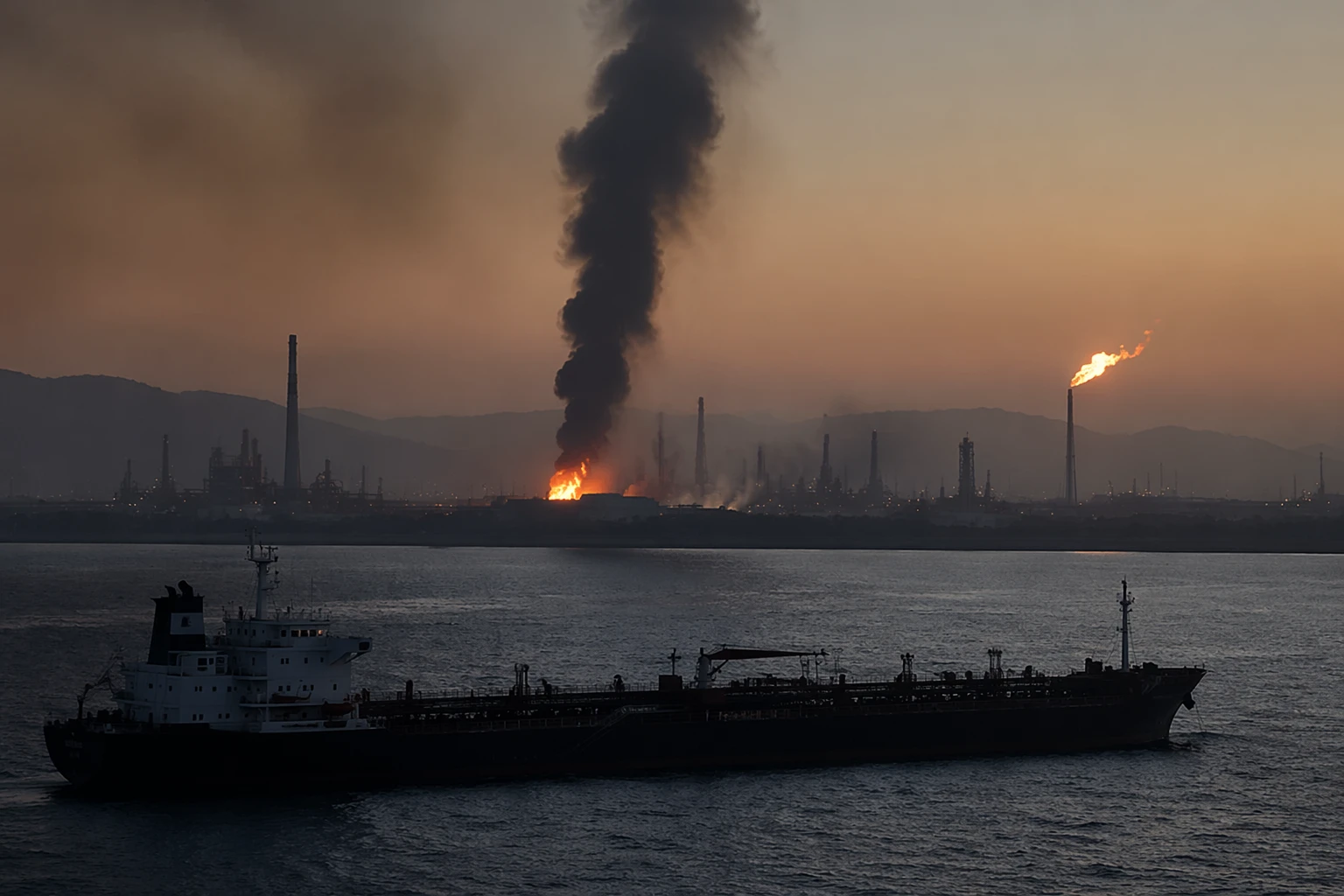
The latest escalation followed a fast-moving sequence in June. On June 26, the U.S. military attacked Iran after an Iranian drone strike on a cargo ship in the Strait of Hormuz. Reuters later said the two sides agreed to halt recent hostilities and resume talks over the waterway, with technical discussions set to continue on a memorandum of understanding. A U.S. official said on Sunday that Iran and the United States had agreed to pause hostilities and renew talks over the dispute.
For consumers, the immediate effect runs through gasoline prices and inflation expectations. Higher crude does not automatically translate into a pump-price spike overnight, but sustained moves in Brent and WTI usually feed into fuel costs, particularly if shipping delays raise the price of delivering barrels to market. That is why traders also are watching whether the oil rally stays confined to headlines or begins to alter the outlook for inflation and Federal Reserve policy.
ING analysts said traders were focused on whether oil flows could continue to recover and what that would mean for the global balance. For now, markets are signaling a conditional view: calm can return quickly if the Strait of Hormuz reopens cleanly, but any deeper disruption would turn a temporary risk premium into something much more structural.
Sources
- [1]news.google.com
- [2]money.usnews.com
- [3]cnbc.com
- [4]reuters.com