Business
Oil selloff deepens as Iran deal raises supply fears

Oil’s retreat accelerated as traders priced in the chance that Iranian barrels could return to the market through the Strait of Hormuz. Brent fell below $80 a barrel for the first time in more than three months, a level that could eventually ease gasoline costs if supply actually materializes. The immediate move was less about tankers already flowing and more about what the market thinks may happen next.
A senior Trump administration official put the odds of an agreement at 80% on June 12, saying a deal could come in the following days. Seyed Abbas Araghchi said the memorandum of understanding “has never been closer.” Under the reported terms, the pact would reopen Hormuz, lift the U.S. naval blockade, dismantle Iran’s nuclear program and remove enriched uranium, a package that would reshape the risk premium built into crude prices.
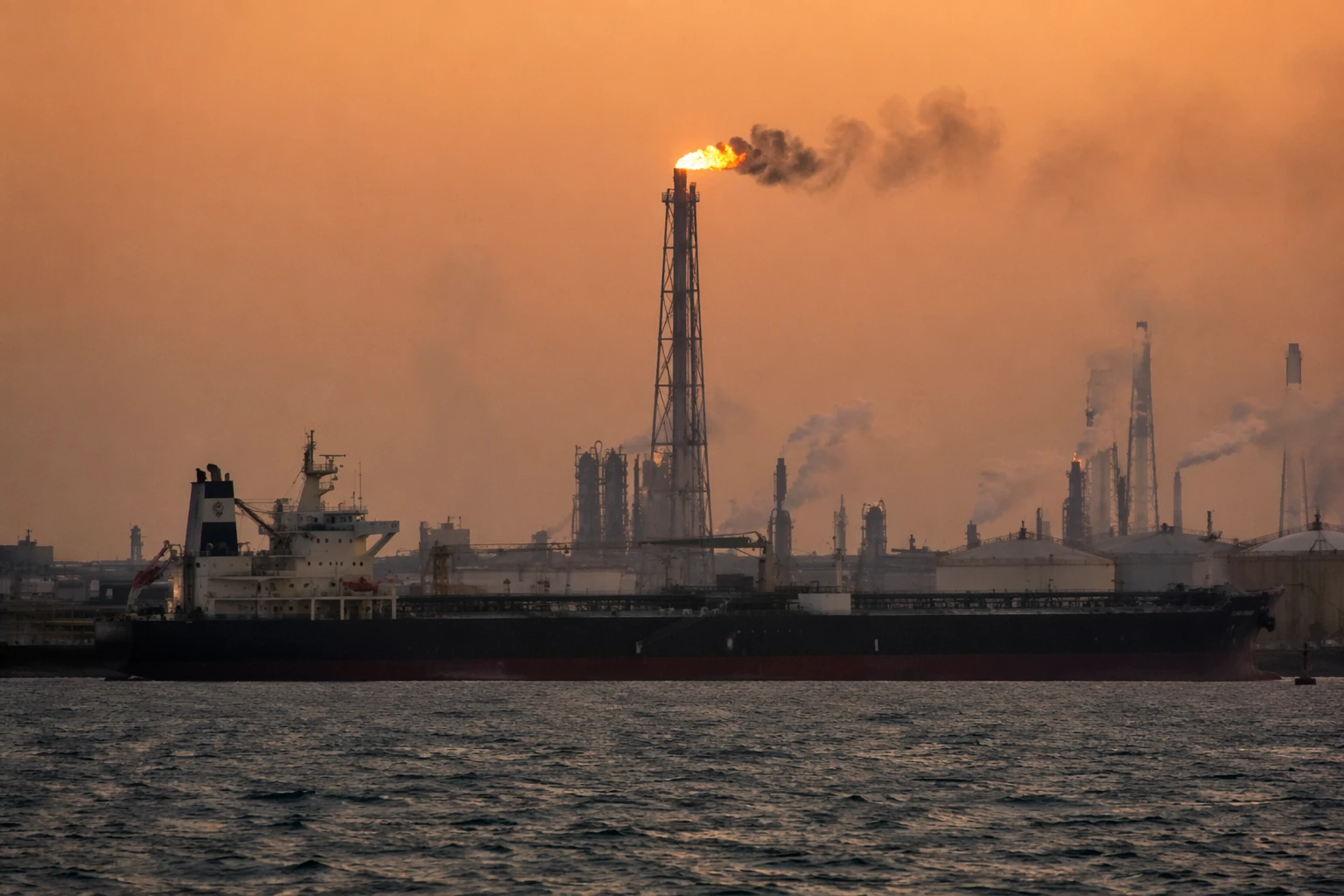
The selloff gathered speed after Donald Trump said the United States and Iran had signed a memorandum of understanding aimed at ending the Iran war and reopening Hormuz, sending oil down $4 a barrel to a three-month low on June 15. Brent futures had already lost 3.4% to settle at $87.33 on June 12, and by June 16 the benchmark had dropped below $80. Bloomberg said the slide was on track for the longest losing run in 10 months, while leading Wall Street banks cut their crude forecasts.
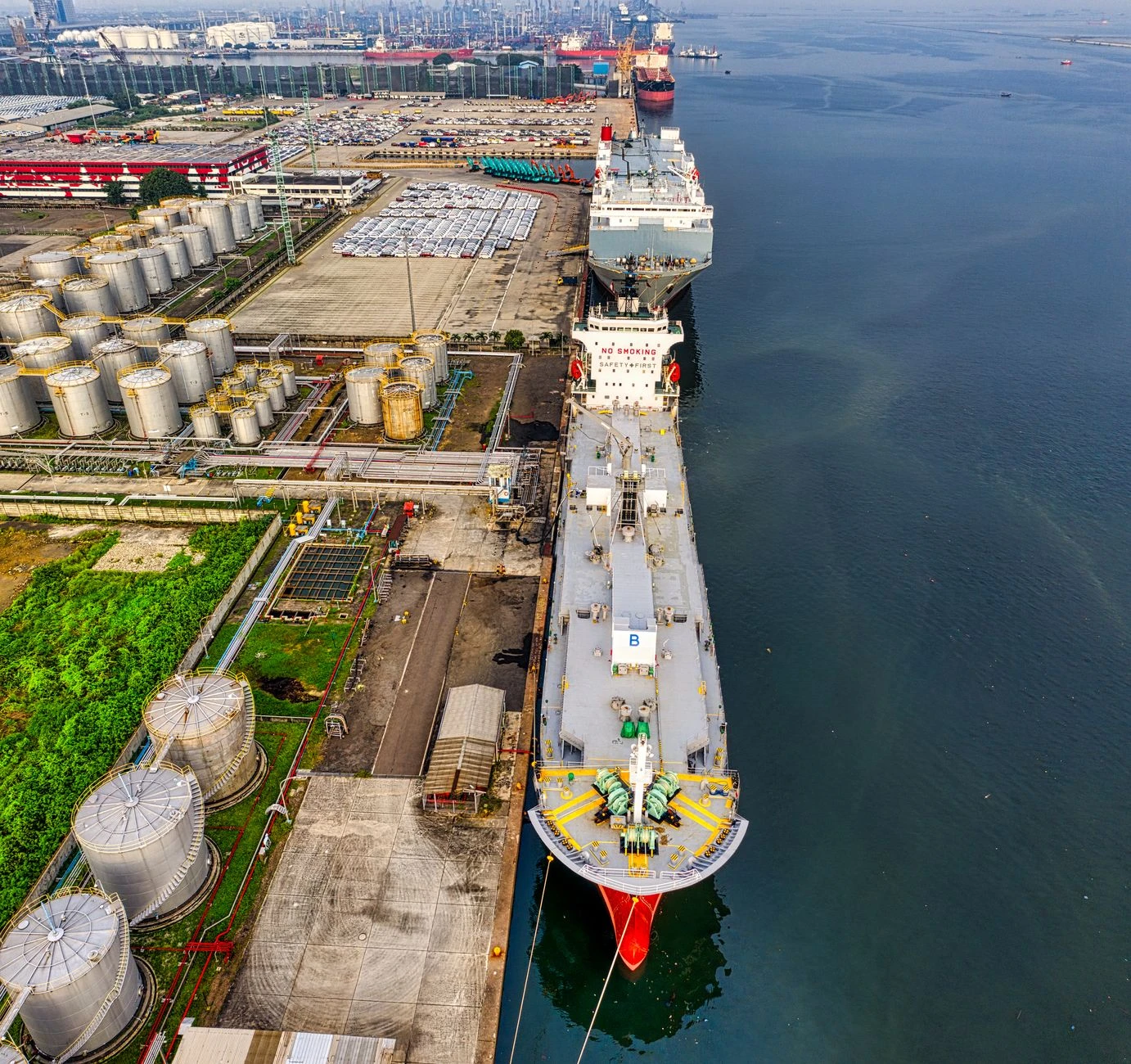

The broader market reaction shows how quickly geopolitics can ripple into consumer prices and energy stocks. If more Iranian crude eventually reaches global buyers, it could help cap gasoline prices and ease some inflation pressure, especially in markets that import heavily from the crude complex. But that relief depends on actual supply returning, not just expectations of it. Oil was still more than 20% above the levels reached after U.S. and Israeli attacks on Iran on Feb. 28, underscoring how much of the price has been driven by war risk and how fast it can unwind when that risk fades. Until tankers move more freely through Hormuz, traders are pricing the promise of supply, not the supply itself.
Sources
- [1]news.google.com
- [2]finance.yahoo.com
- [3]msn.com
- [4]cnbc.com
- [5]bloomberg.com
- [6]thesheffieldpress.com