Business
Oil slides as Iran-US ceasefire deal remains provisional
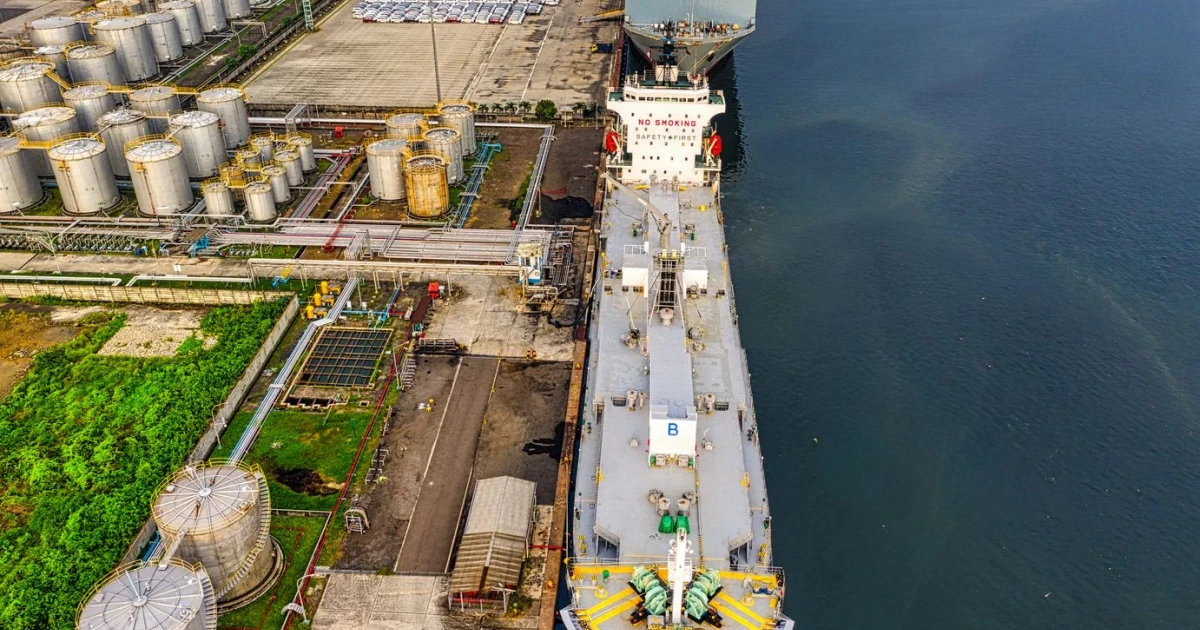
Oil prices were headed for a second straight weekly decline as the market priced in a fragile Iran-U.S. ceasefire that reopened the Strait of Hormuz, yet left enough unanswered questions to keep a risk premium in place. Traders welcomed the return of tanker traffic through the waterway that carries about one-fifth of global oil trade, but the deal’s enforcement terms and security risks still looked provisional rather than settled.
The draft memorandum would reopen the strait to commercial vessels, lift the U.S. naval blockade on Iranian ports, waive U.S. oil sanctions and release $25 billion of frozen Iranian assets. But the relief is tied to conditions. A senior U.S. official said the benefits would only flow if Iran does not seek a nuclear weapon, neutralizes enriched material and refrains from interfering with navigation through the strait.
The preliminary agreement was described as extending the ceasefire for 60 days while negotiators work on harder issues, including Iran’s nuclear program. Donald Trump said Vice President JD Vance would attend a formal signing ceremony in Geneva on Friday, but the document remained thin, at roughly 1.5 pages, and much of the final structure was still unsettled.
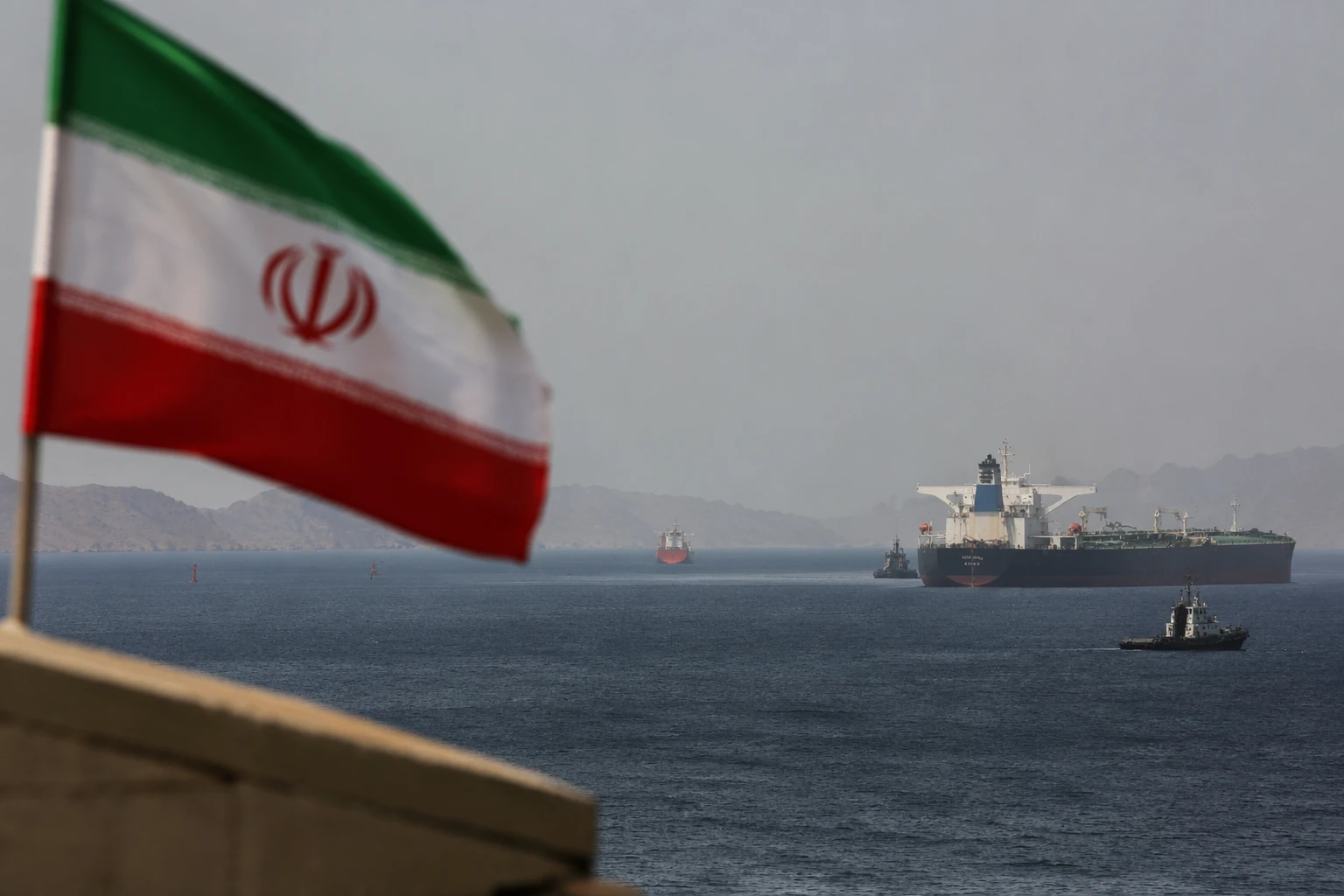
The market reaction was immediate. Oil fell to its lowest level since March 10 after the blockade had curtailed flows through Hormuz, and the reopening of the waterway began to restore supply expectations. Some major Asian stock gauges hit record highs as crude slipped further, while a T. Rowe Price weekly update said most major U.S. stock indexes finished the holiday-shortened week higher, helped by the memorandum of understanding and the prospect of more oil reaching the market.
Still, the deal’s fragility is what traders are watching. Masoud Pezeshkian said a lasting truce had yet to take shape, and fresh strikes between Israel and Hezbollah in southern Lebanon raised the risk that the ceasefire could unravel before the terms are nailed down. Switzerland also postponed a planned round of U.S.-Iran talks, another sign that diplomacy is moving on a narrow and uncertain track.
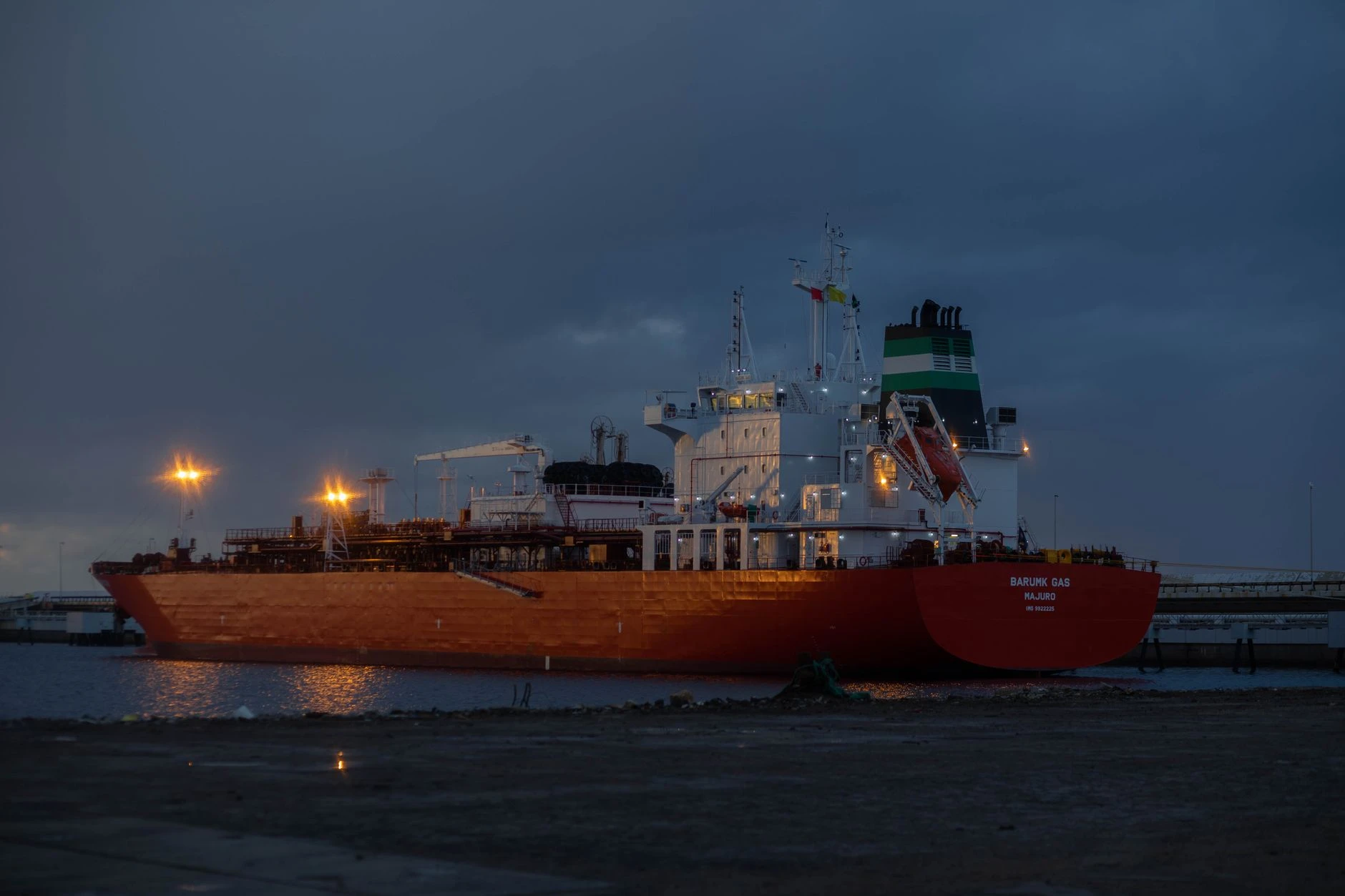
For oil markets, the question is no longer whether supply can resume through Hormuz. It is whether the political and security conditions around that supply can hold long enough to justify a lower price. Until that answer is clearer, crude is likely to keep trading with a war premium, even after the ceasefire breakthrough.
Sources
- [1]nytimes.com
- [2]usnews.com
- [3]al-monitor.com
- [4]reuters.com
- [5]troweprice.com