Business
Oil surges after US strikes on Iran, threatening shipping recovery
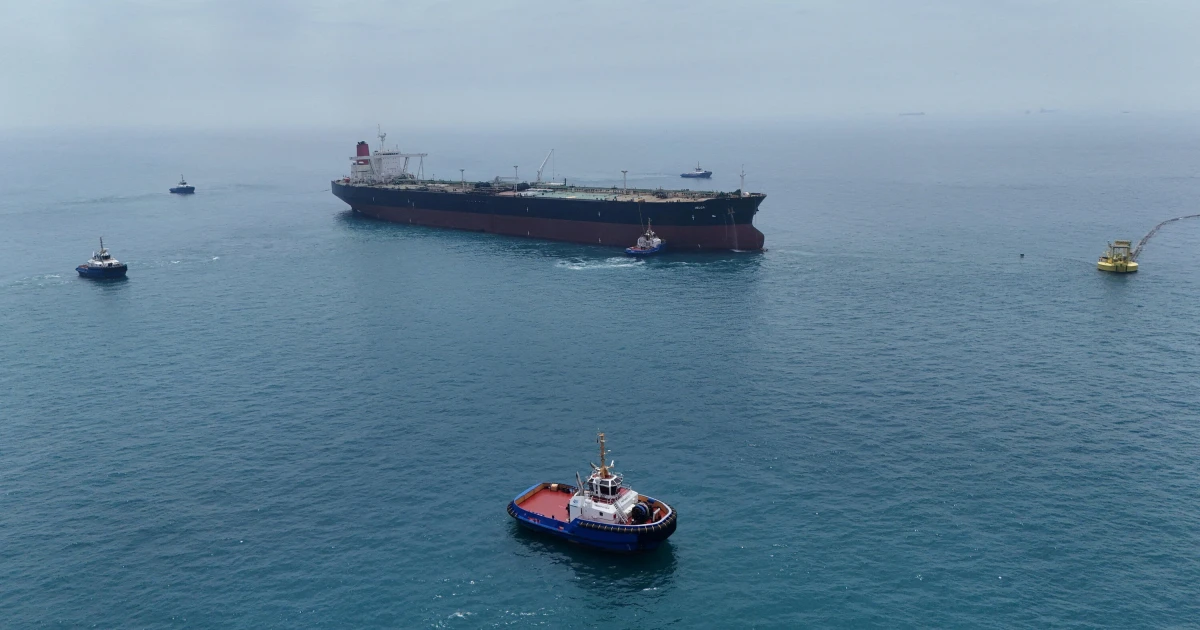
Brent crude jumped more than 3 percent on Wednesday, pushing September futures to $76.48 a barrel at 06:30 GMT as renewed fighting around Iran and the Strait of Hormuz jolted markets back out of their brief calm. The spike reversed a slide that had brought crude back to pre-war levels only days earlier and renewed the risk of higher fuel costs for drivers, airlines and freight operators.
The latest move followed a sharp reset in prices on June 25, when August Brent fell to $72.68 a barrel and West Texas Intermediate dropped to $69.58, their lowest levels since before the war started. That normalization did not last. Brent climbed about 0.9 percent on June 29 after tit-for-tat U.S. and Iranian strikes deepened doubts that tankers could move normally through the waterway, and oil settled 3 percent higher on July 7 after Iran attacked three commercial vessels in the Strait of Hormuz and Washington revoked a general license for Iran oil sales.
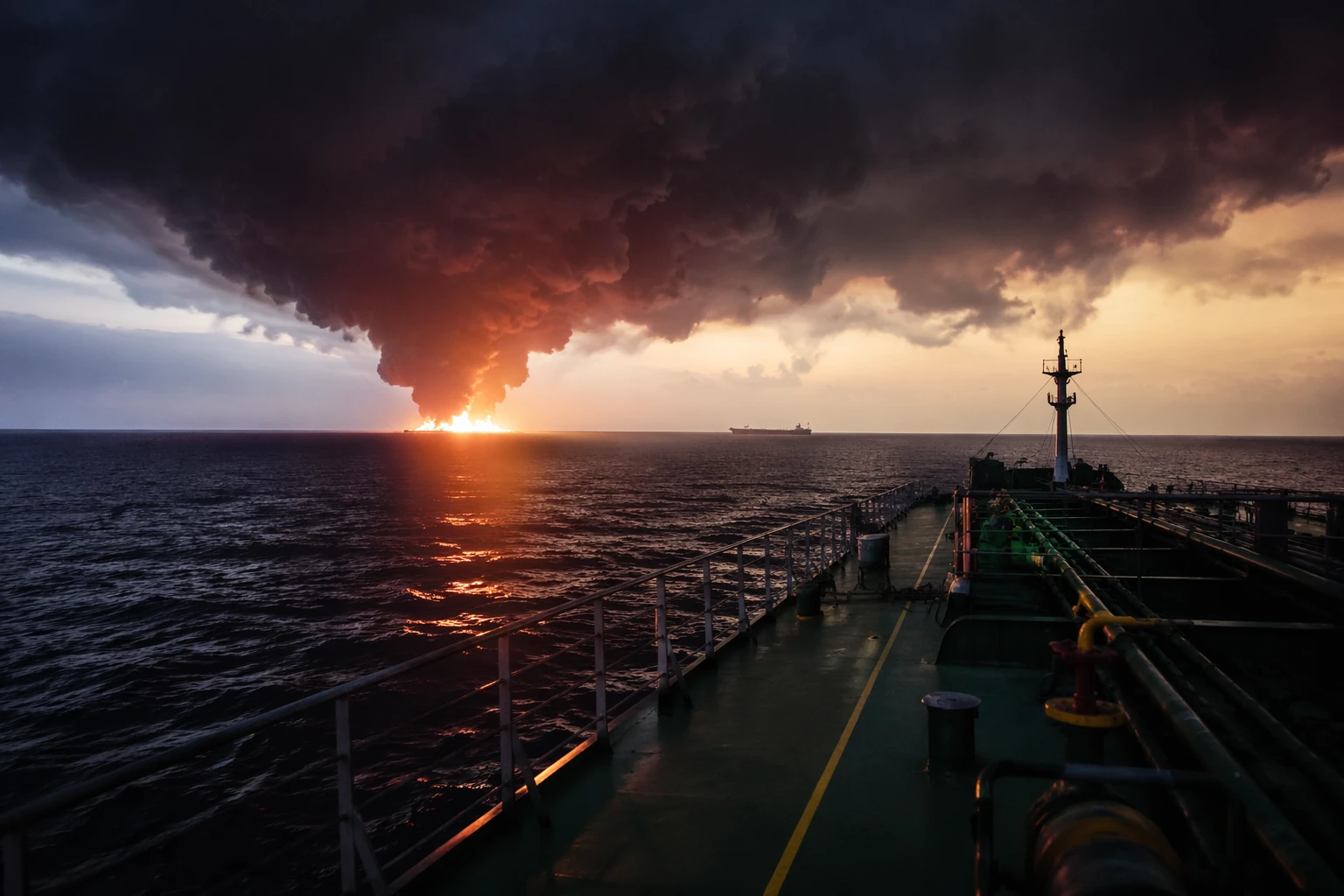
The shipping chokepoint at the center of the market reaction carries about one-fifth of global oil and liquefied natural gas supplies in peacetime, so even a short interruption can ripple through crude benchmarks, freight rates and insurance costs. Saudi Aramco resumed crude loadings at Ras Tanura on June 26 after a near four-month halt, with LSEG shipping data showing the last cargo had been loaded there on March 8. Saudi exports had also been diverted to the Red Sea port of Yanbu when Hormuz was blocked, a sign that Gulf producers were already building detours into their logistics plans.
The new surge threatens that recovery. An attack in the Strait of Hormuz had already pushed Brent above $76 on June 26 and forced the International Maritime Organization to suspend an evacuation plan, underscoring how quickly safety concerns can close off shipping lanes that traders had begun to price as usable again. With the latest strikes landing near the same corridor, markets are once again weighing whether cargoes can move without delay.

Asian equities reflected the strain. Tokyo and Seoul posted steep losses while Taipei and Hong Kong managed gains, leaving the region mixed but clearly uneasy. If crude stays elevated, gasoline and diesel prices are likely to follow, adding pressure to consumers, airlines and truckers just as the market was beginning to shed the war premium that had built up through June.
Sources
- [1]news.google.com
- [2]aljazeera.com
- [3]reuters.com
- [4]cnbc.com