Politics
Oklahoma primary opens wide-ranging contests for governor, Senate and more
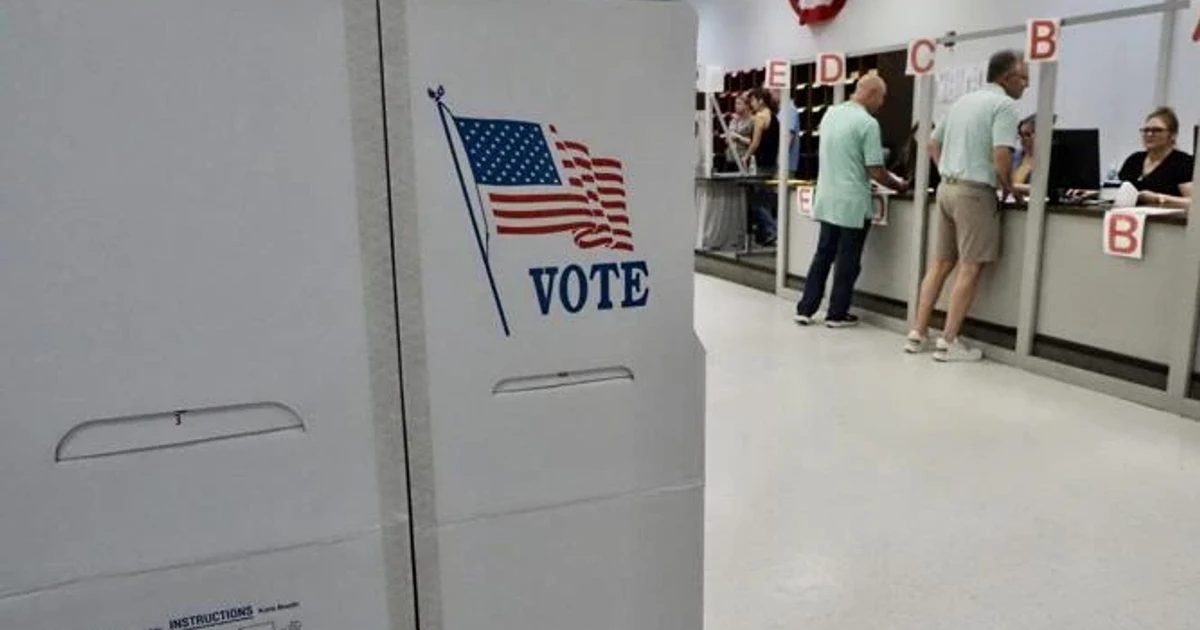
A wave of open seats turned Oklahoma’s June 16 primary into more than a routine nomination day. With voters choosing contenders for governor, U.S. Senate, lieutenant governor and attorney general, the ballot became an early test of which Republicans would inherit power in one of the country’s most reliably red states.
Polls were open from 7:00 a.m. to 7:00 p.m., and the statewide ballot reached well beyond the top races. Oklahomans also voted for state treasurer, superintendent of public instruction, state auditor and inspector, commissioner of labor, insurance commissioner and corporation commissioner, along with district attorney and legislative seats. In U.S. House District 1, Croisant was uncontested, a reminder that some contests were already decided by the ballot structure even as others were just beginning.
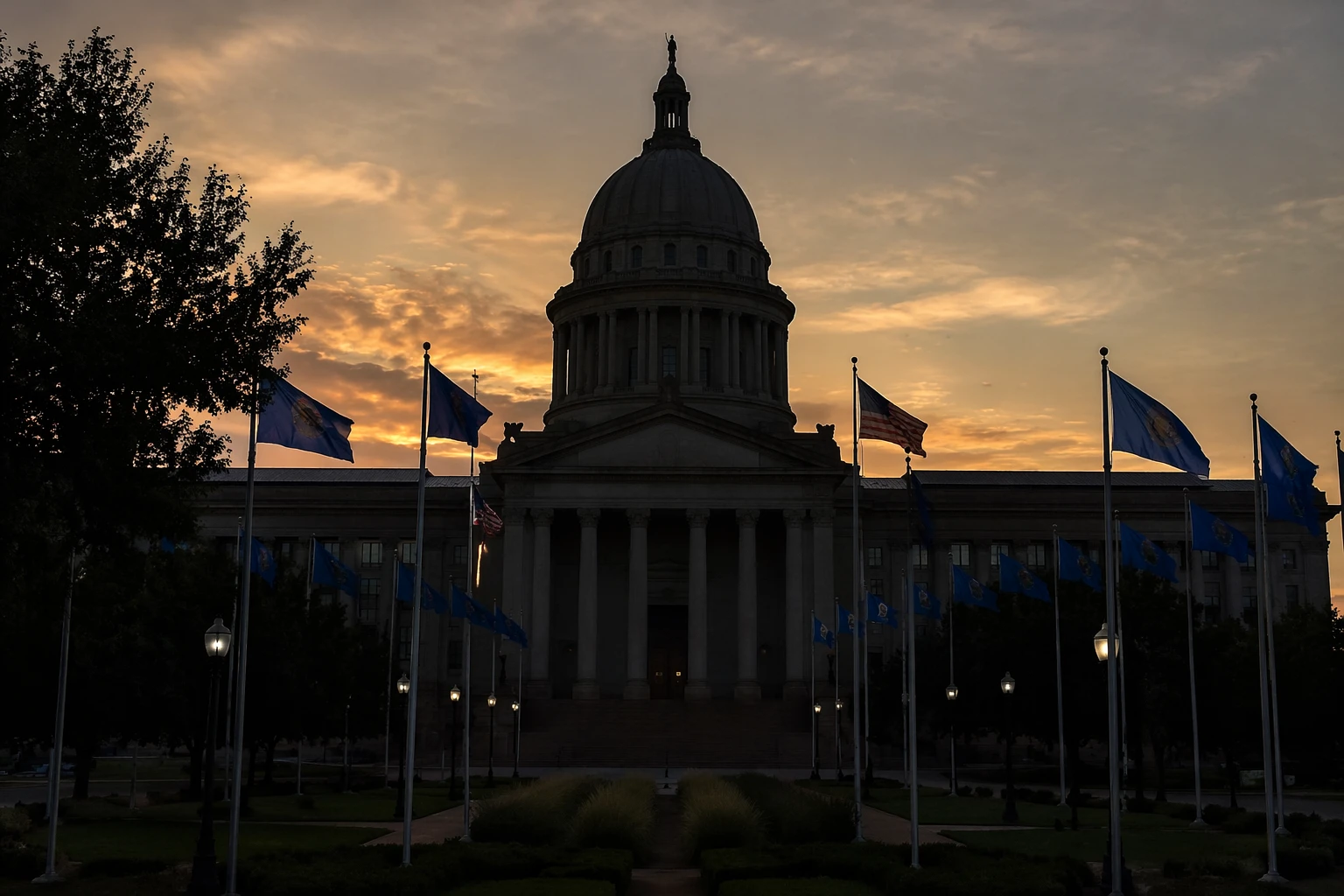
The governor’s race carried the clearest opening for a new generation of leadership. Kevin Stitt is term-limited and cannot seek a third consecutive term, leaving the GOP to sort out who can carry his coalition forward, and who can move past it. The Senate contest was open as well, with a runoff scheduled for August 25 if no candidate won a majority. That made the primary less a one-day verdict than the first round in a larger struggle over the party’s direction.
Those stakes matter because Oklahoma’s primary rules place the decisive power squarely inside party lines. In 2026, only registered voters of a party could vote in that party’s primary, while all registered voters, including independents, could vote on State Question 832, the only statewide question on the ballot. That measure added a policy layer to the race, with outside voter guidance identifying it as a minimum-wage initiative that would raise the state minimum wage to $9 in 2025 and then continue annual increases through 2029 before tying future changes to inflation in 2030.
Oklahoma’s voting-age population is about 2.9 million, and the state’s political balance means the Republican primary often functions as the real election. With the general election set for November 3, the outcome of these open-seat races will help determine not just who appears on the fall ballot, but which faction of Oklahoma Republicans sets the agenda on education, energy and culture-war fights for the next four years.
Sources
- [1]apnews.com
- [2]oklahoma.gov