Technology
Ollama raises $65 million to expand local AI on PCs
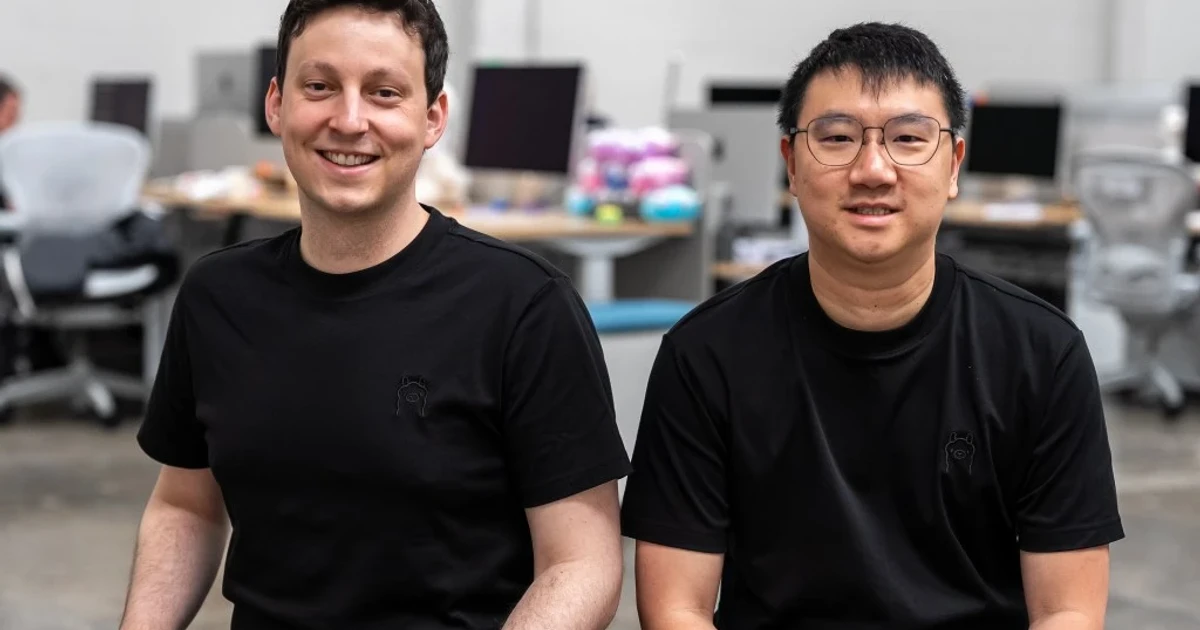
Ollama has raised a $65 million Series B led by Theory Ventures as developers keep flocking to software that runs large language models on their own PCs and laptops. The Palo Alto company now says it has nearly 9 million users, and its GitHub repository shows 176,000 stars and 16.9K forks, signs of a fast-growing open-source audience.
The new round follows a $15 million Series A led by Benchmark’s Peter Fenton and brings total funding to $88 million. Jeff Morgan and Michael Chiang, who previously helped build Docker Desktop after Docker acquired Kitematic, have shaped Ollama around the same kind of low-friction setup that made Docker useful to a generation of developers: download it, point it at a model, and start running locally.
Ollama first launched in 2023 as a way to make local large language models simpler to use. On October 5, 2023, it announced an official Docker-sponsored open-source image, a move that fit its emphasis on packaging AI for personal machines rather than remote cloud servers. By February 8, 2024, Ollama had added compatibility with the OpenAI Chat Completions API, widening its appeal to developers who wanted local inference without rewriting their existing workflows.
The platform kept expanding beyond a basic local runner. On September 25, 2024, Ollama added support for Meta’s Llama 3.2 family, including smaller on-device models. On July 30, 2025, it introduced a new macOS and Windows app with file chat, bringing desktop convenience to a tool that had already become a staple for developers experimenting with models offline. On January 20, 2026, Ollama added image generation on macOS, and three days later it introduced ollama launch, a feature meant to set up and run coding tools like Claude Code, OpenCode and Codex with local or cloud models.
The company has also been building out measurement tools alongside the product itself. Its benchmark tool is a Go-based command-line utility with warmup phases, TTFT tracking, VRAM monitoring and CSV output, a sign that performance and reproducibility are becoming part of the product’s pitch. On June 5, 2026, Ollama released another update focused on improved performance and GGUF model compatibility.
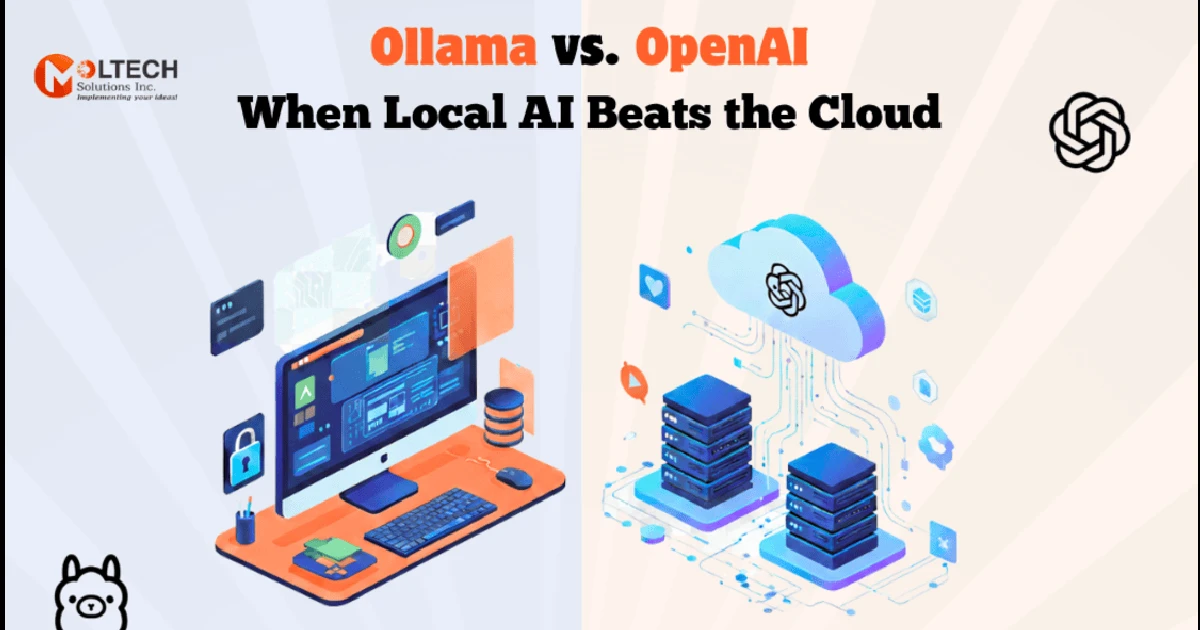
The funding reflects more than enthusiasm for one app. It also tests whether local AI is becoming a durable alternative to closed cloud systems, or simply the latest wave of interest in the open-source AI stack. For now, Ollama’s momentum suggests many developers want control over cost, privacy and customization without giving up the convenience of cloud-era tooling.
Sources
- [1]techcrunch.com
- [2]github.com
- [3]ollama.com