Technology
Omen AI raises $31 million to detect data center cooling failures
Omen AI raised $31 million in Series A financing to monitor chip coolant and flag data center cooling failures before they spread. The company is selling into a market where GPU-heavy facilities are pushing air cooling to its limits and forcing operators toward liquid systems that are harder to manage but increasingly necessary.
Omen says its software uses continuous fluid analysis to read equipment health in real time, giving operators an earlier warning when something in the cooling loop starts to go wrong. That pitch places water chemistry, contamination, and maintenance closer to the center of data center operations, where a missed fault can take down expensive hardware and disrupt service across a facility built for constant uptime.
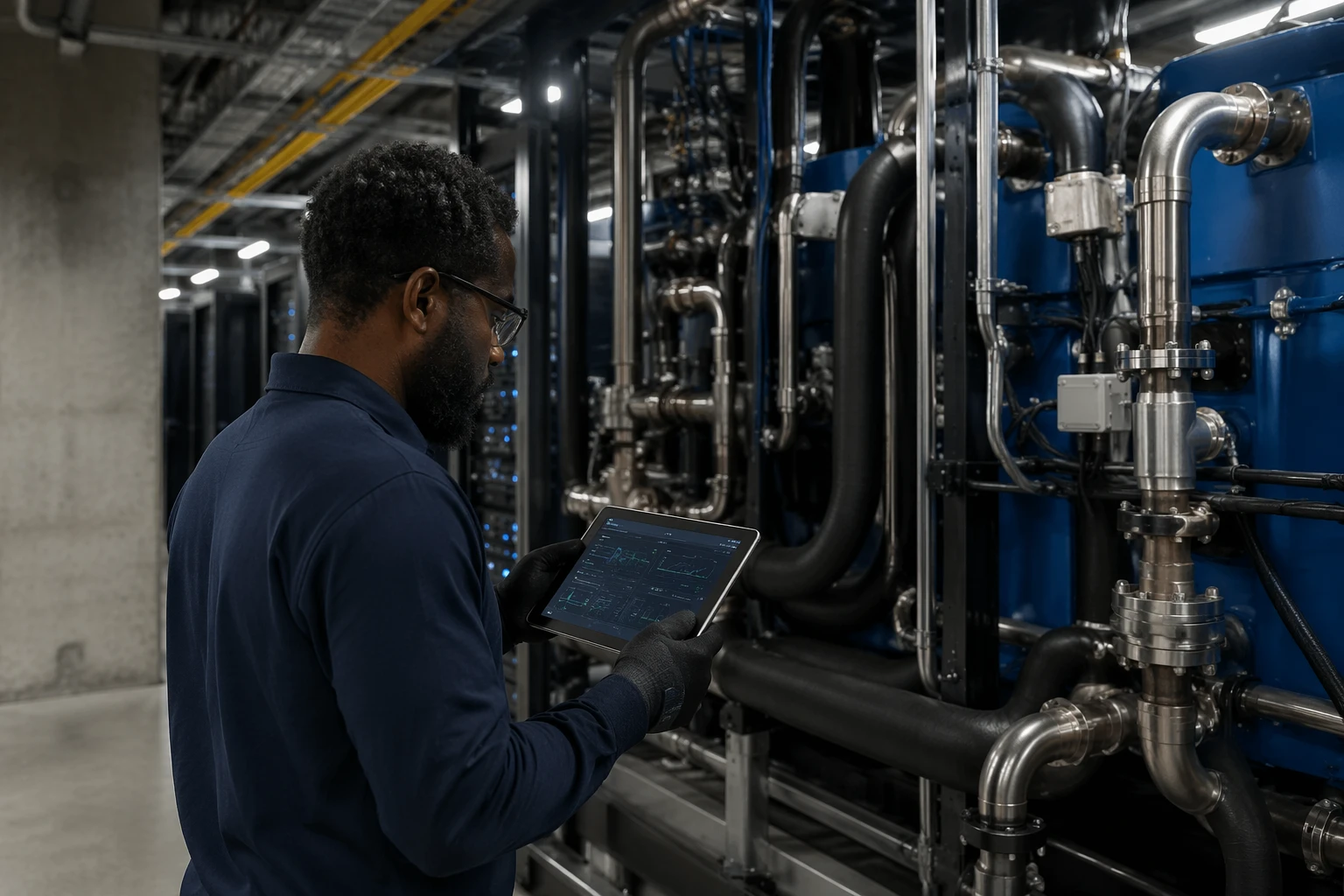
The timing matters because cooling systems now sit at the intersection of infrastructure, public health, and local water use. The Centers for Disease Control and Prevention says cooling towers release aerosolized water and can spread Legionella over miles if the bacterium is present. The CDC also says Legionella can cause Legionnaires’ disease and Pontiac fever, while the U.S. Environmental Protection Agency identifies Legionella pneumophila as the bacterium commonly linked to Legionnaires’ disease and says cooling towers can become a breeding ground for it.
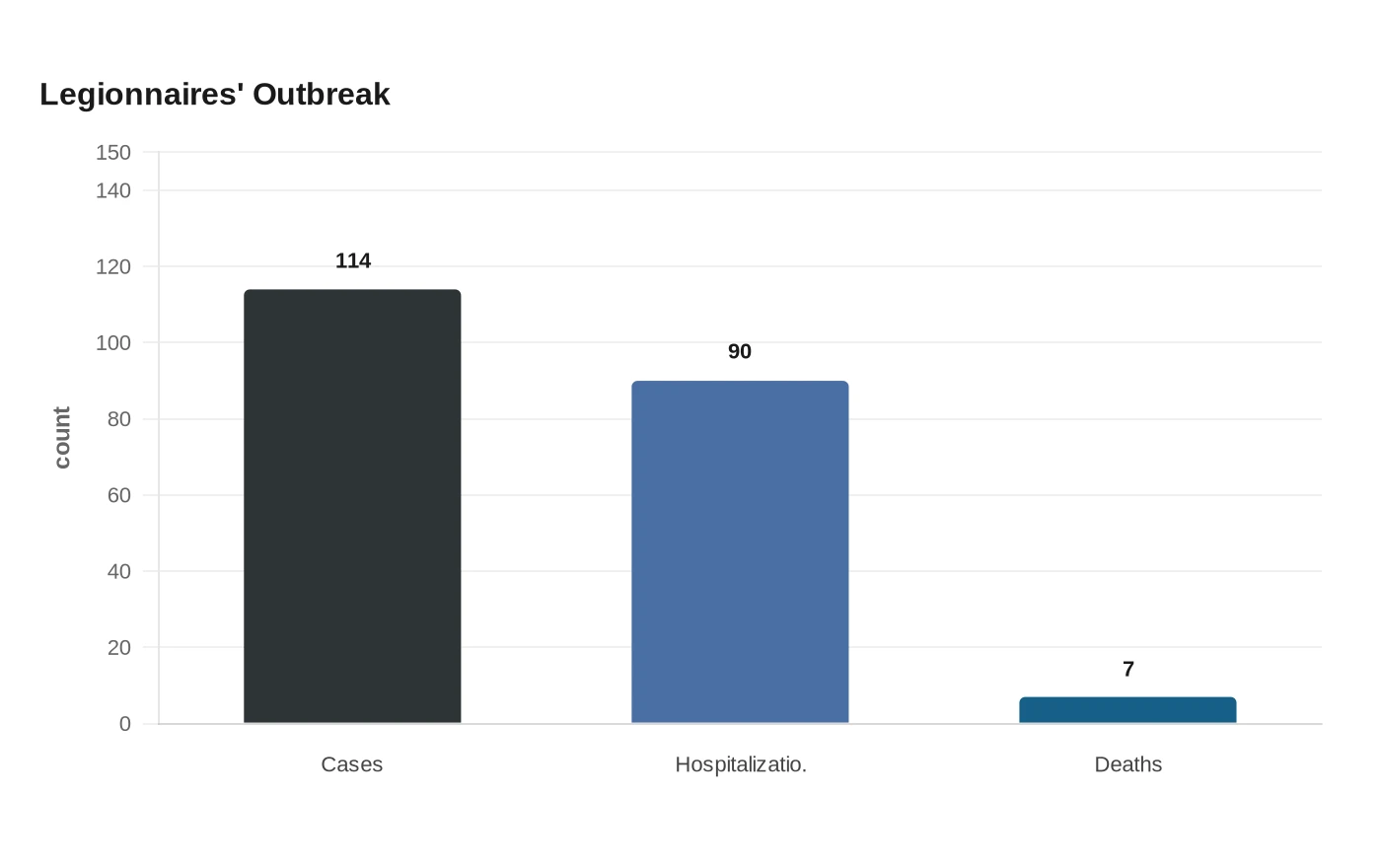
New York City’s 2025 Central Harlem Legionnaires’ cluster showed how quickly that risk can escalate. City health officials said the outbreak ultimately reached 114 cases, 90 hospitalizations, and 7 deaths. They also said molecular analysis matched Legionella from cooling towers at two locations to bacteria found in seven patients, underscoring how water systems can become the source of a citywide health emergency.
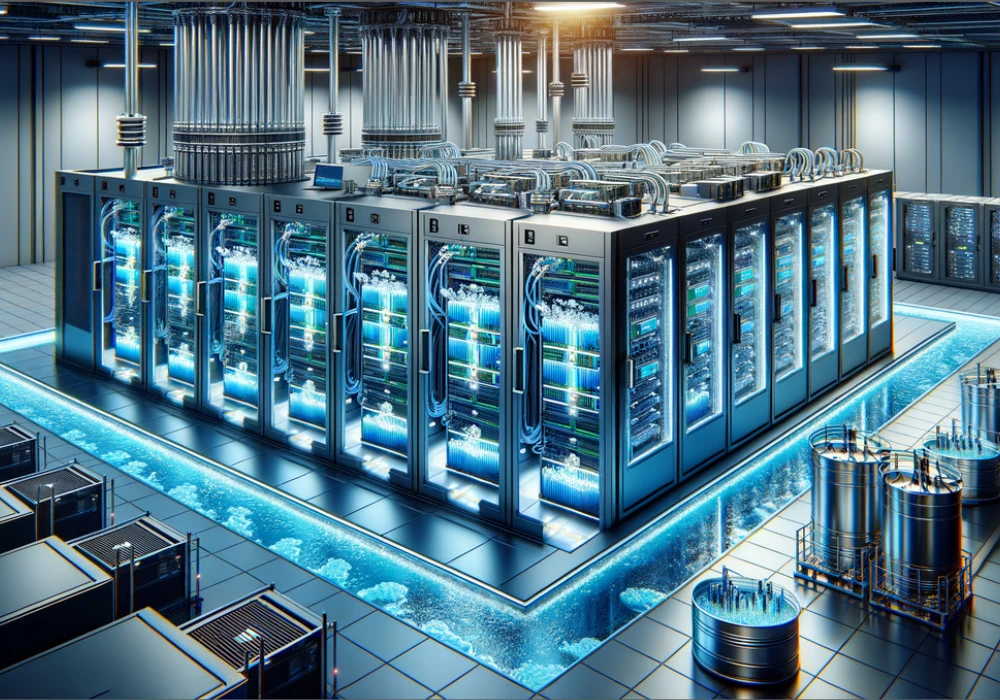
The same cooling shift is carrying a heavy resource cost. EESI says large data centers can consume up to 5 million gallons of water per day, and other recent analysis has said AI data centers are now using hundreds of millions of gallons of water daily across the United States. As more operators turn to liquid cooling for dense AI workloads, the pressure is rising on vendors that can detect contamination, track fluid quality, and keep cooling systems from becoming the weak link in the national buildout.