World
One dead, dozens injured in East Midlands Railway train collision near Bedford

A collision between two East Midlands Railway passenger trains south of Bedford left one person dead, 89 injured and the rail network under urgent scrutiny over how a major failure unfolded in the evening rush hour. British Transport Police declared a major incident as ambulances, air ambulances and specialist hazardous area response teams converged near the Elstow interchange.
The crash happened shortly after 5.15pm on Friday, 19 June 2026, just south of the interchange between the A421 and the A6. The trains involved were the 4.40pm Corby-to-London St Pancras service and the 3.50pm Nottingham-to-London St Pancras service, both heading toward the capital when they came into collision near Bedford.
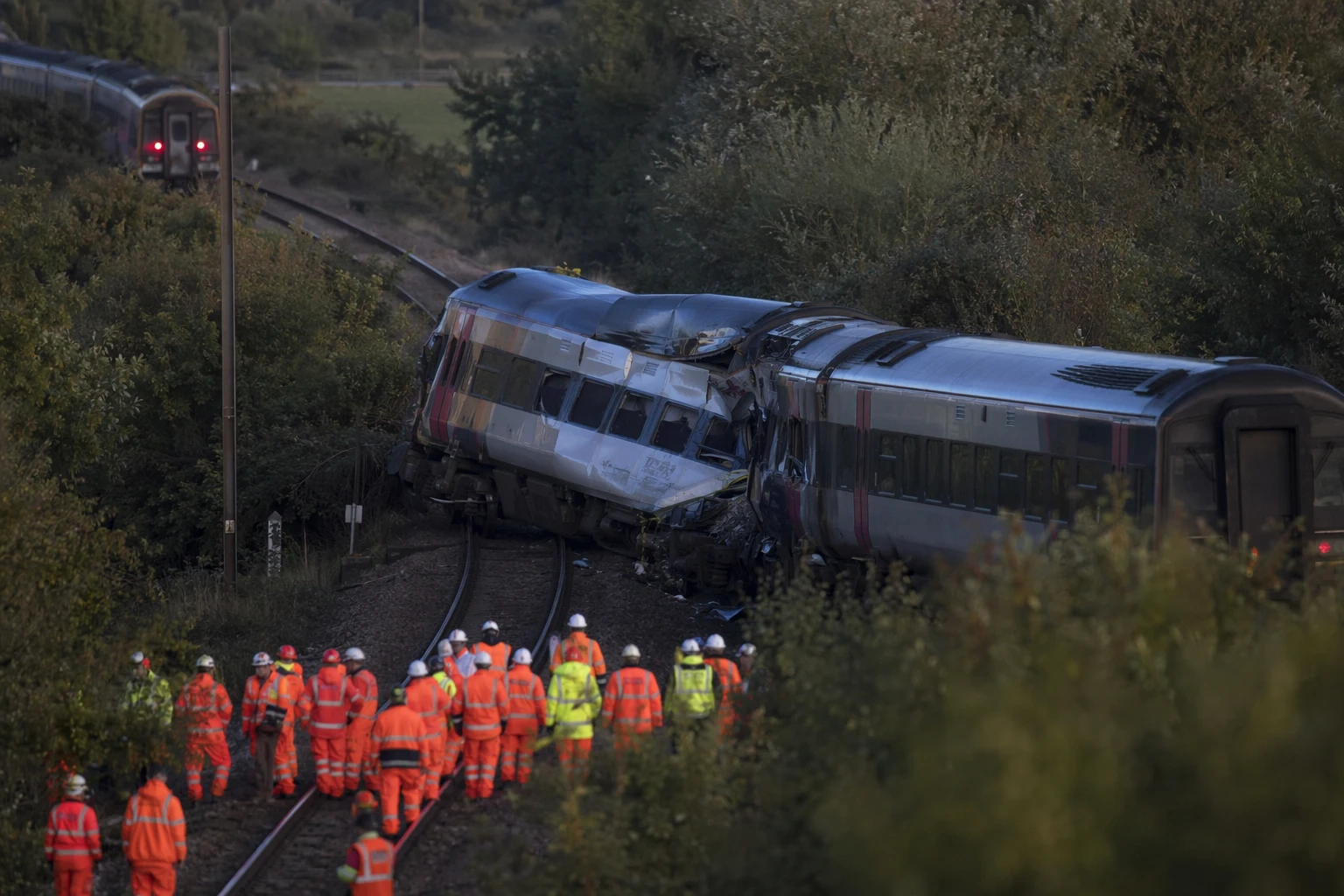
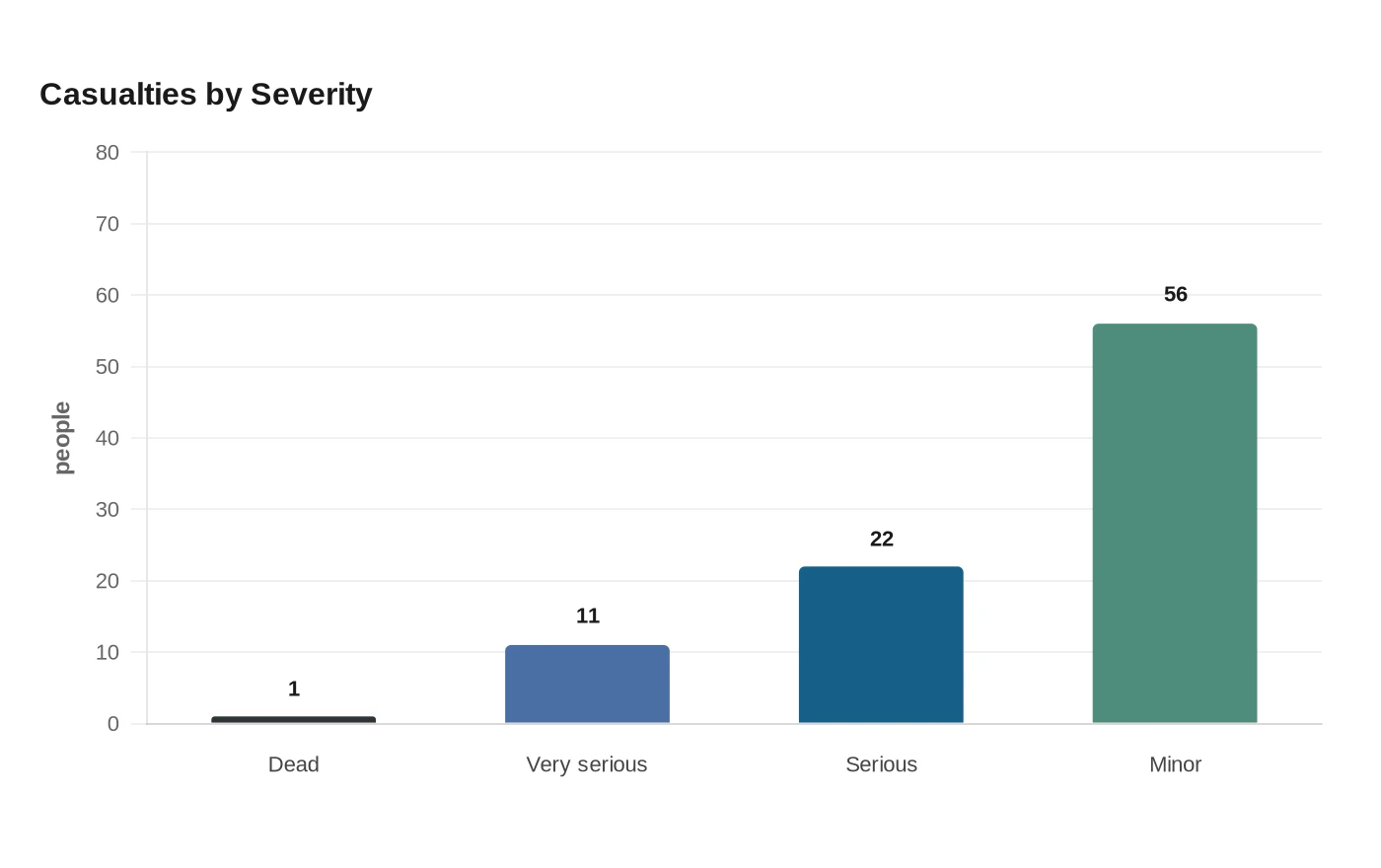
Emergency crews were confronted with a broad range of injuries. The East of England Ambulance Service said 11 people suffered very serious injuries, 22 were seriously injured and 56 had minor injuries. More than 20 ambulances, six air ambulances and specialist hazardous area response teams were sent to the scene, and the most seriously hurt patients were taken to hospital.
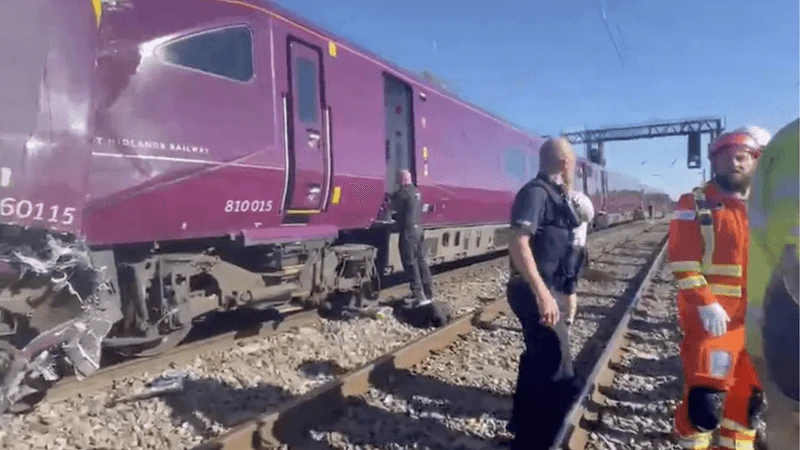
The pressure quickly spread to the wider health system. Bedford Hospital and Luton and Dunstable University Hospital told people to stay away from emergency departments unless they had a genuine medical emergency. East Midlands Railway said no services would run between Bedford and London for the rest of the day, cutting a key commuter and intercity corridor at the height of the evening peak.
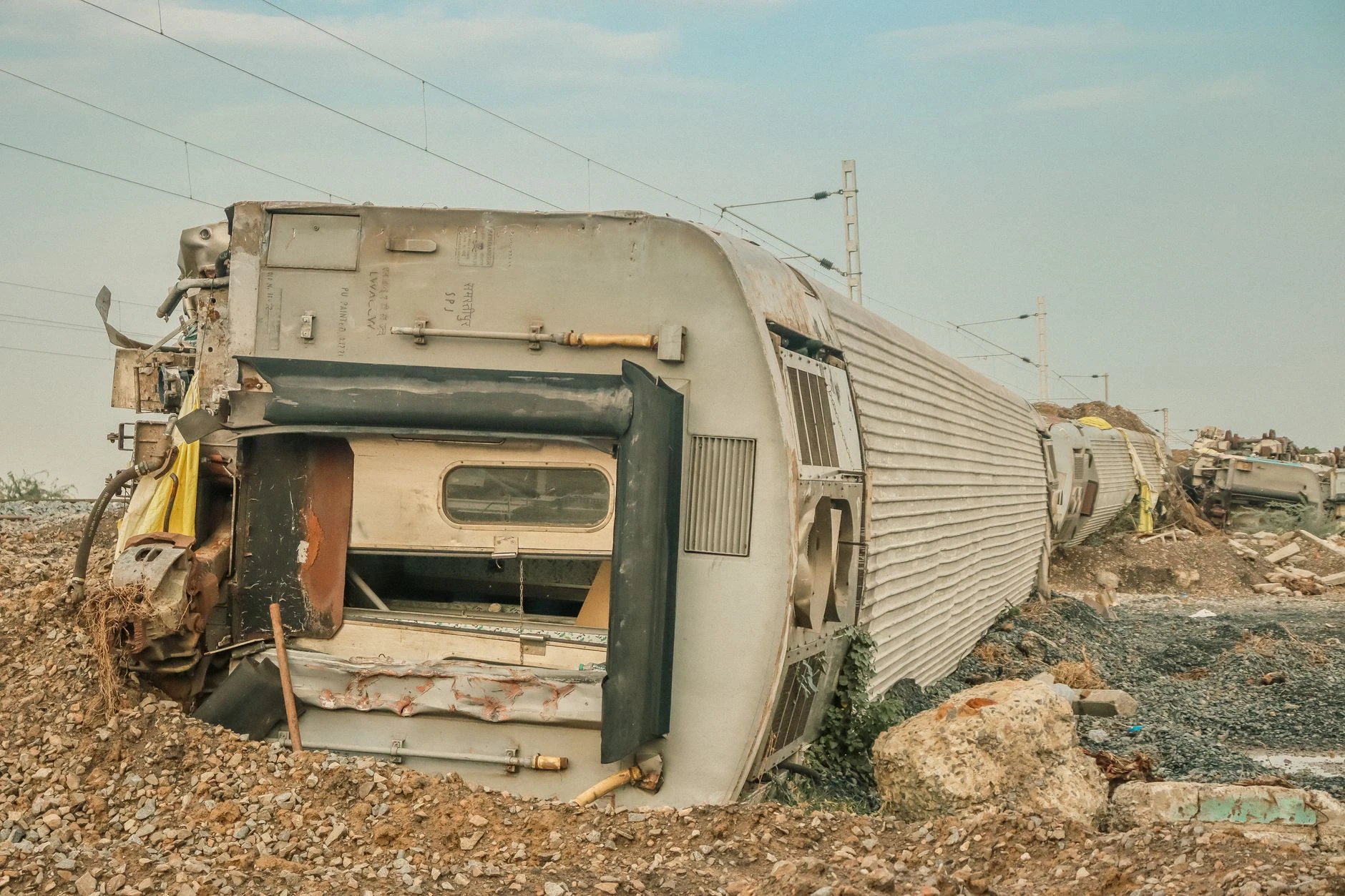
Passengers described a scene of violence, smoke and confusion inside the carriages. Teresa Itabor said she opened her eyes to see blood everywhere after a massive bang. Dr Peter Knapp said the impact felt like a bomb explosion and said people's bloodied faces and smoke were visible. Brett Byatt said everyone that was sat down went flying into one another, while Shola Mene said people flew from their seats and there was a lot of blood. One passenger said the front of the train was relatively intact but that a third carriage had derailed.
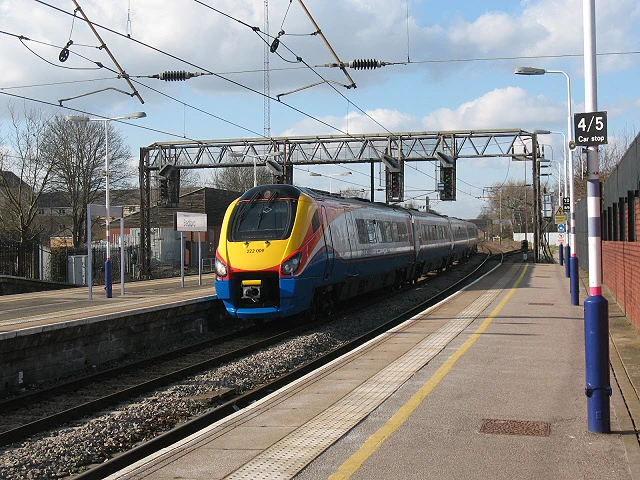
The first questions for investigators are likely to focus on why the trains came together, whether a warning or signalling issue played any role, and what sequence of events left one service stopped on the line. One report said the East Midlands train was believed to have stopped because of a fault with the Automatic Warning System, though the cause remained under investigation. Rail expert Phil Haigh called the crash unusual because train safety systems are normally very reliable, underscoring how rare such a failure is on a heavily used route.
Prime Minister Keir Starmer called the reports hugely concerning and thanked emergency services for their swift response. As the scene was secured and casualties were moved out, attention shifted from rescue to reconstruction, and to whether a warning sign was missed before two trains met on a route built to keep them apart.
Sources
- [1]bbc.com
- [2]yahoo.com
- [3]rte.ie
- [4]independent.co.uk
- [5]telegraph.co.uk