Politics
One year later, Trump tax law’s effects start to take hold
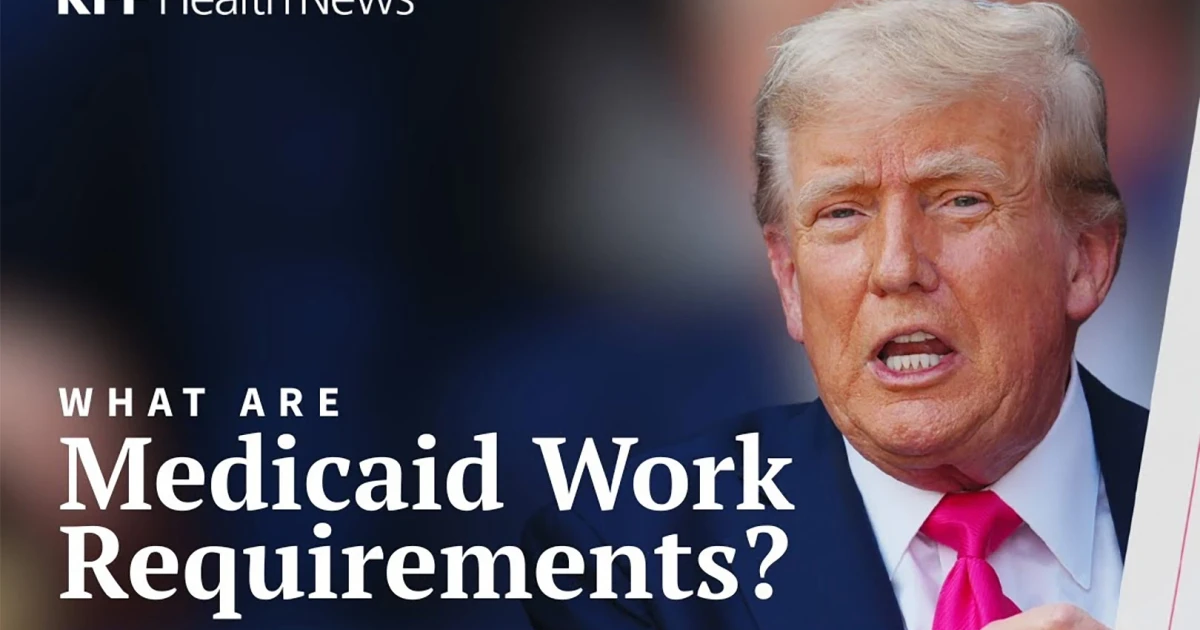
Federal Medicaid work requirements in the One Big Beautiful Bill Act are scheduled to take effect July 31, 2026, with states required to implement them by January 1, 2027. That makes the Medicaid clock one of the clearest signs that Donald Trump’s 870-page tax and spending law is moving from Capitol Hill fight to household reality, nearly a year after he signed it on July 4, 2025.
The political path was narrow and partisan. The Senate approved the package 51-50 on July 1, 2025, with Vice President JD Vance breaking the tie, and the House followed 218-214 two days later with no Democratic votes. Republicans and the White House sold the measure as a shield against a $4 trillion tax hike as 2017 tax cuts expired, while critics said it would shift the burden onto families who rely on federal help to pay for food, health care, and college.
The sharpest income split is showing up in the distributional numbers. A Congressional Budget Office and Joint Committee on Taxation analysis said the law reallocates resources across income groups, and later work from Brookings and the Center for American Progress described the overall effect as a transfer from working-class families to wealthy households and corporations. NBC’s accounting put the tradeoff bluntly: for every $1 cut from programs for low-income Americans, the wealthiest 1% receive about $1 back in tax breaks.

Supporters point to real household gains that are also now filtering into paychecks and tax returns. House Ways and Means Republicans say the law permanently extends and expands a doubled Child Tax Credit for more than 40 million families, preserves a higher standard deduction for 91 percent of taxpayers, and makes the 20% small-business deduction permanent. The 2026 filing season is the first full tax season shaped by those rules, so families will begin seeing the law’s practical effects in refunds, withholding, and phaseouts.
The spending side carries the heaviest losses for households near the bottom of the income scale. The Congressional Budget Office estimates the Medicaid provisions alone will reduce federal Medicaid spending by $911 billion over 10 years, and KFF says work requirements account for more than one-third of those savings. KFF also projects the Medicaid changes will help drive a 10 million increase in the uninsured by 2034, including 5.3 million tied directly to work requirements. Student loan borrowers face their own staggered overhaul: Federal Student Aid says some changes took effect immediately after the law was signed, while others start in 2026 and later.
Industry winners and losers are already easier to spot. Clean energy developers lost wind and solar credits, while incentives for geothermal, advanced nuclear, and grid-scale storage survived. By 2027, the law’s biggest consequences will no longer be theoretical. They will be embedded in state Medicaid systems, family tax returns, student loan bills, and the business plans of industries that won or lost under the new rules.
Sources
- [1]cbsnews.com
- [2]lasvegassun.com
- [3]cbo.gov
- [4]kff.org
- [5]studentaid.gov
- [6]whitehouse.gov