World
Online missing-person lists grow after deadly Venezuela earthquakes
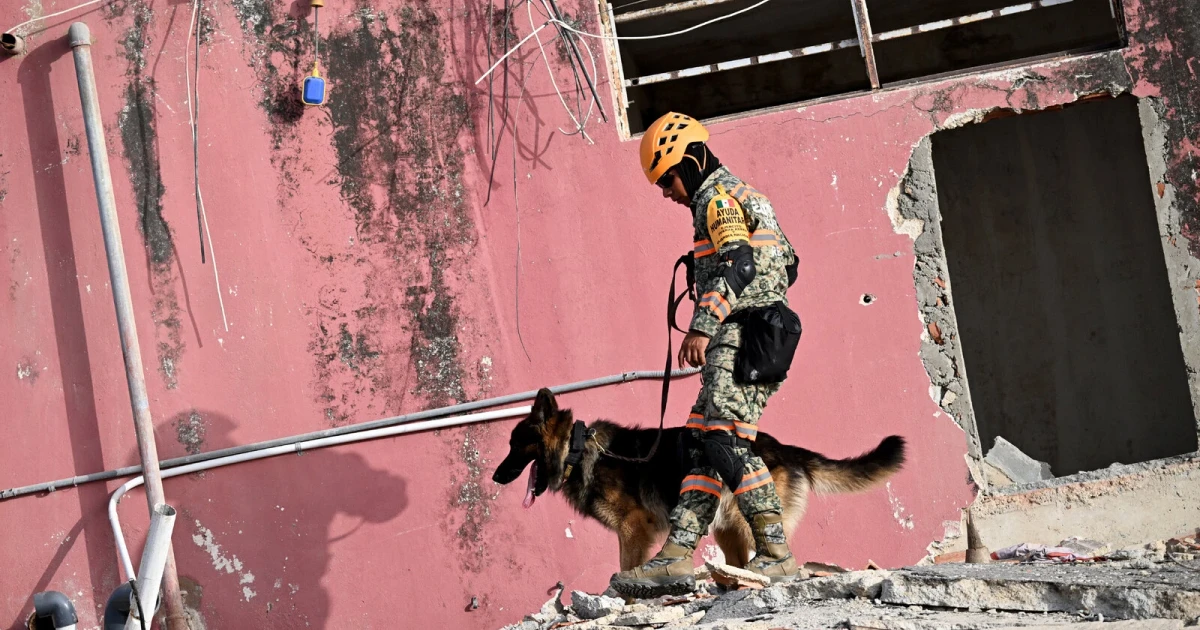
Online missing-person lists swelled after twin earthquakes left Venezuela scrambling to account for survivors, the dead and the unreturned. The first shock, a magnitude 7.2, struck on June 24, 2026, and a larger magnitude 7.5 quake followed 39 seconds later, hitting west of Caracas and shaking La Guaira, Caracas, Miranda and coastal neighborhoods including Catia La Mar.
The human toll was severe enough that international agencies moved quickly. UN OCHA coordinated relief from 27 countries, sending more than 2,200 rescuers and 140 search dogs. UNICEF said 1.8 million people needed humanitarian assistance, including 680,000 children. Tom Fletcher, the UN emergency relief coordinator, said an estimate of 50,000 people still missing was “terrifyingly plausible.”
The scale of the destruction helped explain why residents turned to the internet. The International Rescue Committee said 12,721 people were displaced, 774 buildings collapsed and the national water system failed across seven states. In the port area of Catia La Mar, satellite mapping showed nearly a third of buildings damaged. U.S. officials said the U.S. Geological Survey issued red PAGER alerts for both quakes, a warning that pointed to probable high loss of life and extensive damage, and the State Department said it was deploying a regional Disaster Assistance Response Team and urban search-and-rescue personnel.
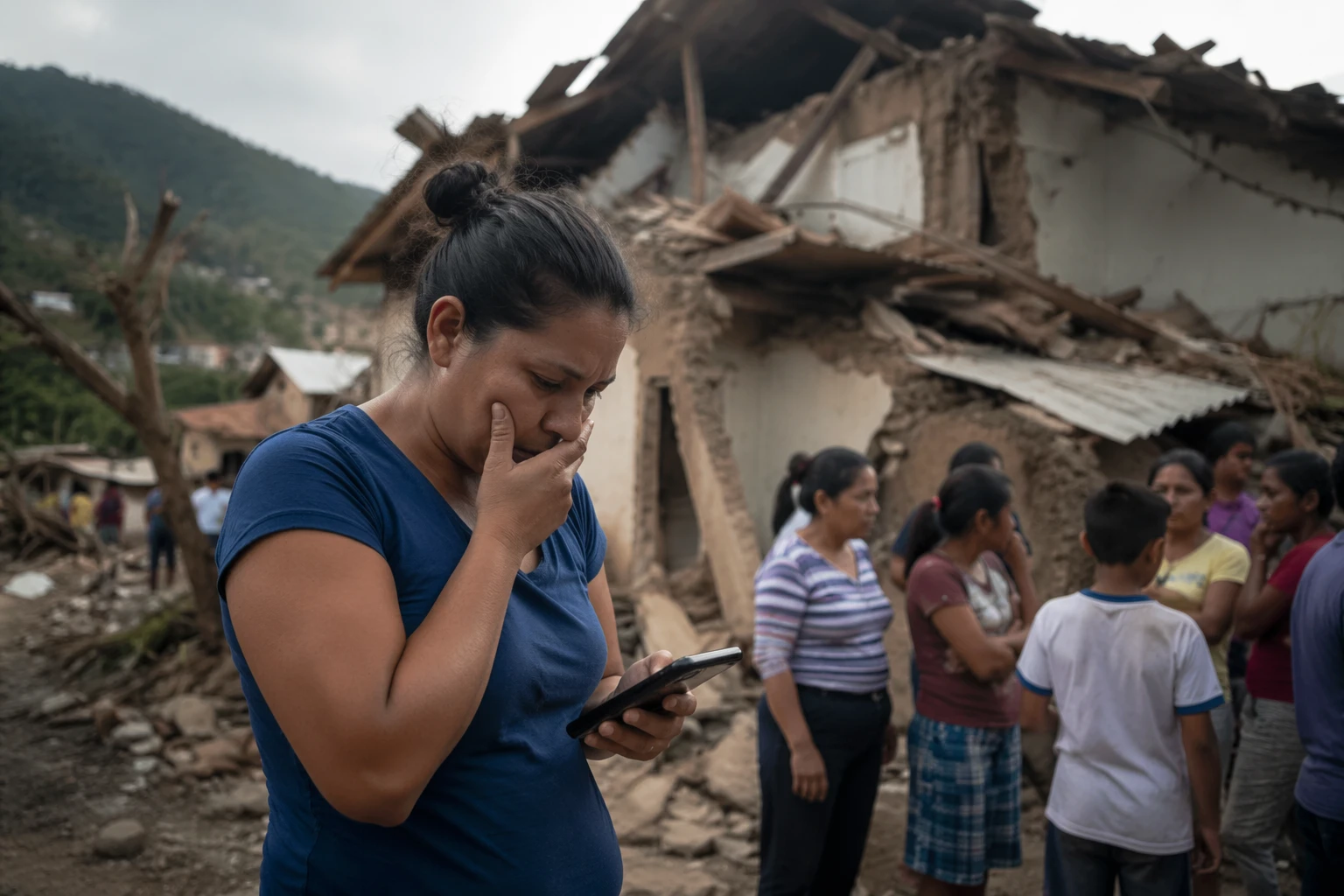
With communications patchy and official statistics sparse, social media and online registries became a parallel accounting system for families and volunteers inside Venezuela and abroad. Venezuela Reporta, one of the best-known community efforts, describes itself as a free registry to report a missing person, confirm someone is safe, or log someone seen or found. Venezuela Te Busca emerged as another public registry after the earthquakes, adding to a fast-growing collection of names that often overlapped.
That overlap exposed the weakness in a crowd-built system that was also becoming indispensable. By late June and early July, missing-person counts circulating across platforms and outlets ranged from tens of thousands to more than 46,000, and some lists showed more than 41,000 still unaccounted for. The spread of the totals reflected the difficulty of verifying names, removing duplicates and separating confirmed cases from hopeful leads in a disaster that was still unfolding along Venezuela’s northern coast.
Sources
- [1]nytimes.com
- [2]news.un.org
- [3]state.gov
- [4]rescue.org
- [5]apnews.com
- [6]venezuelareporta.org
- [7]venezuelatebusca.com