Business
OpenAI Discontinues Sora AI Video Tool Amid Industry Shifts
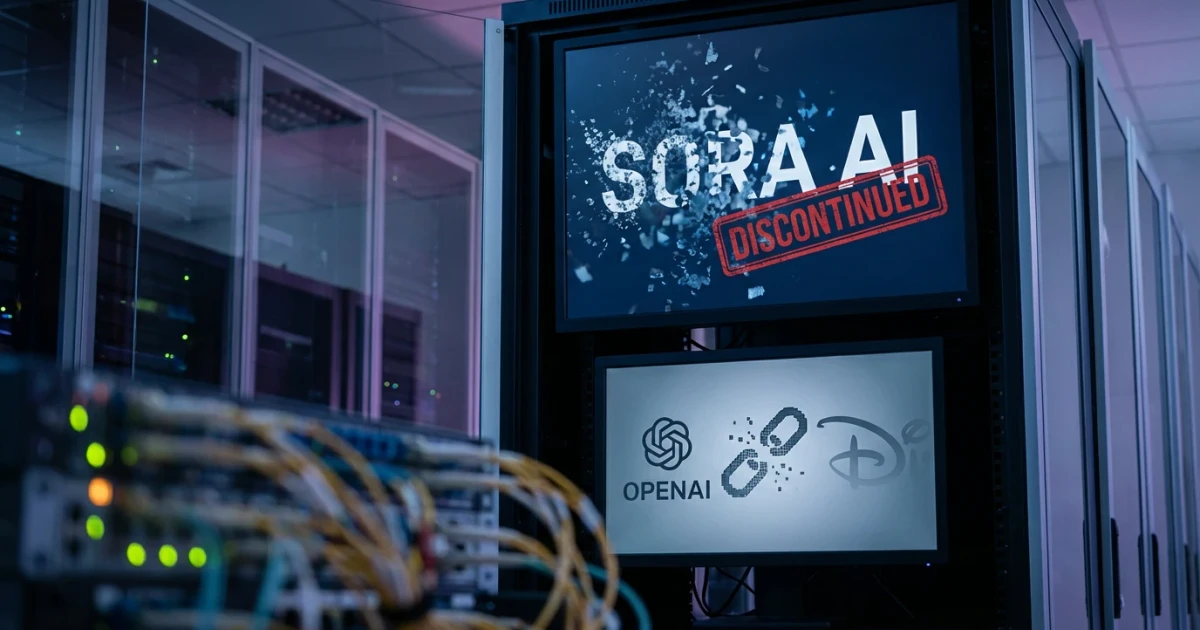
OpenAI has announced the immediate discontinuation of its Sora AI video generator, an unexpected move that has sent ripples through the technology and entertainment industries. The abrupt decision was confirmed late Tuesday, prompting major partners such as Disney to withdraw from their collaborations with the AI giant.
OpenAI's Sora Comes to an End
The news, first reported by The Guardian, marks a sudden conclusion for Sora, OpenAI’s advanced text-to-video platform. Sora, which had been showcased as a major leap in AI video generation, allowed users to create hyper-realistic video content from simple text prompts. The technology received widespread attention for its technical capabilities and potential to reshape creative workflows in film, advertising, and media.
OpenAI did not provide a detailed explanation for the shutdown in its public announcement. The company’s decision came as a surprise to both industry watchers and enterprise clients who had integrated Sora into their production pipelines.
Industry Response and Disney’s Exit
One of the most immediate consequences of Sora’s closure was the exit of Disney from its partnership with OpenAI. As reported by The Hollywood Reporter, Disney had been exploring Sora’s capabilities for content creation and visual effects. Following the shutdown, Disney confirmed it would no longer pursue joint initiatives with OpenAI in this area.
- Disney was among several studios and media companies testing Sora for rapid prototyping and special effects generation
- Other partners in entertainment and advertising have also begun reevaluating their relationships with AI video providers in the wake of the announcement
What Made Sora Significant
Sora’s launch was widely regarded as a milestone in generative AI. According to OpenAI’s safety documentation, the platform incorporated advanced safeguards to mitigate risks of misuse, including content filtering and watermarking. Industry analysis, such as that found on Papers With Code, highlighted Sora’s competitive performance against other leading video generation models.
- Sora could generate high-definition videos up to 60 seconds long from text descriptions
- It featured innovations in scene consistency and motion realism
- OpenAI published extensive research on Sora, including peer-reviewed papers detailing its architecture and safety mechanisms
Broader Implications for AI Video Tools
Sora’s discontinuation has raised questions about the future of AI video generation platforms. With the global AI video generation market projected to grow rapidly, OpenAI’s exit from this segment leaves space for competitors and may prompt a reevaluation of safety, ethics, and commercial viability in this domain.
While OpenAI has not specified whether safety concerns, regulatory challenges, or strategic realignment prompted the shutdown, the move underscores the volatility of the AI sector and the challenges of balancing innovation with risk management. Industry analysts expect to see other major players adapt their strategies as the market reacts to OpenAI’s withdrawal from generative video tools.
Looking Ahead
The sudden end of Sora serves as a reminder of the complex environment surrounding advanced AI technologies. As organizations reassess their investments in generative video, the episode highlights both the promise and unpredictability of rapid AI innovation. For curious readers, examples of Sora’s capabilities and its technical legacy can still be explored in archived demonstrations and research publications.