Technology
OpenAI enterprise AI sales chief Barret Zoph departs after five months

OpenAI’s push to turn enterprise AI into a dependable revenue engine took another hit when Barret Zoph, the executive tapped to lead enterprise AI sales, departed after about five months back at the company. The move comes as OpenAI is trying to convince large customers that its technical momentum can be matched by a stable sales operation, tighter controls, and a clear business strategy.
Zoph returned to OpenAI in mid-January 2026 after serving as co-founder and CTO of Thinking Machines Lab, the rival company founded by former OpenAI chief technology officer Mira Murati. OpenAI assigned him to lead its enterprise sales effort soon after he came back. Other reports have said Luke Metz and Samuel Schoenholz also left Thinking Machines Lab and returned to OpenAI around the same period, highlighting a talent cycle that has become part of the rivalry between the two companies. OpenAI confirmed that Zoph will depart, but no public explanation has been given.

The exit lands at a moment when OpenAI has been making enterprise one of its central business bets. In an April 8, 2026 note titled The next phase of enterprise AI, Chief Revenue Officer Denise Dresser laid out the company’s case for the corporate market. OpenAI has also said it wants to focus on core revenue drivers such as enterprise and coding rather than nonessential bets as it looks ahead to a planned IPO. On June 18, 2026, the company launched new enterprise spend controls and usage analytics, part of a broader effort to make its products easier for companies to govern at scale. OpenAI has also cited a survey of 9,000 workers across nearly 100 enterprises to show how businesses are adopting AI.
For customers and partners, repeated turnover at the top of sales can raise a different question than product quality: whether the company can build the institutional muscle to sell, support, and retain major accounts as quickly as it builds new models and features. That matters in enterprise software, where buyers want continuity in relationships, predictable implementation, and clear escalation paths.
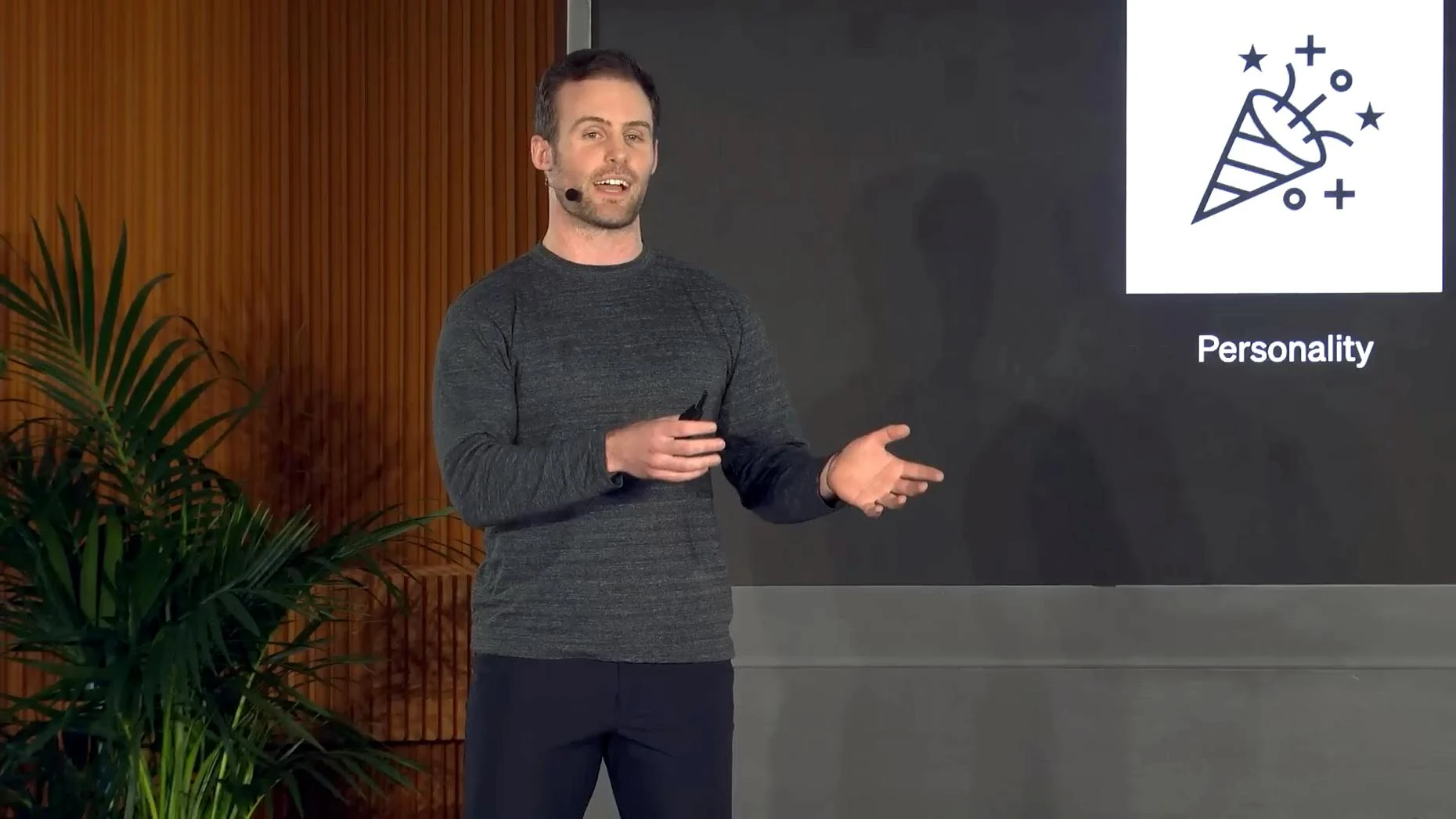
Thinking Machines Lab has emerged as a formidable counterpoint. Murati launched the company after leaving OpenAI in September 2024, and it has since raised $2 billion in seed funding at a $12 billion valuation. Fortune reported in 2026 that the startup’s staff had grown to more than 150, about four times its launch size. It has also publicly announced Tinker, an OpenAI API-compatible training API, and a June 2026 partnership with NVIDIA to deploy at least one gigawatt of NVIDIA Vera Rubin systems. Against that backdrop, Zoph’s exit signals that OpenAI’s enterprise challenge is not just technical competition, but organizational durability.
Sources
- [1]theverge.com
- [2]openai.com
- [3]thinkingmachines.ai
- [4]fortune.com