Technology
OpenAI plans screenless smart speaker as first hardware device

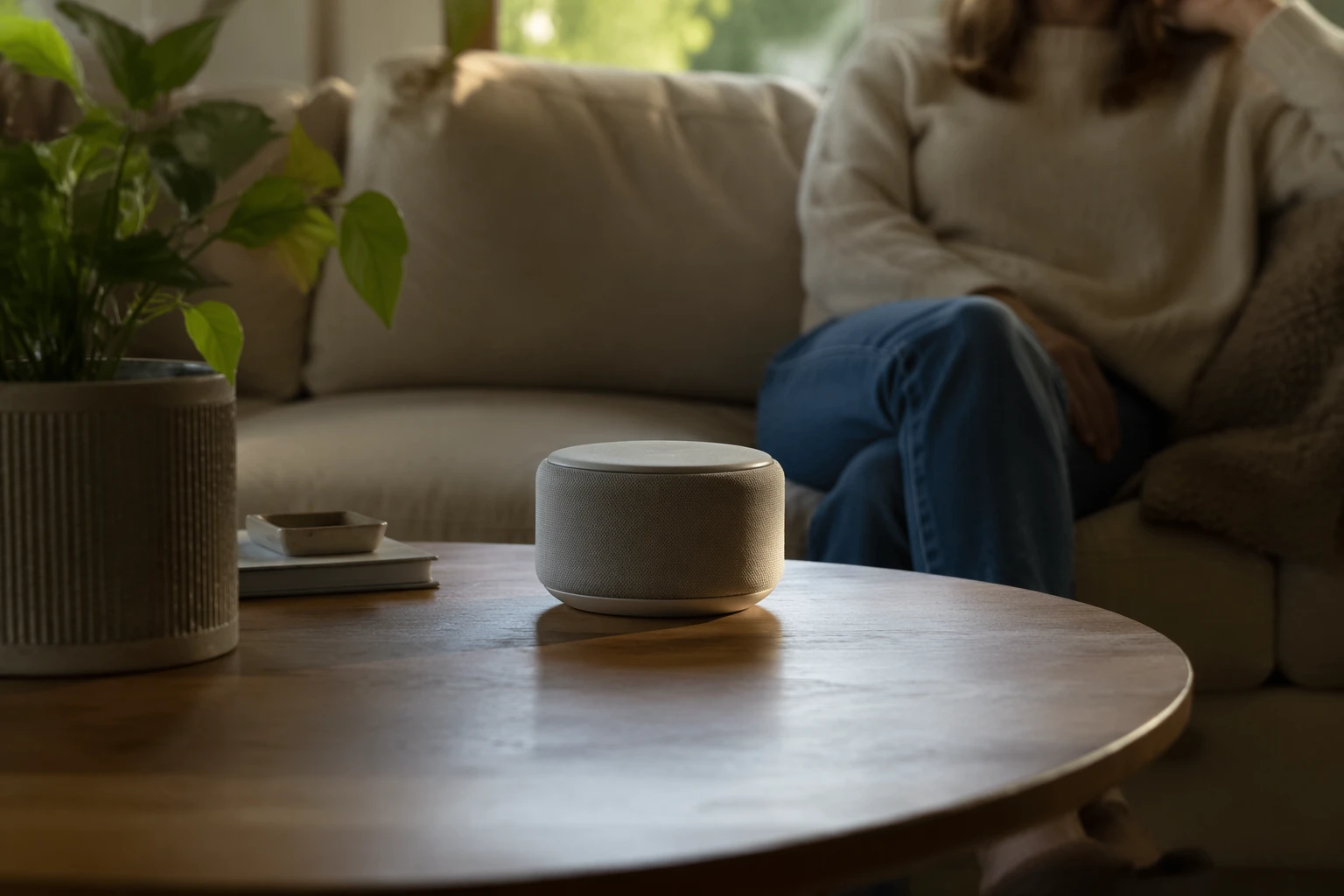
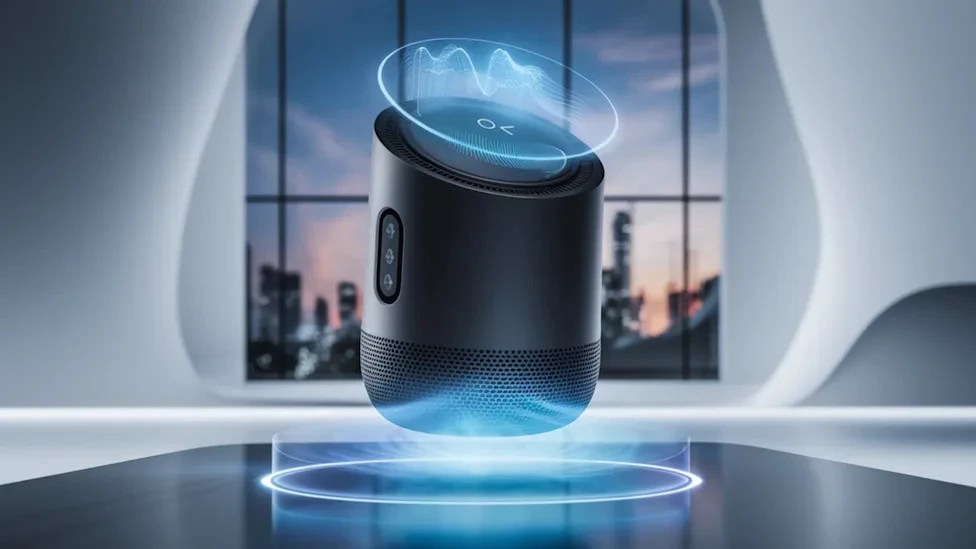
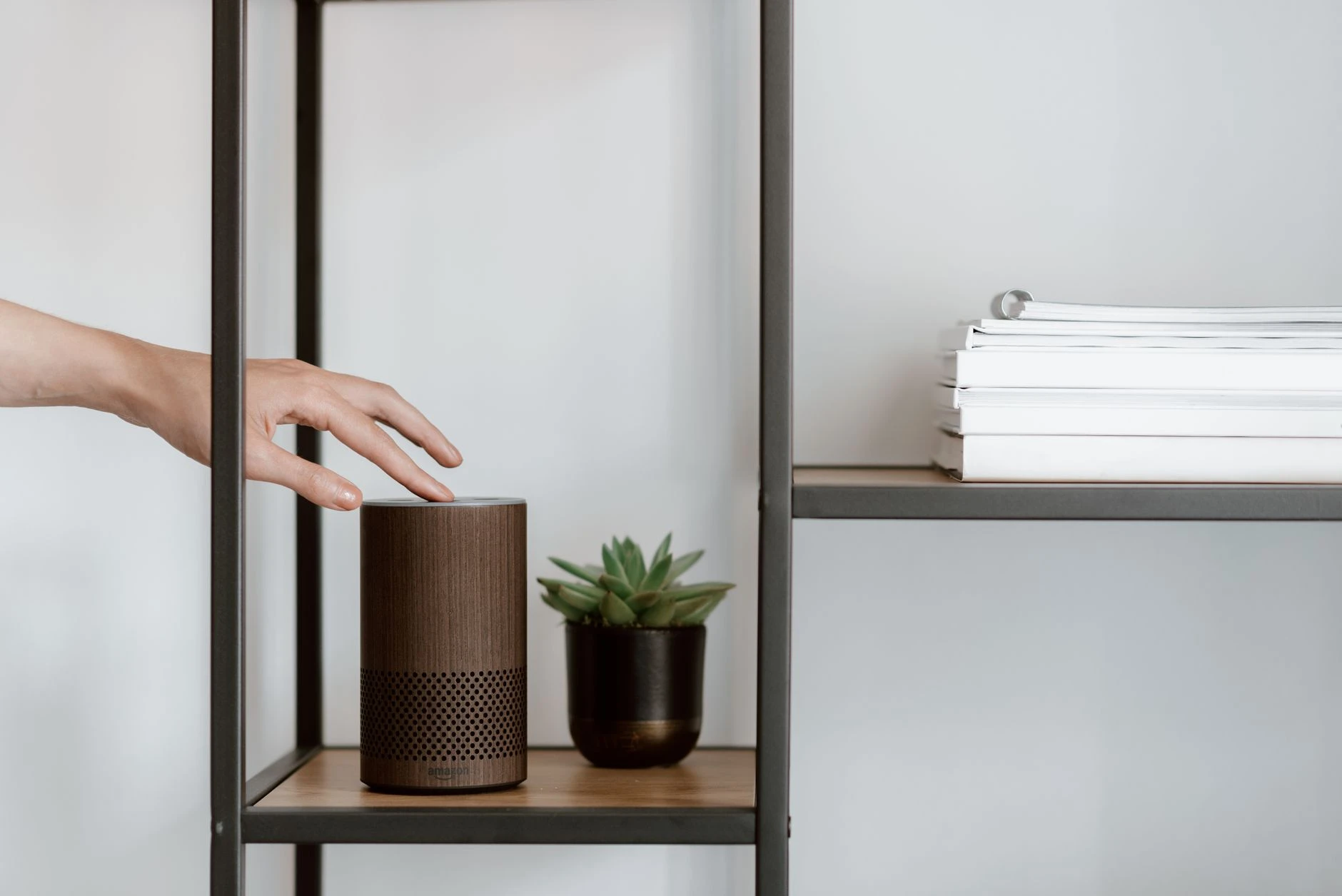
OpenAI’s first hardware product is a screenless smart speaker built to let people talk with ChatGPT and to read a room with a camera and additional sensors. The design pushes OpenAI directly into the home interface battle already dominated by Apple, Amazon and Google, where voice control, ambient listening and device loyalty determine who owns the next daily touchpoint.
The device is movable and screenless, and OpenAI wants to frame it as an AI companion rather than a conventional speaker. A voice-first device would give OpenAI a physical foothold in kitchens, bedrooms and living rooms, places where a conversational assistant can become more embedded than a phone app and more persistent than a browser tab. A speaker that constantly listens, interprets surroundings and responds in real time promises convenience, but the same always-on design can make surveillance concerns impossible to ignore.
Apple filed a lawsuit against OpenAI days before the hardware details emerged, accusing the company and two former Apple employees of misappropriating trade secrets tied to OpenAI’s consumer-hardware push.
In May 2025, OpenAI and Jony Ive’s io Products merged in an all-equity deal valued at about $6.5 billion, and Ive and LoveFrom took on deep design and creative responsibilities across the company. In January 2025, OpenAI announced the Stargate Project and said it intended to invest $500 billion over four years in AI infrastructure in the United States. In June 2026, OpenAI and Broadcom unveiled an LLM-optimized inference chip, extending the push from models and data centers into the hardware stack itself.
In February 2026, Canada asked OpenAI to present concrete safety steps after a ChatGPT user was linked to a mass shooting case.
Sources
- [1]theverge.com
- [2]bloomberg.com
- [3]finance.yahoo.com
- [4]openai.com