Technology
OpenAI shuts down ChatGPT Atlas, shifts browsing tools into ChatGPT
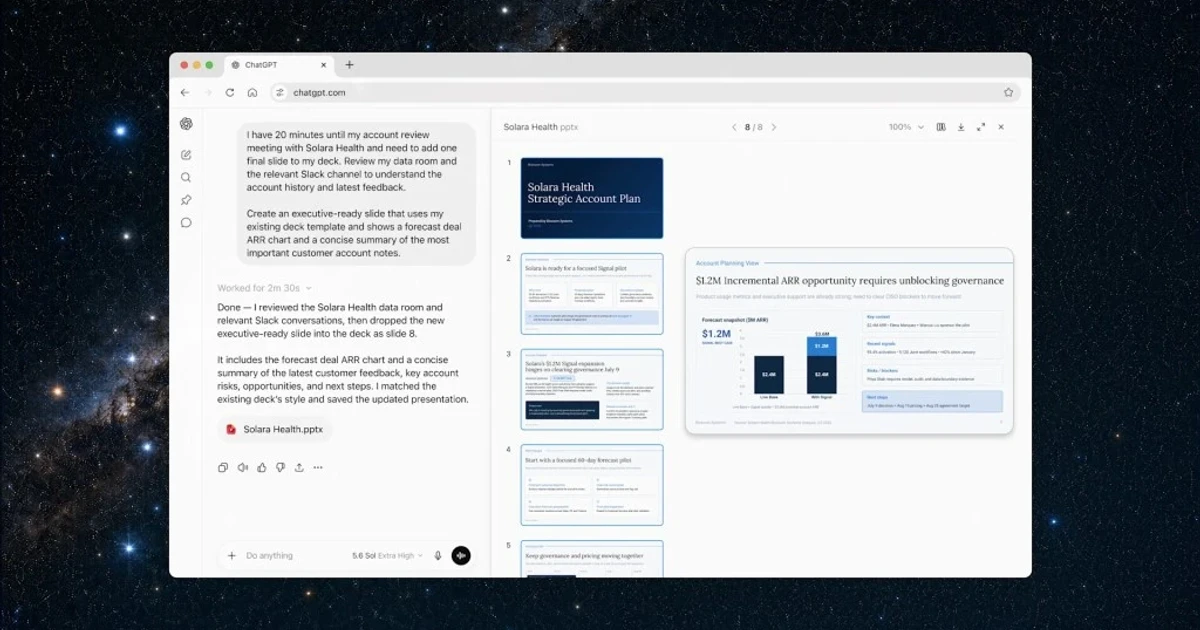
OpenAI will shut down ChatGPT Atlas on August 9, 2026, and move its browser-based agent tools into ChatGPT, Codex, and a Chrome extension instead of keeping them in a standalone browser. The company says users should export bookmarks and save important pages before the cutoff because bookmarks, open tabs and browser history may not transfer automatically.
Atlas launched on October 21, 2025 as a macOS browser built around ChatGPT, with browser memories and an agent mode that could research, automate tasks, plan events and book appointments while people browsed. OpenAI had initially said the product would come to Windows, iOS and Android soon, but is now reworking the product line around the ChatGPT desktop app and Chrome rather than building Atlas out as an independent browser.
In its help center, OpenAI said it is "evolving Atlas into ChatGPT for browser-based agentic work" and deprecating the browser. The company says the desktop app will gain multiple tabs, downloads, improved navigation and account login support where available, while the Chrome extension or sidebar will handle browser help inside Chrome. That shift keeps the core behavior intact, but moves it into software OpenAI already sees as the center of its user experience.
The decision fits a broader push under Fidji Simo, who joined OpenAI as CEO of Applications in 2025 as the company increasingly presented itself as a global product company serving hundreds of millions of users. On July 9, 2026, OpenAI introduced ChatGPT Work, which it described as an agent in ChatGPT that can take action across apps and files and create finished documents, spreadsheets, presentations, reports and Sites.
OpenAI is also leaning on Codex as a distribution point for more ambitious automation. The company says more than 5 million people use Codex every week, and more than 1 million use it outside software development. That makes Atlas look less like a failed browser bet than an early test bed: OpenAI says it is building on what it learned from Atlas while shifting the browsing experience into ChatGPT itself, where it can sit beside work tools, app actions and the company’s larger agent strategy.
Sources
- [1]techcrunch.com
- [2]help.openai.com
- [3]openai.com
- [4]theverge.com