Technology
OpenAI teases physical Codex device for AI coding shortcuts
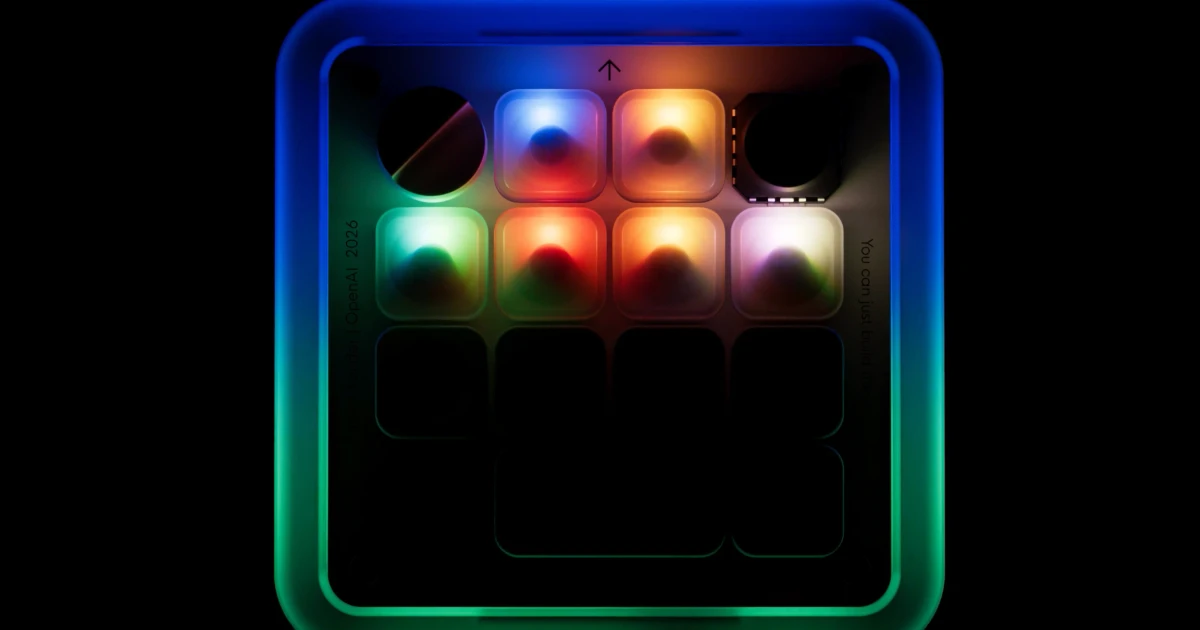
OpenAI teased a square-shaped Codex device with several buttons and a July 15 release date, suggesting the company wants to turn its coding shortcuts into something users can hold and press instead of just trigger on a screen. The caption on the video, “Your favorite Codex shortcuts are getting an upgrade,” pointed directly at the product’s shortcut-heavy workflow.
Codex is OpenAI’s coding agent for software development, but the company has steadily pushed it beyond a simple assistant. Its product docs now describe Codex as a command center for agentic coding, with built-in worktrees and cloud environments, and the desktop app runs on macOS and Windows. OpenAI’s documentation also shows a dense shortcut surface built around keyboard shortcuts, slash commands and IDE key bindings, including commands such as /plan, /goal, /init and /mcp.
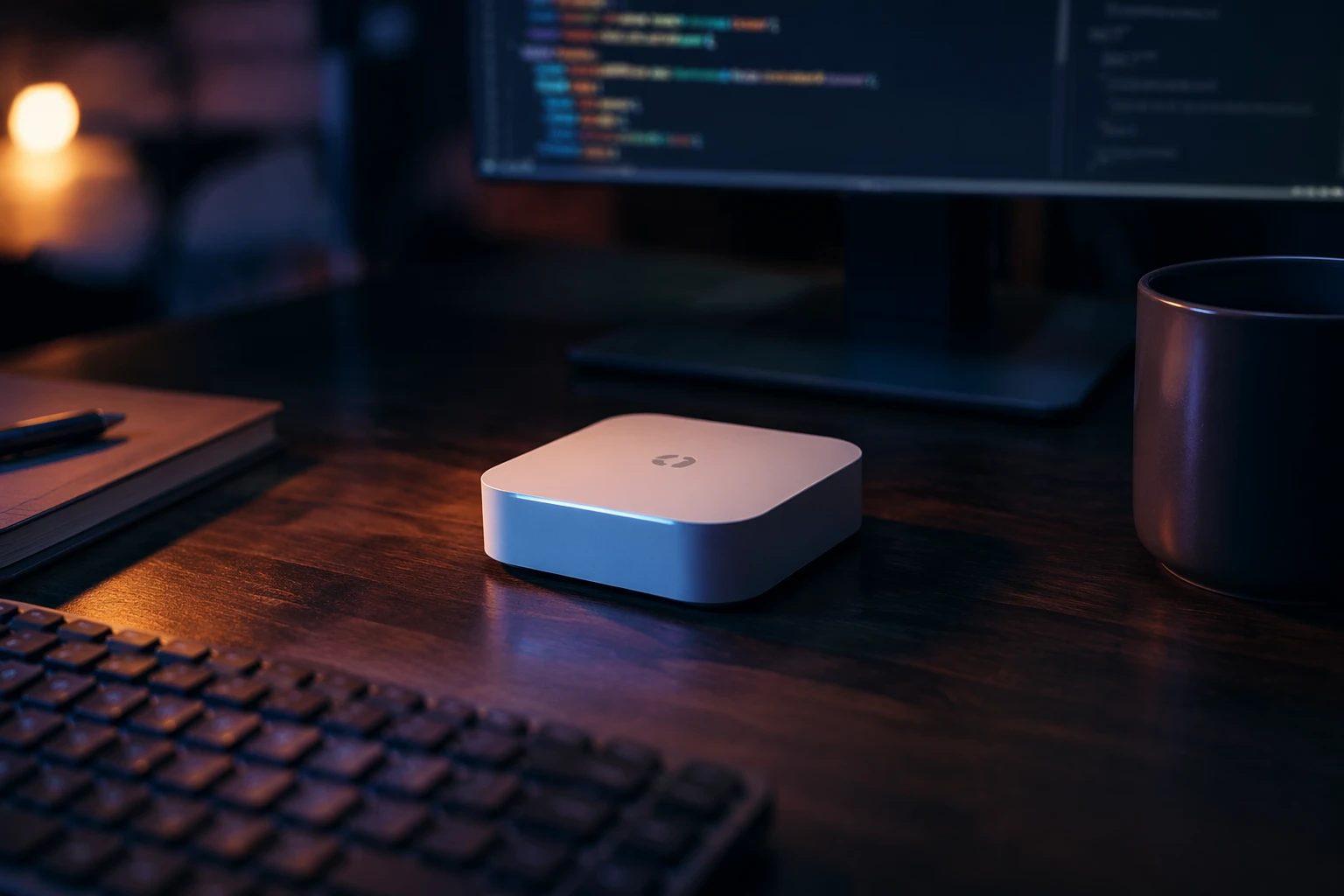
That makes the hardware teaser easier to read: if Codex already depends on fast command input, a dedicated device could package those actions into physical controls for developers working across apps, terminals and editors. OpenAI has not publicly explained the device, but the visual of a small square unit with buttons fits a product designed to speed repeated coding actions rather than replace the full desktop experience.
The timing matters because Codex has moved quickly from experiment to a much larger platform. OpenAI launched it as a research preview on May 16, 2025, describing it as a cloud-based software engineering agent that could work on many tasks in parallel. It later said Codex became generally available and added a Slack integration, a Codex SDK and admin tools including usage dashboards and workspace management.
OpenAI says Codex is powered by codex-1, a version of OpenAI o3 optimized for software engineering, and the company says the product now has more than 5 million weekly active users. OpenAI also says non-developers make up about 20 percent of those users and are growing more than three times as fast as developers, a sign that the company is already treating Codex as a broader productivity layer rather than a tool for programmers alone.
The teaser also lands as OpenAI continues its separate hardware push with Jony Ive’s io, a different AI device effort that remains tied up in a trademark fight with Iyo. Taken together, the Codex teaser and the io deal show OpenAI testing two hardware paths at once: one aimed at consumer AI form factors, the other at the daily mechanics of software development.
Sources
- [1]theverge.com
- [2]openai.com
- [3]developers.openai.com