Technology
OpenClaw brings open-source AI assistant to iPhone and Android
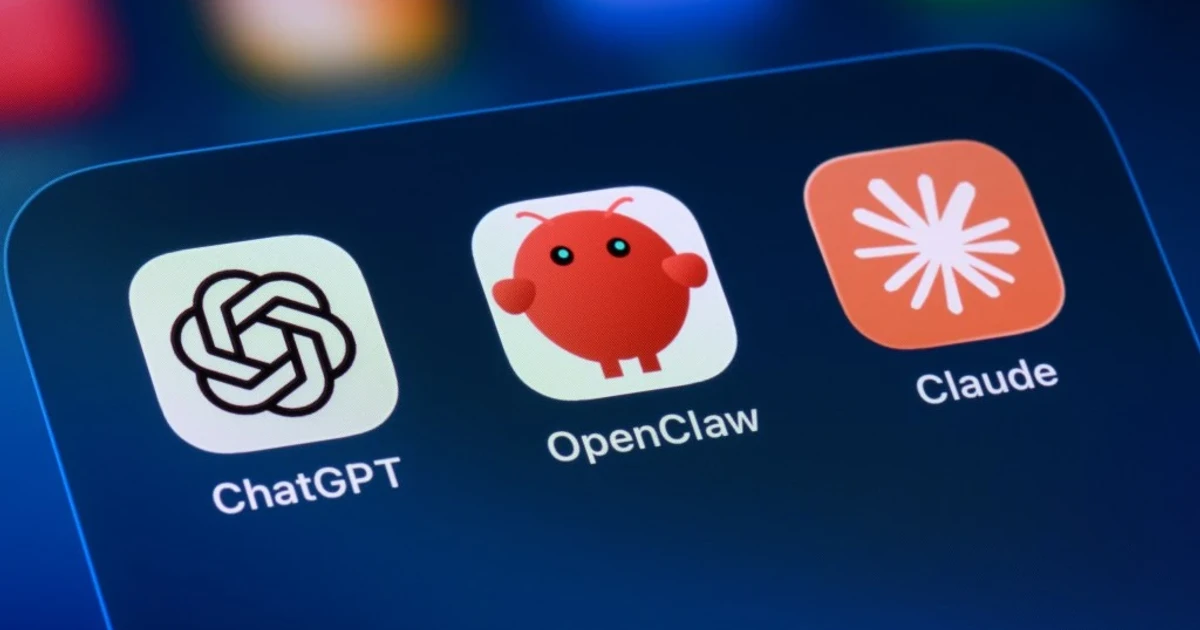
OpenClaw took its open-source AI assistant to iPhone and Android on Tuesday, June 30, 2026, with native mobile apps that extend a self-hosted system built around a Gateway running on the user’s own setup. The pitch is simple and pointed: keep the assistant off big tech clouds, while still making it useful on a phone.
The project’s documentation says the Gateway acts as the control plane, connecting chat apps and channel surfaces including Discord, Google Chat, iMessage, Matrix, Microsoft Teams, Signal, Slack, Telegram, WhatsApp and Zalo. OpenClaw says the mobile apps let people chat with the assistant, use voice features, approve actions and automations, and trigger device-aware behavior from a phone.
On Android, the official app is available through Google Play, but it is not a standalone host. OpenClaw describes it as a companion node that requires a running Gateway. The iOS app is built as a mobile node surface, and the documentation says it exposes iPhone capabilities through commands such as canvas, camera, screen, location and talk. It also forwards relay-backed registration to the paired Gateway so push notifications and wake events can reach the device.

The launch pushes on a privacy-versus-convenience fault line that has defined mobile AI from the start. OpenClaw is aimed at users who want the convenience of a phone assistant without handing more data to the dominant platforms that usually power them. The tradeoff is that the system asks for more setup than a conventional app, and that tension will decide whether OpenClaw feels like a real alternative or a niche tool for technically comfortable users.
The project has been through two earlier identities, first Clawdbot and then Moltbot, before settling on OpenClaw. Its launch blog says trademark searches came back clear, domains had been purchased and migration code had been written before the rename. On GitHub, OpenClaw describes itself as a personal AI assistant you run on your own devices, and the repository count has climbed to 78, a sign of strong community attention around the broader open-source agent wave.
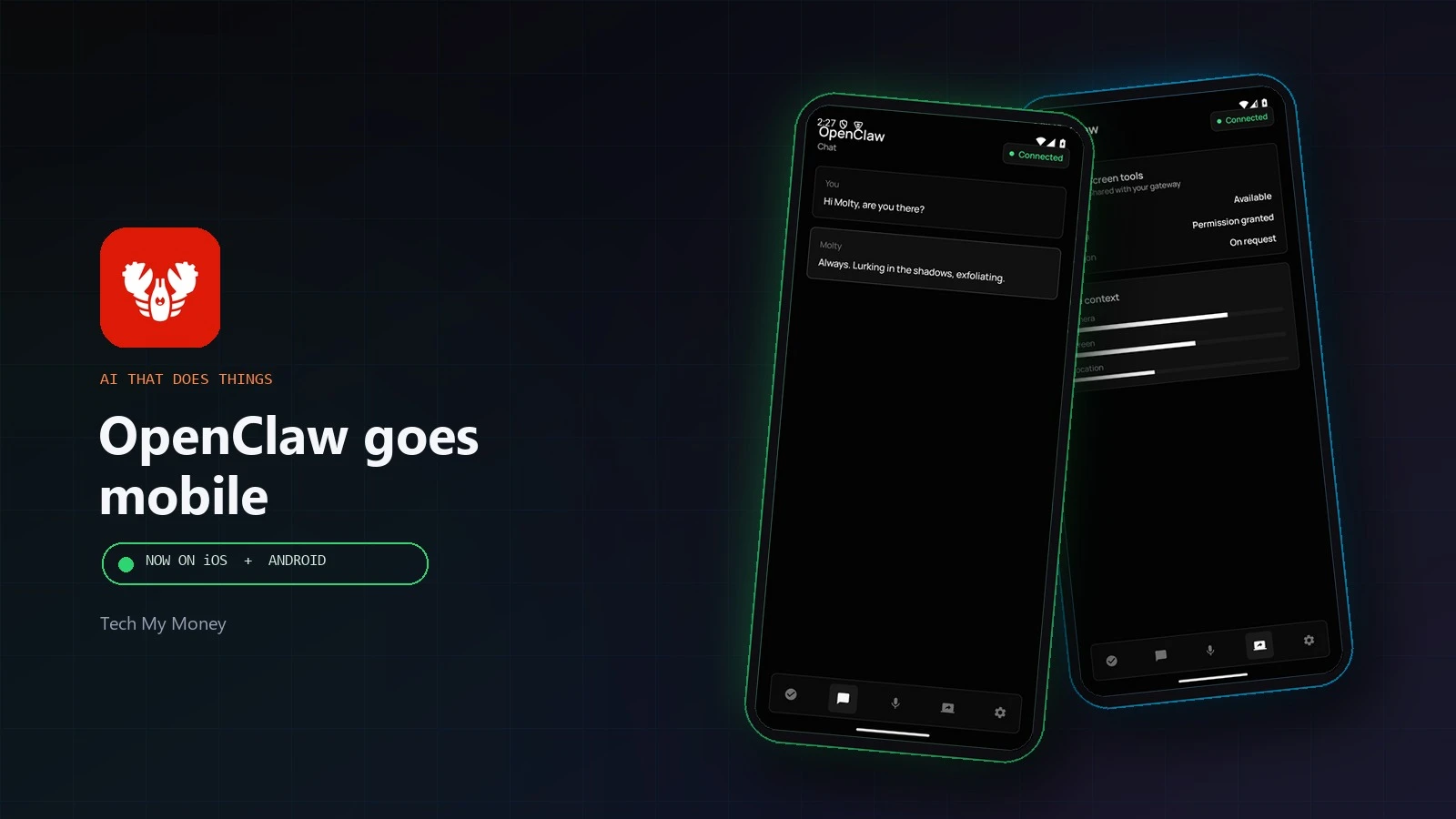
Early reaction to the mobile release was enthusiastic but mixed. Reviewers called the launch long-awaited, while also pointing to rough edges, buggy behavior and a pairing process that still needs polish. That leaves OpenClaw in a familiar place for open-source software crossing into the mainstream: ambitious, privacy-forward and genuinely mobile, but still being tested against the everyday expectations of ordinary phone users.
Sources
- [1]techcrunch.com
- [2]openclaw.ai
- [3]docs.openclaw.ai
- [4]github.com
- [5]androidauthority.com
- [6]9to5mac.com
- [7]9to5google.com
- [8]neowin.net