Entertainment
Opera in Concert Boosts Orchestras and Singers
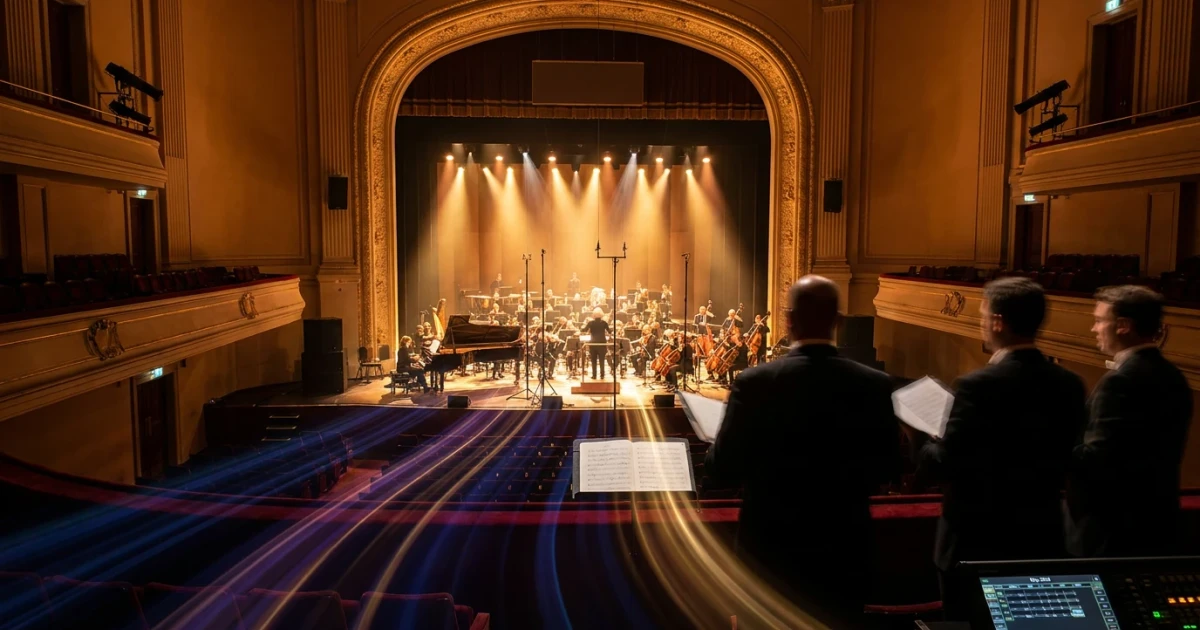
Opera in concert is gaining momentum as a vital format for orchestras and singers, providing unique artistic and professional advantages. The New York Times reports that this approach—presenting operas without full staging—has opened new possibilities for both musicians and vocalists across the classical world.
Expanding Artistic Repertoire and Audience Reach
Orchestras benefit from opera in concert by broadening their repertoire. Without the constraints of elaborate sets and costumes, ensembles can perform works that might be too costly or complex to stage traditionally. This flexibility encourages programming of rarely heard operas and diverse composers, allowing audiences to experience a wider range of classical music. According to Operabase statistics, there is a growing trend of orchestral participation in opera productions, with frequency and variety increasing globally.
- Ensembles can feature larger casts and chorus, utilizing their full musical strengths.
- Concert formats often attract audiences who prefer music-centric performances.
- Opera in concert can be more affordable for both presenters and attendees.
Data from the U.S. National Endowment for the Arts shows that orchestral involvement in opera is correlated with higher attendance figures, suggesting that concert versions help draw new listeners and retain loyal patrons.
Singers Find New Opportunities to Shine
For vocalists, opera in concert is an important platform for career development and artistic expression. Singers can tackle roles that may be physically demanding or rarely staged, expanding their repertoire in front of live audiences. The New York Times notes that these performances allow vocalists to focus on musical interpretation and vocal technique, free from technical staging demands.
- Artists can perform challenging roles earlier in their careers.
- Concert opera highlights the expressive range of soloists and ensembles.
- Collaboration with orchestras can foster lasting professional relationships.
According to Operabase artist statistics, singers participating in concert operas often enjoy increased performance frequency and broader recognition, especially in international venues.
Creative Collaboration and Professional Growth
The New York Times emphasizes that opera in concert encourages collaboration between orchestras and singers. Without elaborate staging, musicians and vocalists work closely to create compelling performances. This fosters a sense of shared artistry and mutual respect. The format also supports innovative programming, including pairing operatic works with symphonic repertoire in a single event.
Research from the League of American Orchestras highlights that concert opera projects often lead to enhanced professional development for both singers and orchestra members, as they are challenged to adapt to new repertoire and performance styles.
Cost Efficiency and Accessibility
Opera in concert is generally more cost-effective than fully staged productions. The New York Times points out that reduced expenses for sets, costumes, and technical staff make it possible for more organizations to offer opera, democratizing access for smaller orchestras and regional companies. This approach also makes it easier to tour productions or present them in unconventional venues.
- Lower production costs allow for riskier repertoire choices.
- Concert versions can be staged in spaces like concert halls and churches.
- More affordable tickets help reach broader audiences.
Statista classical music industry statistics indicate that opera in concert events are contributing to a steady rise in classical music attendance and revenue, especially post-pandemic.
Looking Ahead: Sustaining Growth and Innovation
Opera in concert continues to evolve as a flexible and creative format, offering orchestras and singers new ways to engage audiences and expand their artistic horizons. As arts organizations seek innovative solutions to financial and logistical challenges, this approach is likely to remain a key driver of growth and collaboration in the classical music sector.
For readers interested in the historical development and artistic significance of opera in concert, Naxos provides a detailed overview of this genre's evolution and its impact on performers and audiences alike.