Politics
Orban re-elected to lead Fidesz after election loss
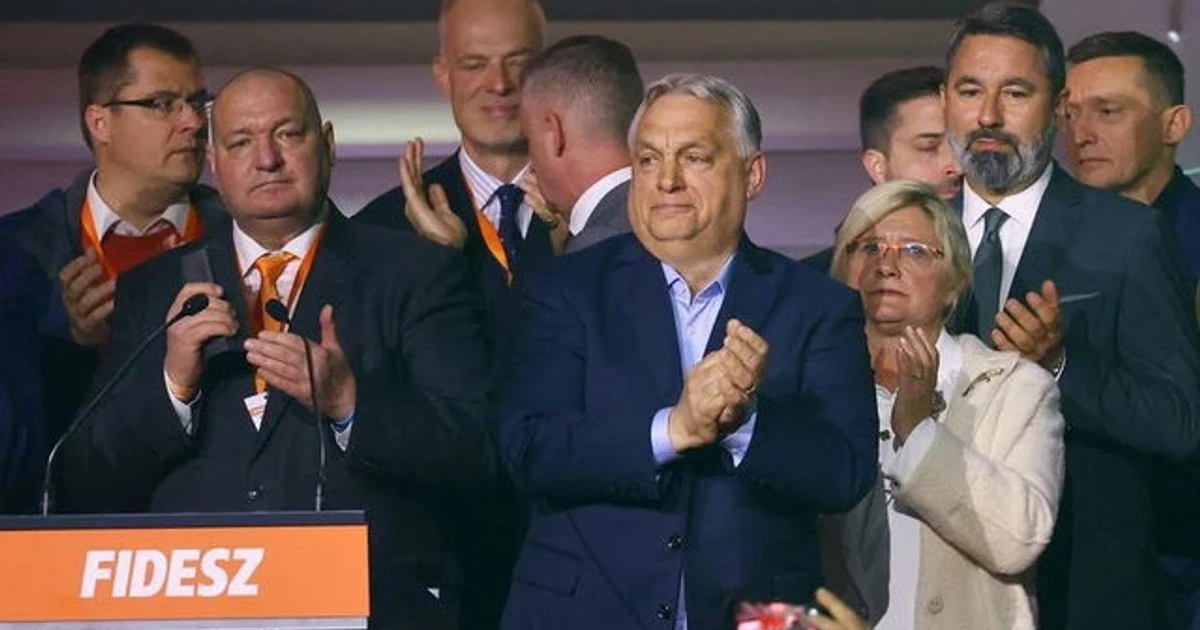
Viktor Orban remained the defining force inside Hungary’s nationalist right on Saturday, winning another one-year term as leader of Fidesz at a party congress in Budapest even after the party lost power in April. The result was overwhelming: 729 of 737 delegates voted to re-elect him, and no challengers ran. For a movement built around one dominant figure, the vote showed that defeat at the ballot box had not yet translated into a break in internal control.
The election loss on April 12 ended 16 years of Fidesz rule and handed Péter Magyar’s Tisza party a two-thirds parliamentary majority. The Robert Schuman Foundation said Tisza won 53.18% of the vote and 141 of 199 seats, while Fidesz took 38.61% and 52 seats. Turnout reached 78.99%, the highest in post-communist Hungary, underscoring how sharply voters had mobilized against the old order. That supermajority gives Magyar the numbers to reverse many of Orban’s constitutional changes, a striking reversal for a party that had long treated state power as durable and personal.
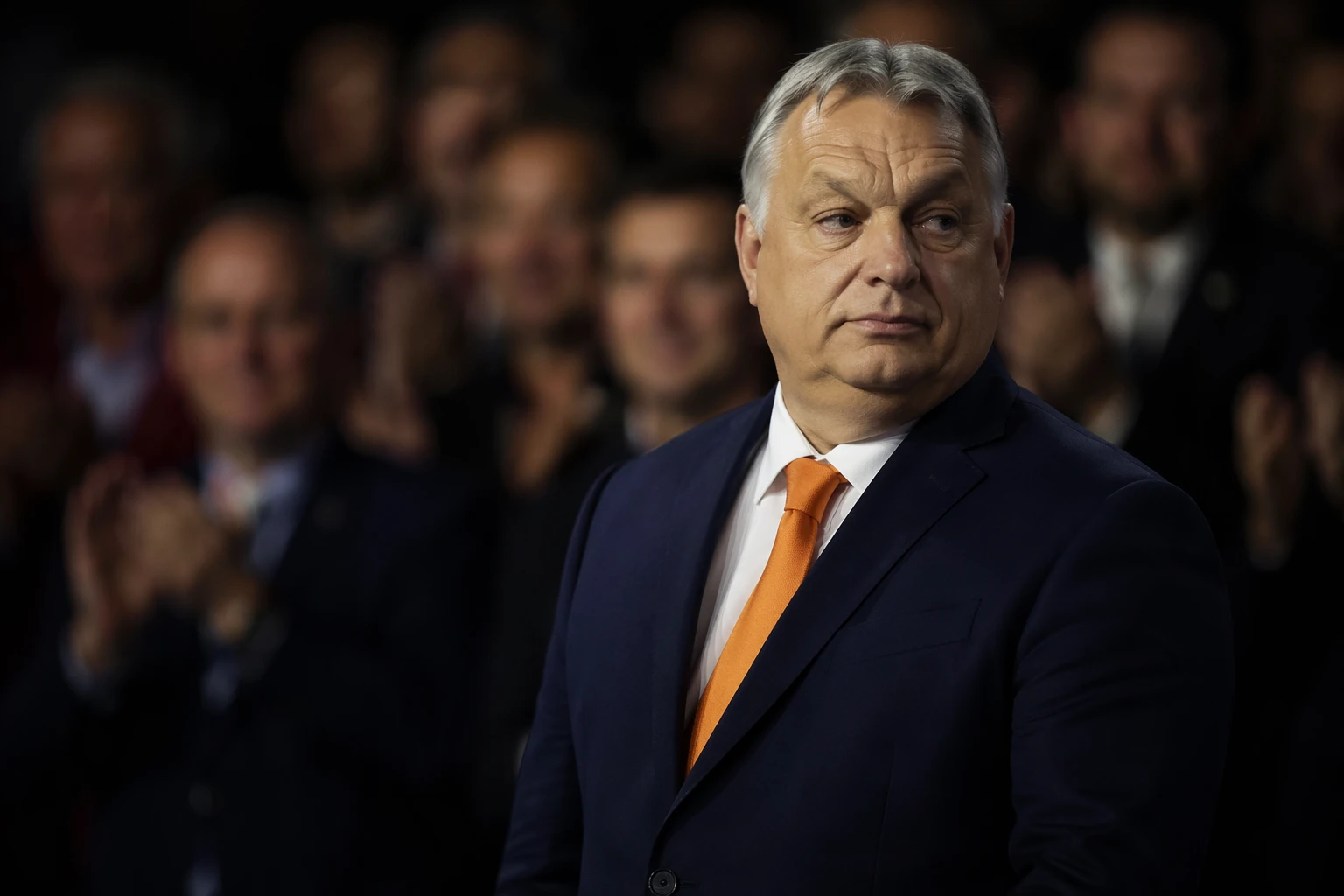
Orban, 62, told delegates, “I do not give up, I never, never, never, never, never give up.” He said he accepted full responsibility for Fidesz’s defeat and argued the party had to transform itself into a functional opposition capable of governing again. Reuters reported that some former loyalists had pressed him to step aside, the first open criticism since he rose to power in 2010. Earlier, he had offered to resign as party chief, but the decision was deferred until the congress, turning Saturday’s vote into a test of whether Fidesz could imagine renewal without him.
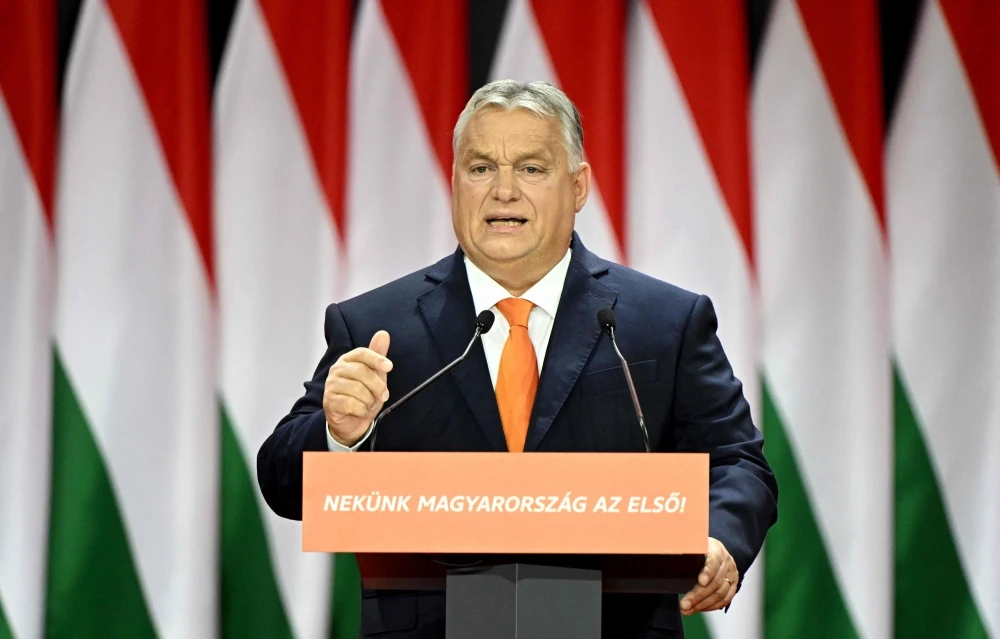
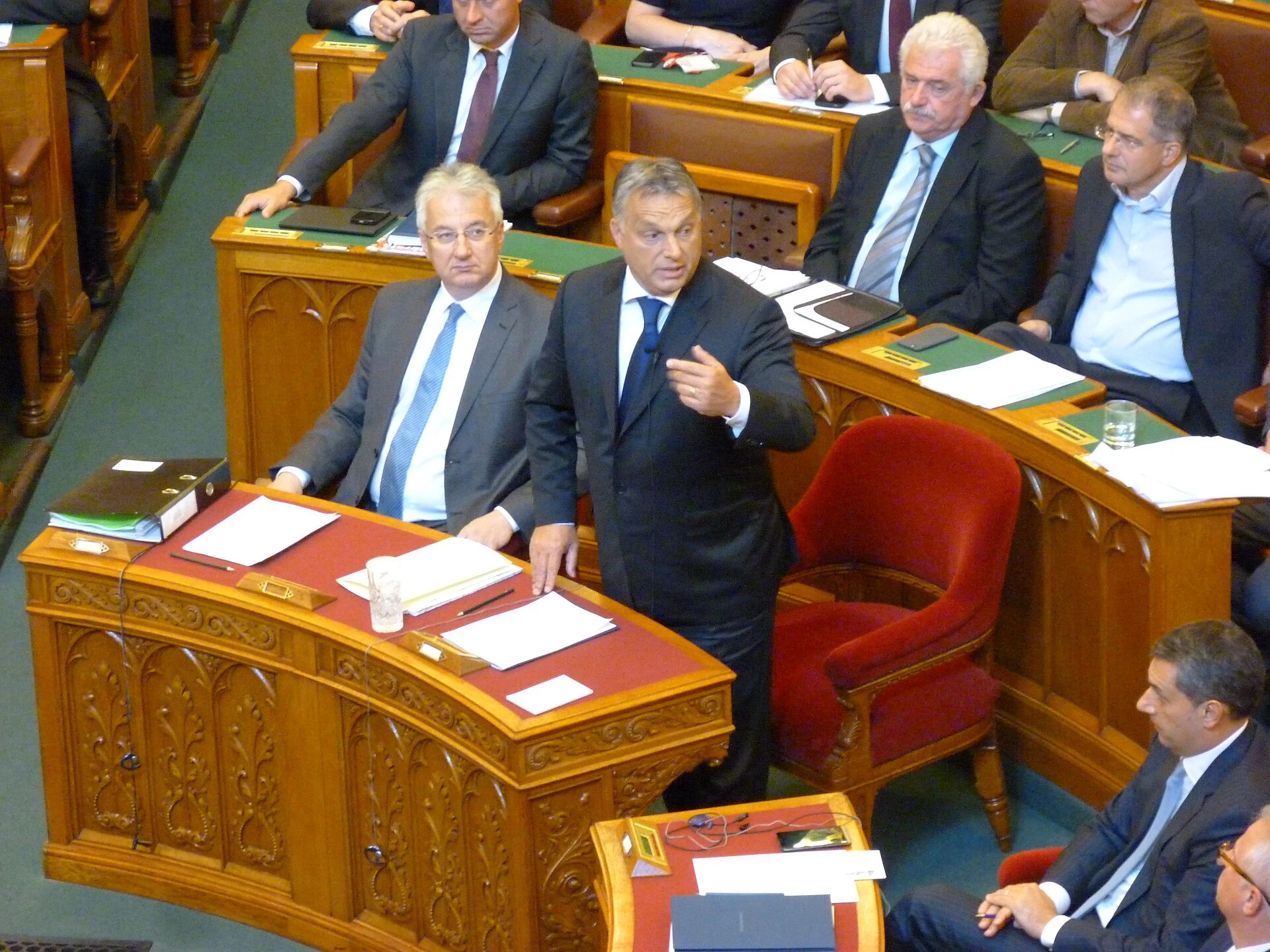
So far, the answer appears to be no. Orban said after the election that he would not take up his parliamentary seat and would return it to Fidesz, saying he was needed in the reorganization of the right wing. A May Publicus Institute poll put Tisza at 55% support and Fidesz at 17%, suggesting the governing brand has not recovered since losing office. For Hungary, that leaves a stark choice between reinvention and entrenchment, with the same political name still anchored to the same leader.
Sources
- [1]usnews.com
- [2]globalbankingandfinance.com
- [3]robert-schuman.eu
- [4]dw.com