Politics
Oregon animal rights referendum could end fishing, hunting and pest control
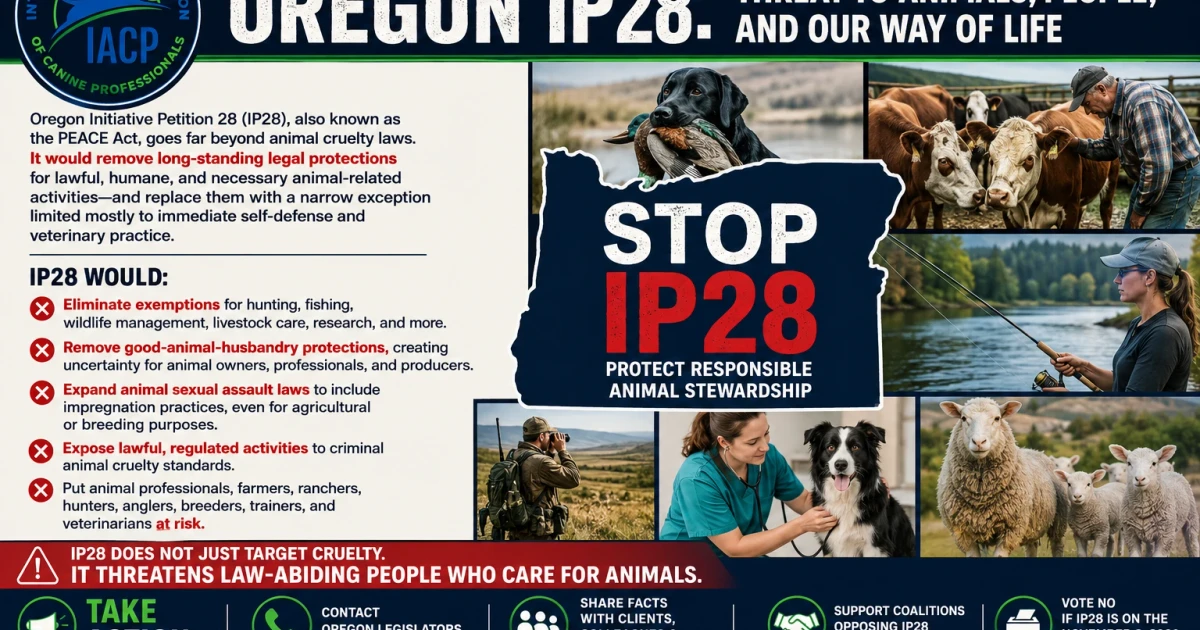
Oregon Democrats are moving quickly to put distance between themselves and a ballot measure that would strip exemptions from the state’s animal cruelty laws and could make hunting, fishing, trapping, livestock slaughtering, animal research and some pest control practices criminal acts. The rush to condemn Initiative Petition 28, or the PEACE Act, shows how a measure cast in sweeping moral language has become a political liability for a party trying to avoid looking out of touch with everyday Oregon life.
The measure is still in the signature stage, but it has already cleared a major hurdle. Oregon’s elections log showed 131,220 signatures submitted for IP28 as of June 17, well above the 117,173 required to qualify for the November 3 ballot, with the final filing deadline set for July 2. State officials still have to verify the signatures before voters see it in November.

Backers say the proposal would simply extend legal protections to animals beyond pets. Under the draft language, the initiative would prohibit the intentional injury of mammals, birds, reptiles, amphibians and fish, while allowing exceptions for self-defense and good veterinary practice. The campaign says its goal is to end animal cruelty exemptions, not to target people already involved in animal care or food production.
That framing has not eased the alarm from Democrats in Oregon, especially in rural and coastal areas where hunting, fishing and agriculture are part of local economies and social identity. Crook County Democrats unanimously adopted a resolution opposing the petition, warning that it would threaten farmers, ranchers, anglers, hunters and jobs tied to agriculture. Governor Tina Kotek said, “Criminalizing activities like hunting and fishing would be wrong for Oregon,” while all 37 Oregon House Democrats said, “Criminalizing farming, ranching, hunting, and fishing is wrong.” Their statement also said the measure “ignores the treaty rights of all nine federally recognized Tribes in Oregon.”

The political fear is bigger than the policy mechanics. By reaching into research, wildlife management, pest control and routine food production, IP28 gives opponents a ready-made culture-war warning: a morally resonant idea that would collide with how people feed communities, manage disease risks and regulate animals in real life. That is why the fight is now as much about Democratic electability and voter perception as it is about animal rights.
Sources
- [1]nytimes.com