Technology
Oregon Courts See Rise in AI-Fabricated Legal Filings
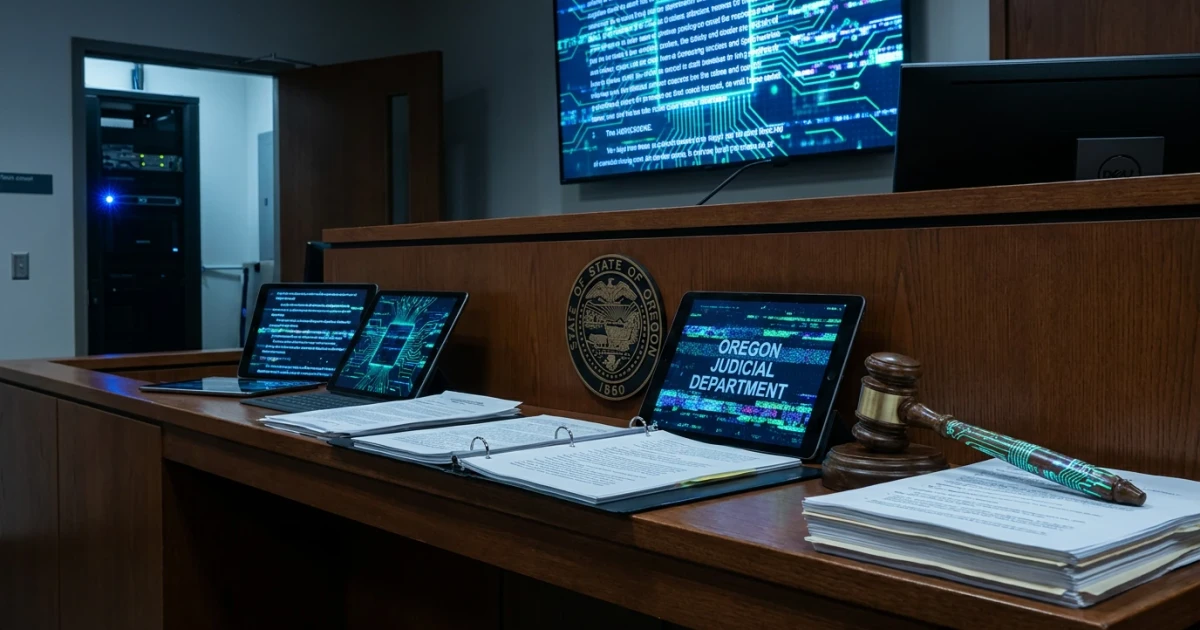
Oregon courts are facing a growing challenge as artificial intelligence-generated legal filings become increasingly prevalent, raising questions about authenticity, court efficiency, and ethical practice in the legal profession. Recent reporting from Oregon Public Broadcasting highlights the issue, noting that local and national courts are experiencing a surge in documents created or influenced by AI technologies.
The Scope of AI Fabrications in Legal Filings
The rise of artificial intelligence tools in legal practice has enabled attorneys and litigants to quickly generate briefs, motions, and other court documents. However, OPB reports that a growing number of these filings contain fabricated citations, invented case law, or inaccuracies—issues that can undermine the legal process and create confusion for judges.
- Federal and state courts in Oregon have flagged AI-generated filings containing references to non-existent cases
- Some filings include procedural errors or misapplied statutes, leading to increased scrutiny by court staff
- The problem is not limited to Oregon; similar trends are being observed in courts across the United States
Data from the U.S. Courts Caseload Statistics Data Tables suggest that while overall filings remain steady, there has been a recent uptick in filings flagged for review due to suspected AI involvement.
Impacts on the Legal System
The growing use of AI in legal filings brings both efficiency gains and new risks. According to OPB, court officials in Oregon are concerned that the influx of fabricated or error-prone documents could slow down case processing, require additional verification steps, and potentially result in sanctions for attorneys who submit unreliable materials.
- Judges and clerks are spending more time verifying citations and legal arguments
- Some courts are considering updated protocols for electronic filings to detect AI-generated content
- Disciplinary actions against attorneys have increased in cases involving improper or misleading filings, as documented in the Oregon State Bar Disciplinary Actions records
OPB notes that legal professionals are divided on how best to address these challenges. While some advocate for stricter rules and penalties, others emphasize the need for better AI literacy and training in law firms.
Ethical Considerations and Response
Ethics in legal practice are under renewed scrutiny as AI systems become more sophisticated. The Oregon State Bar has issued guidance on responsible AI use, echoing national concerns found in the Oregon State Bar Bulletin and the ABA Legal Technology Resource Center: Artificial Intelligence 2023 Report. These resources highlight the risks of relying on AI for substantive legal work without proper oversight.
- Attorneys are responsible for verifying all information presented in court filings, regardless of the technology used
- AI-generated errors can lead to professional misconduct charges
- Bar associations recommend routine review of AI-assisted documents and caution against overreliance
Looking Forward: Balancing Innovation and Integrity
As AI tools continue to evolve and integrate into legal workflows, Oregon courts and bar associations are exploring ways to balance innovation with integrity. OPB reports ongoing discussions about new screening technologies, educational programs for legal professionals, and potential updates to court rules governing electronic and AI-generated filings.
Readers can explore recent Oregon legal filings and court opinions impacted by AI trends using CourtListener, and review broader legal filing statistics at the National Center for State Courts: Data and Statistics.
While artificial intelligence promises greater efficiency in legal practice, its unchecked use poses significant risks to the reliability of the justice system. Oregon’s experience highlights the need for vigilance, ethical standards, and thoughtful adoption of new technologies as courts and legal professionals adapt to a changing landscape.