Health
PA students sue over federal loan caps, seek professional status
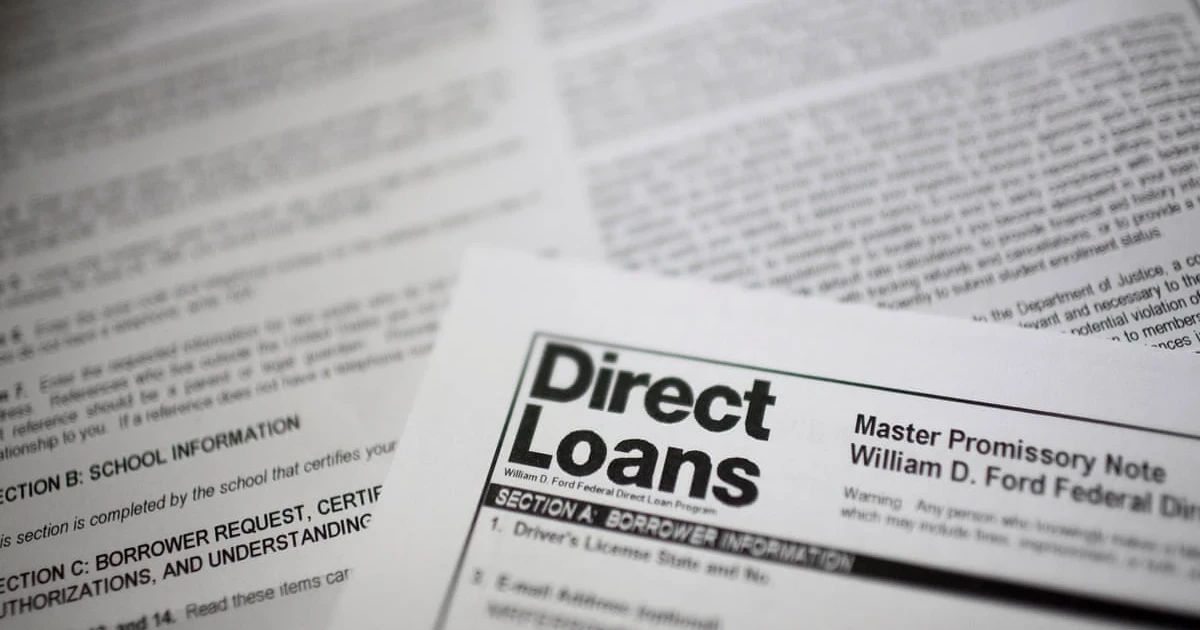
On June 3, physician assistant students sued the Education Department, arguing that new federal loan caps would leave many unable to pay for training unless they take on private debt, move to cheaper programs or leave the field. The challenge comes as schools face a borrowing system that treats PA programs as graduate degrees rather than professional ones.
The final rule, completed on April 30 and set to govern loans first disbursed on or after July 1, caps most graduate borrowing at $20,500 a year and $100,000 total. Students in professional programs can borrow up to $50,000 annually and $200,000 overall, but the department limited that higher tier to 11 doctorate programs and eliminated Grad PLUS, which had allowed borrowing up to the full cost of attendance.
PA students were placed in the lower graduate tier. The rule caps PA borrowing at $20,500 a year, far below typical program costs. Data from the American Academy of Physician Associates show 76% of PA student borrowers in 2023-24 relied on federal loans beyond that amount. Median tuition for a physician assistant or associate program is about $100,000, and living expenses can lift total costs to about $200,000.
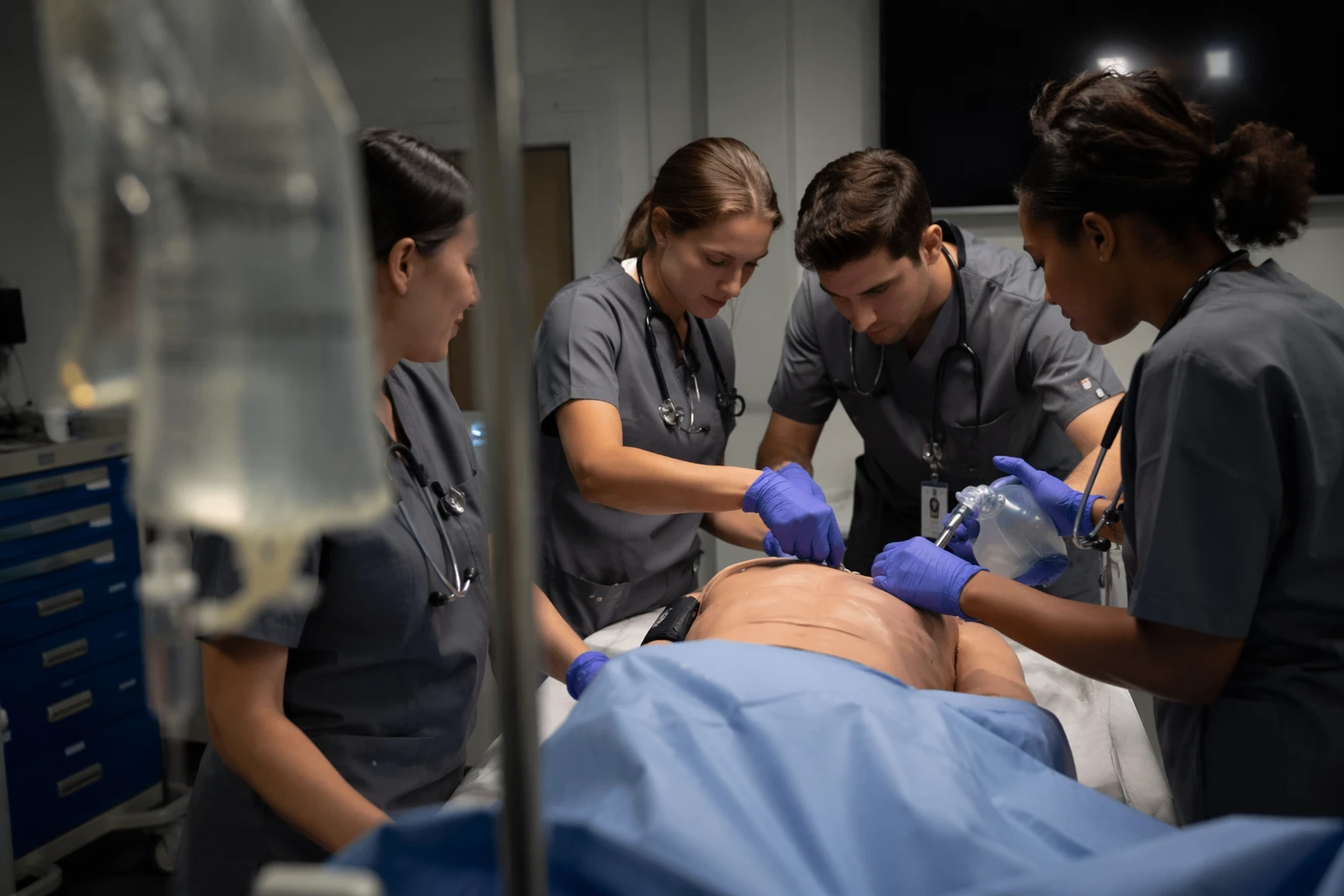
Private loans do not offer the same safety nets or lower-payment options as federal loans, Betsy Mayotte, president of the Institute of Student Loan Advisors, said. That difference could push some prospective students out of PA and nursing programs or away from lower-paying rural jobs that depend on new clinicians. The American Academy of Physician Associates and the Physician Assistant Education Association argue Congress intended PA education to count as professional training.
The American Nurses Association and nine other nursing organizations filed a similar lawsuit on May 29 over the exclusion of nursing. Students who already had loans before July 1 may receive temporary exemptions. New borrowers face the caps immediately, a change tied to the One Big Beautiful Bill Act signed on July 4, 2025.
Sources
- [1]cbsnews.com
- [2]marketplace.org
- [3]aapa.org
- [4]cnbc.com
- [5]studentaid.gov
- [6]oadn.org