Business
Package-forwarding startups let African shoppers buy from Amazon and Walmart
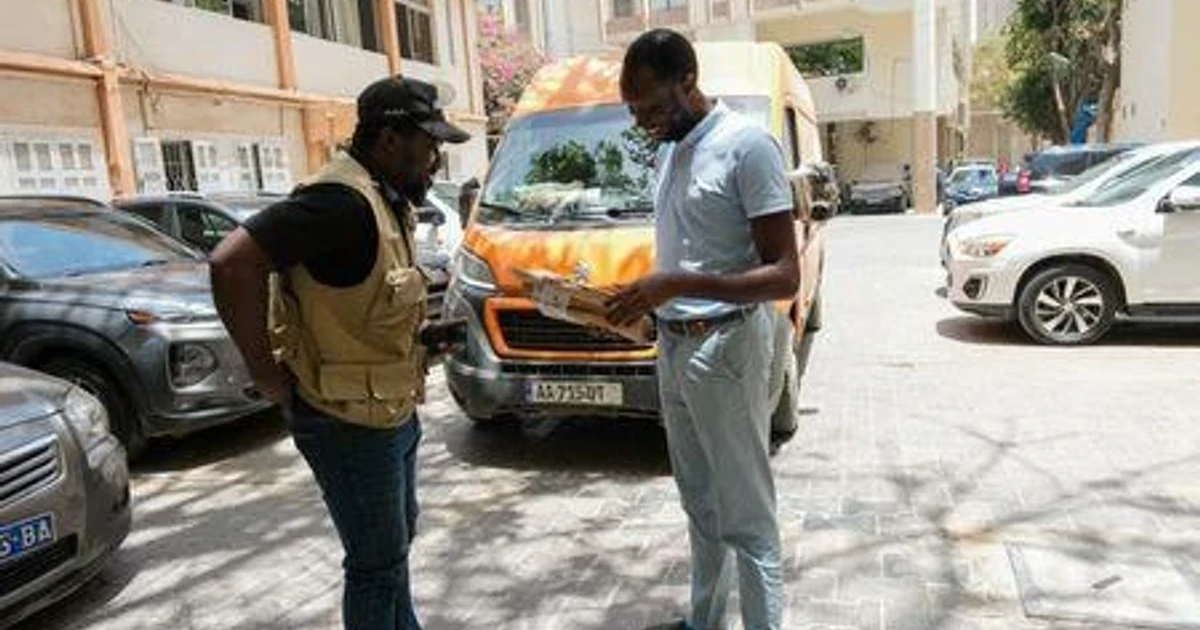
Shoppers across Africa are increasingly buying from Amazon and Walmart even where the U.S. retailers have no physical presence, using package-forwarding startups that supply overseas delivery addresses, consolidate orders and move parcels into local hands. In Dakar, Afrety has become one of the clearest examples of how the system works.
Souane Diop, Afrety’s chief executive, said the company began in 2018 by linking informal air-traveller networks between France and Senegal. Today, Diop said, Afrety moves four to five metric tons of goods by air and two to three containers by sea each week. The company gives customers delivery addresses in warehouses in France, the United States and China, then repackages purchases for shipment to West Africa. Afrety’s own website says it helps people access products from around the world and receive home delivery in Senegal, and the company also operates in Côte d’Ivoire.
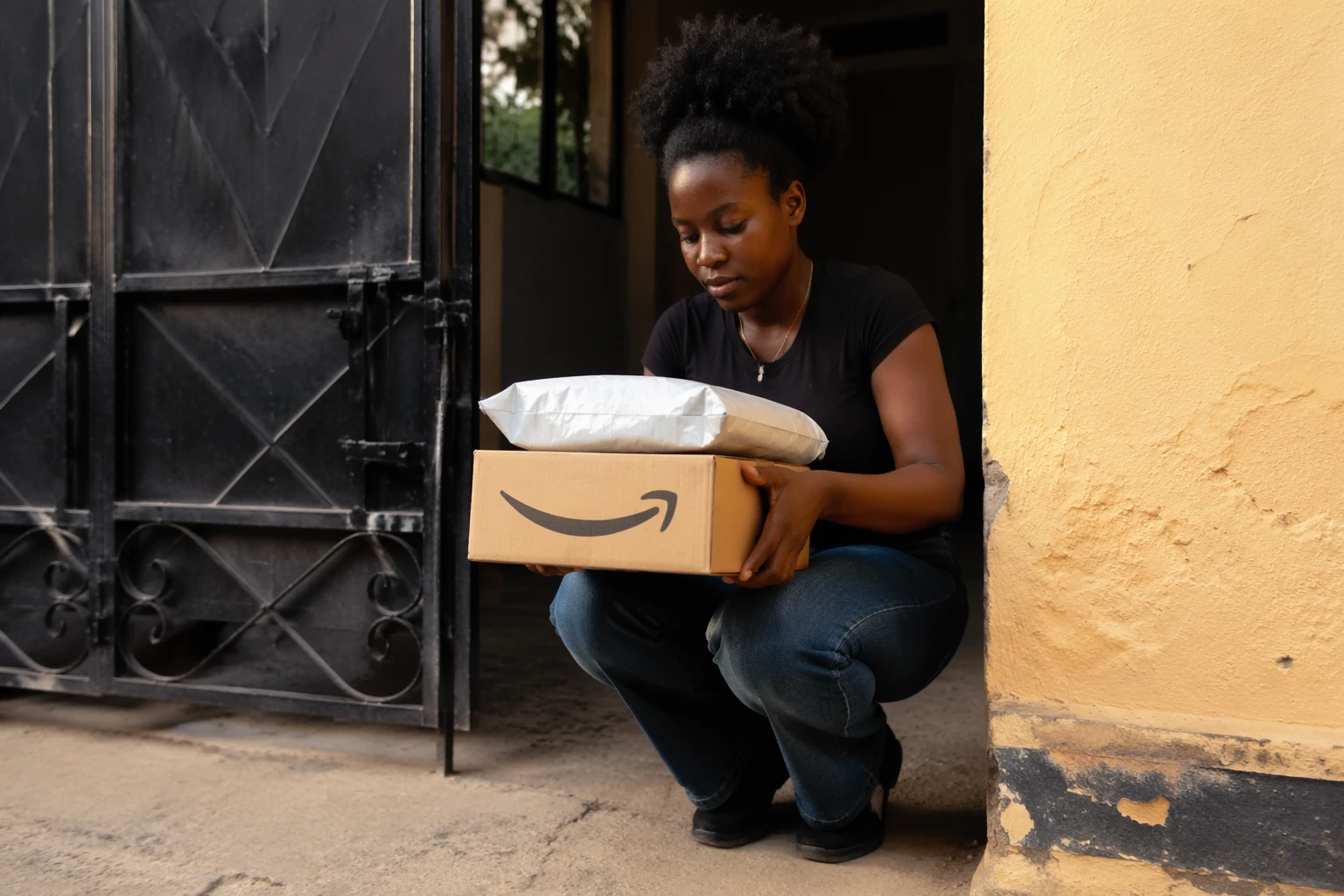
The business depends on solving frictions that have long limited e-commerce in many African markets. Customers without bank cards can pay with mobile money that can be topped up with cash at kiosks, and once parcels arrive in Senegal they are delivered by motorbike and van using GPS in Dakar and other cities. That payment system matters because sub-Saharan Africa has become the center of mobile money: GSMA said the region had more than 1.1 billion registered mobile money accounts in 2024, while mobile money services globally handled about $1.4 trillion annually. GSMA also estimated that mobile money raised Senegal’s GDP by as much as 8.6% at the end of 2023, or about $6 billion.
The logistics model is not unique to Afrety. Aramex and its MyUS platform also operate in the same space, showing that package forwarding has turned into a broader business built around the continent’s gaps in addresses, banking and cross-border shipping. The profit lies in the middle, with intermediaries capturing fees for warehousing, consolidation, transport and local last-mile delivery that the big retailers do not provide themselves.
Senegal’s market helps explain why the workaround has taken hold. The World Bank said the country’s economy grew 6.1% in 2024 after Bassirou Diomaye Diakhar Faye was elected Senegal’s fifth president on March 24, 2024. For Africa’s online shoppers, that growth is meeting demand that global retailers have not yet served directly, and it is creating a parallel retail network that makes Amazon and Walmart reachable through Dakar, rather than through local storefronts.
Sources
- [1]money.usnews.com
- [2]finance.yahoo.com
- [3]channelafrica.co.za
- [4]afrety.sn
- [5]afrety.com
- [6]gsma.com
- [7]worldbank.org