Business
Pakistan forecasts 3.7% GDP growth as inflation stays contained
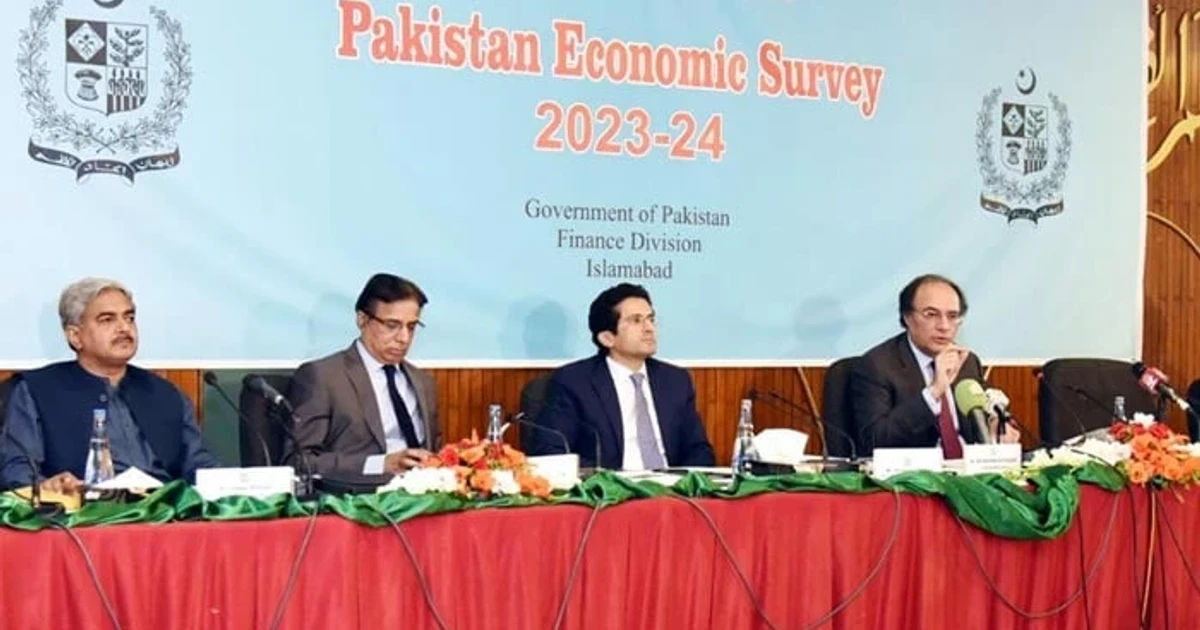
Pakistan’s latest economic survey offered a brighter portrait of the economy just as questions persist over how durable the recovery really is. Finance Minister Muhammad Aurangzeb presented the numbers in Islamabad on June 11, 2026, projecting real GDP growth of 3.7% for the fiscal year ending June 2026, the country’s highest rate in four years. That is an improvement from 3.18% last year, but still short of the government’s 4.2% budget target, underscoring the gap between official optimism and the harder arithmetic of debt, trade, and external financing.
The inflation picture was more reassuring. Average consumer-price inflation came in at 6.7% in the July-to-May period, and the survey said price stability had been broadly preserved despite the Gulf conflict and the jump in energy prices that followed. Even so, the external accounts remained under strain: Pakistan posted a current account deficit of $252 million in the July-to-April period and a trade deficit of $23.53 billion in the first nine months of the fiscal year. For foreign investors and lenders, those figures matter because they show how quickly Pakistan’s balance of payments can tighten when energy costs rise or regional tensions spill into markets.
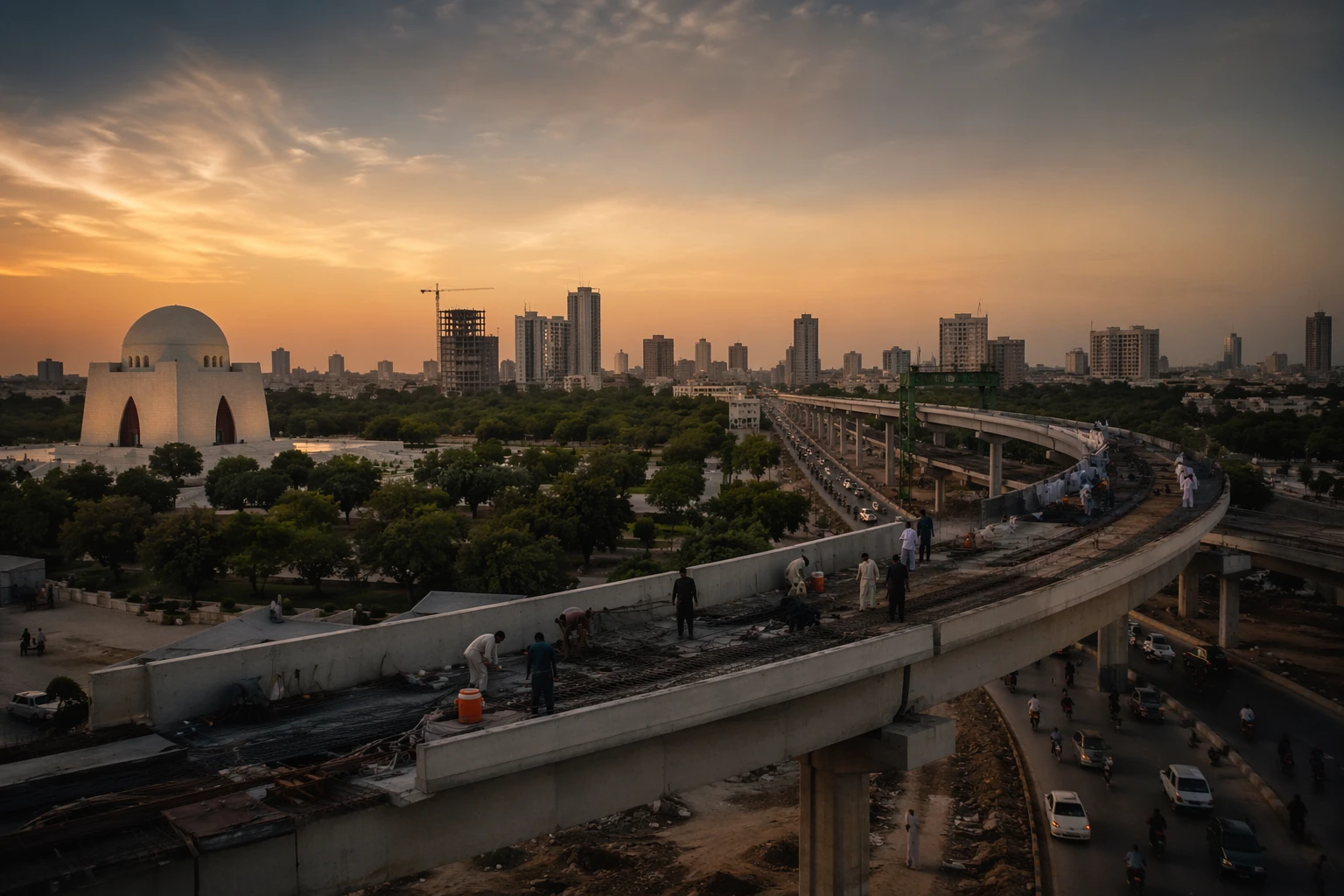
The fiscal side looked stronger, at least on paper. The deficit was 0.7% of GDP in the July-to-March period, while the primary surplus reached 3.2% of GDP. Officials described that as the strongest fiscal performance in decades, but public debt still stood at 83,285 billion rupees by the end of March. The government also set Pakistan’s economic size at Rs126.9 trillion, or about $452.1 billion, and said per-capita income rose to $1,901 from $1,751 a year earlier. That combination suggests stabilization, but not yet enough room to claim that the pressure on the state’s finances has disappeared.
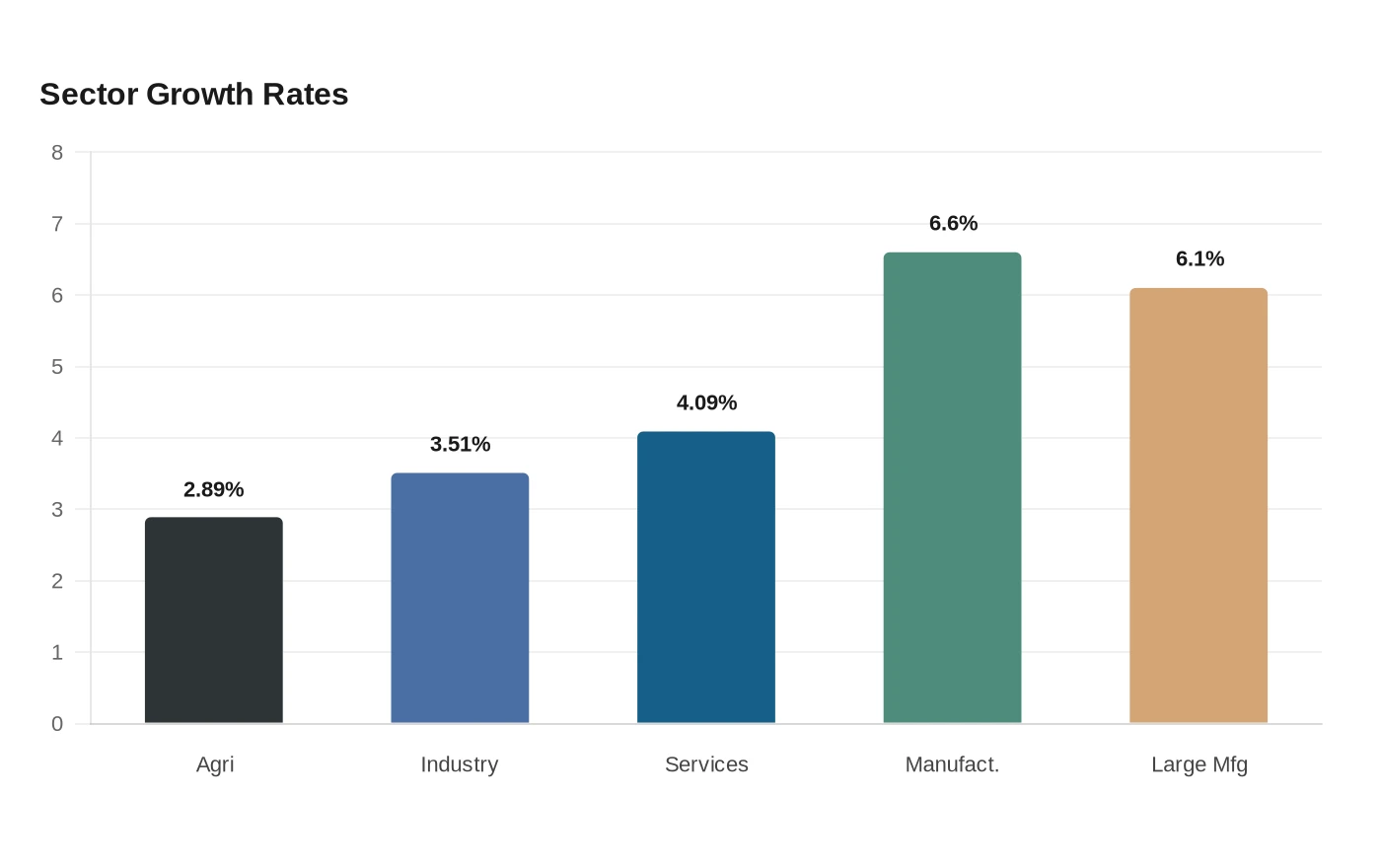
The growth numbers were broad-based rather than narrowly driven. Agriculture expanded 2.89%, industry 3.51%, services 4.09%, manufacturing 6.6% and large-scale manufacturing 6.1%. The agriculture chapter said the sector still accounts for about 23.5% of GDP and employs more than 37% of the labor force, making it central to rural incomes and food inflation after the 2025 floods. That matters because any recovery that fails to reach farms and factories will do little to ease the country’s underlying economic fragility.
The survey lands one day before the federal budget, and it arrives as Pakistan continues talks with the International Monetary Fund. Reuters reported that the coming budget is likely to raise revenue and cut spending while trying to protect the poorest, a familiar IMF-era balancing act that will test how far the government can push austerity without slowing growth again.
Sources
- [1]money.usnews.com
- [2]finance.gov.pk
- [3]brecorder.com