World
Pakistan Mediates as Iran Issues Warning on US Troop Deployment
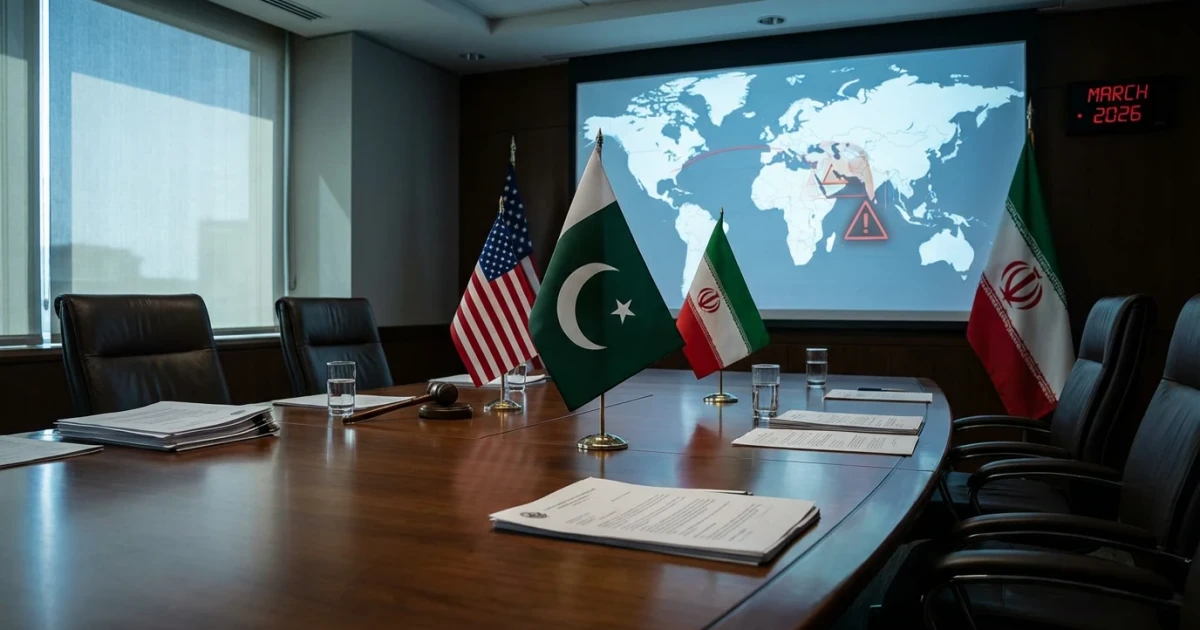
Pakistan has announced its readiness to host high-level talks between the United States and Iran in the coming days, aiming to defuse mounting tensions after Iran delivered a strong warning that any American ground troops deployed in the region would be "set on fire." The developments come amid growing international concern over potential military escalation and underline a renewed diplomatic push in the region.
Pakistan Steps Forward as Mediator
According to reporting by AP News, Pakistani officials have confirmed their willingness to facilitate direct discussions between US and Iranian representatives. Islamabad’s diplomatic engagement marks a significant move, given Pakistan’s longstanding ties with both Washington and Tehran. The talks are expected to take place soon, though no specific date has been publicly announced. The decision follows behind-the-scenes consultations among regional leaders worried about the risks of a broader conflict.
Pakistan’s role as a mediator is rooted in its unique geopolitical position and history of balancing relations with both sides. The CIA World Factbook underscores Pakistan’s importance in regional diplomacy, especially in periods of heightened US-Iran tensions.
Iran Delivers Stark Warning
The urgency of the diplomatic efforts was underscored by sharp rhetoric from Tehran. Both AP News and CBS News report that Iranian officials issued an explicit warning: if the United States launches a ground operation or deploys troops in the region, those forces would be "set on fire." This phrasing reflects Iran’s longstanding policy of deterrence and its willingness to respond forcefully to perceived external threats.
Such warnings have been a recurring theme in US-Iran relations, especially during periods of military build-up. The International Crisis Group provides extensive analysis showing that Iran’s military doctrine relies on asymmetric warfare and leveraging regional alliances to counteract US power projection.
Escalating Rhetoric and Military Posturing
- Iran’s warning comes amid reports that the United States is weighing the deployment of ground troops to the region, a move that would mark a significant escalation in the ongoing standoff.
- The US has not confirmed any specific deployment plans, but military officials have signaled that all options remain on the table to protect American interests and allies.
- Regional leaders have responded by urging restraint and calling for renewed dialogue to prevent the situation from spiraling out of control.
Data from the SIPRI Arms Transfers Database demonstrates a continued increase in military capabilities across the region, with both the US and Iran investing in advanced hardware and force readiness.
International Response and Diplomatic Efforts
Multiple sources confirm that the announcement of talks in Pakistan has been welcomed by several foreign capitals as a positive step toward de-escalation. While details remain scarce, diplomats are hopeful that direct dialogue can reduce the risk of miscalculation and open channels for crisis management.
The UN Security Council’s Iran Sanctions Committee has called for restraint and respect for international agreements, reminding all parties of their obligations under international law. Meanwhile, the US State Department’s latest Country Reports on Terrorism continues to document Iran’s military activities and its interactions with American forces in the region.
Background: Military Capabilities and Regional Stakes
According to the Council on Foreign Relations, Iran maintains a complex military structure designed for both conventional and unconventional warfare. While the US boasts significantly greater resources and technological superiority, Iran’s strategy is built around deterrence and inflicting costs on adversaries through asymmetric means.
Recent figures from the World Bank show that US military expenditure far outpaces Iran’s, yet Iran’s regional alliances and use of proxy forces continue to complicate any potential US ground campaign.
Looking Ahead
The coming days are likely to be pivotal for US-Iran relations, as diplomatic efforts led by Pakistan aim to reduce the risk of open conflict. The outcome of the proposed talks remains uncertain, but the willingness of both sides to engage—albeit amid tough rhetoric—offers a potential path to de-escalation. Observers continue to monitor the situation closely, with hopes that dialogue will prevail over military confrontation in one of the world's most volatile regions.