World
Pakistan says U.S. and Iran reached peace framework, signing due soon
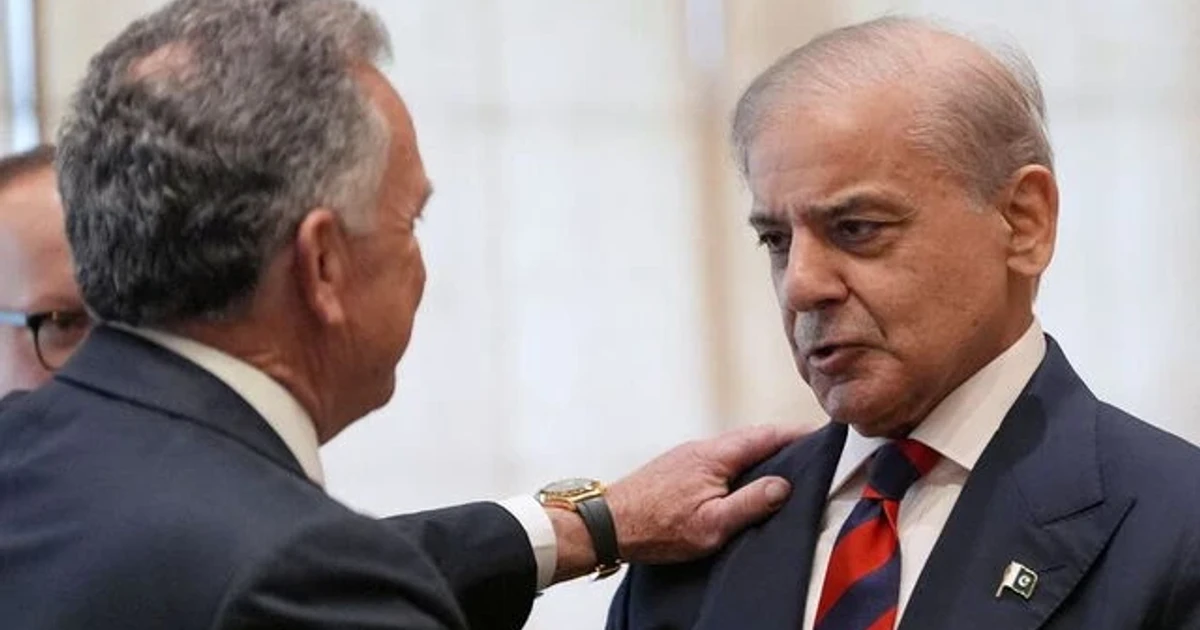
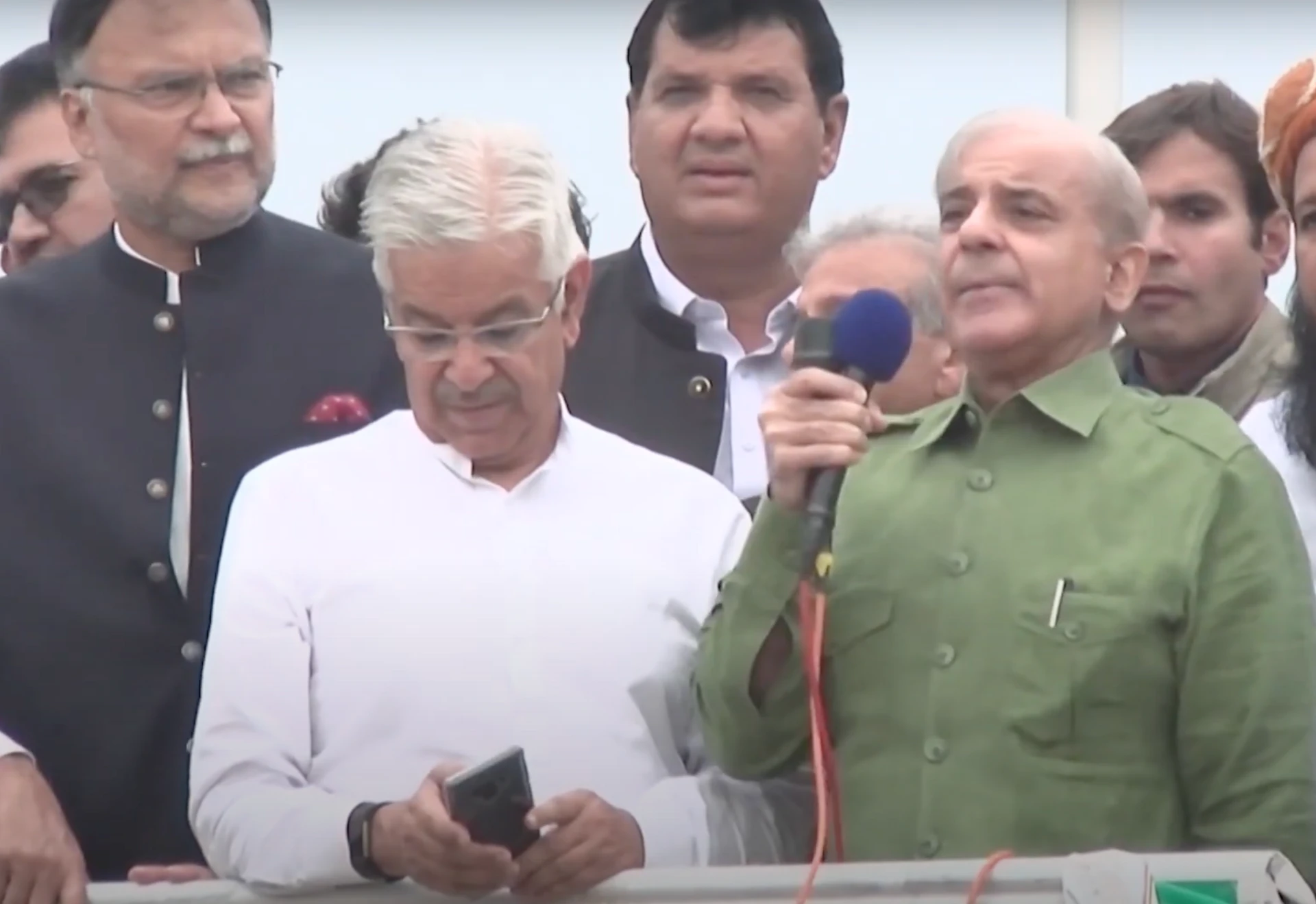
Pakistan’s prime minister said the United States and Iran had reached a framework for a peace deal, a claim that would reshape the conflict, shipping through the Strait of Hormuz and the future of U.S.-Iran relations if it holds. Shehbaz Sharif said finalization was likely within 24 hours, with an electronic signing to follow and technical-level talks next week, signaling that negotiators believe the broad outlines are in place even as the hardest details remain unsettled.
The claim landed immediately in a cloud of caution. A senior Trump administration official said the United States was not 100% confident the memorandum of understanding would actually be signed. Iranian Foreign Ministry spokesperson Esmaeil Baghaei also urged restraint, saying the timing was still uncertain and that it would not be “tomorrow.” Iranian state media said a signing in the coming days could not be ruled out, leaving the headline promise intact but the timing in dispute.
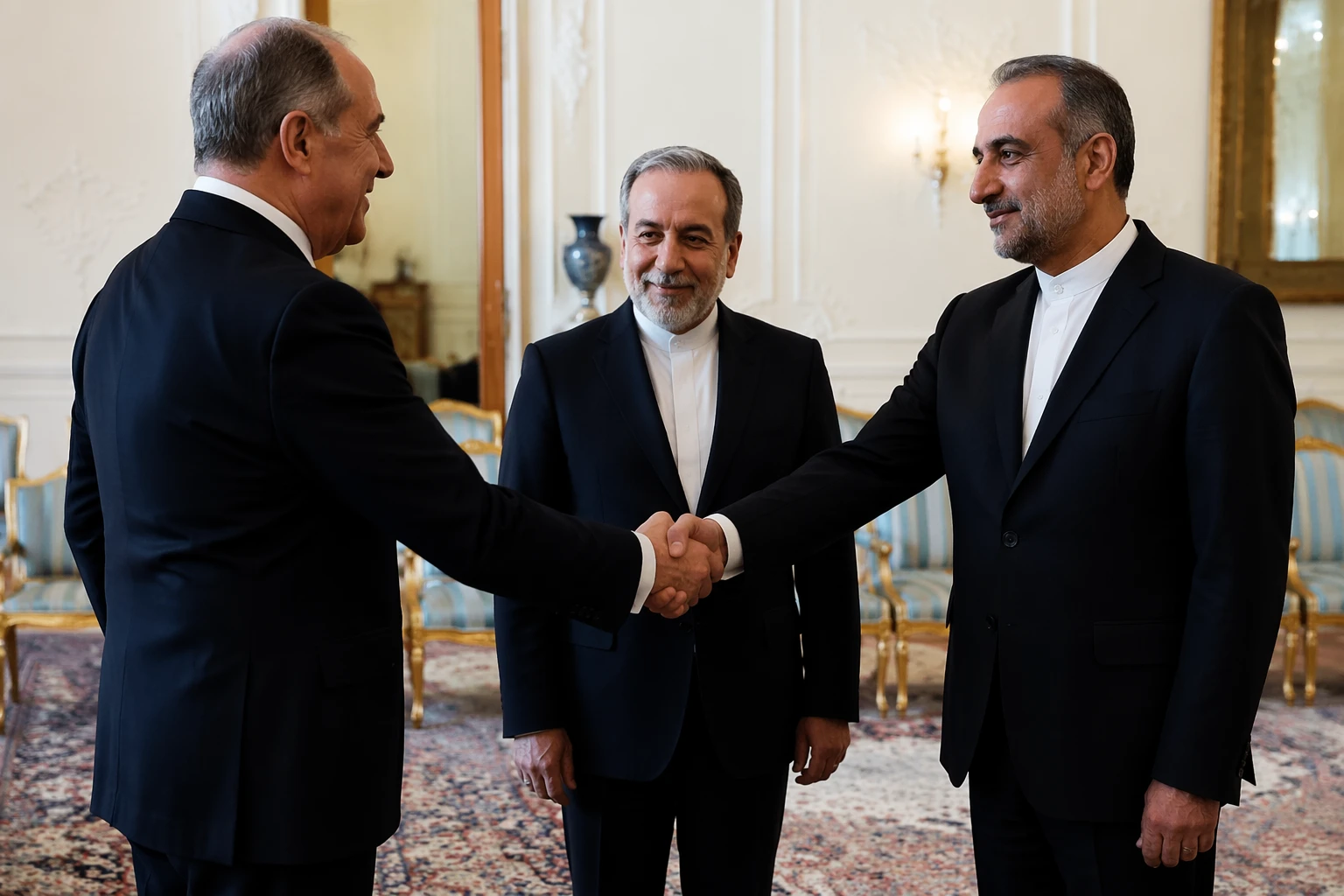
The potential contours of the deal show why the stakes are so high. The agreement could include reopening the Strait of Hormuz, dismantling Iran’s nuclear program, inspection provisions, sanctions relief and the unfreezing of assets if Iran complies. For shipping firms, energy markets and Gulf governments, those are not abstract diplomatic phrases but immediate questions of access, security and enforcement.
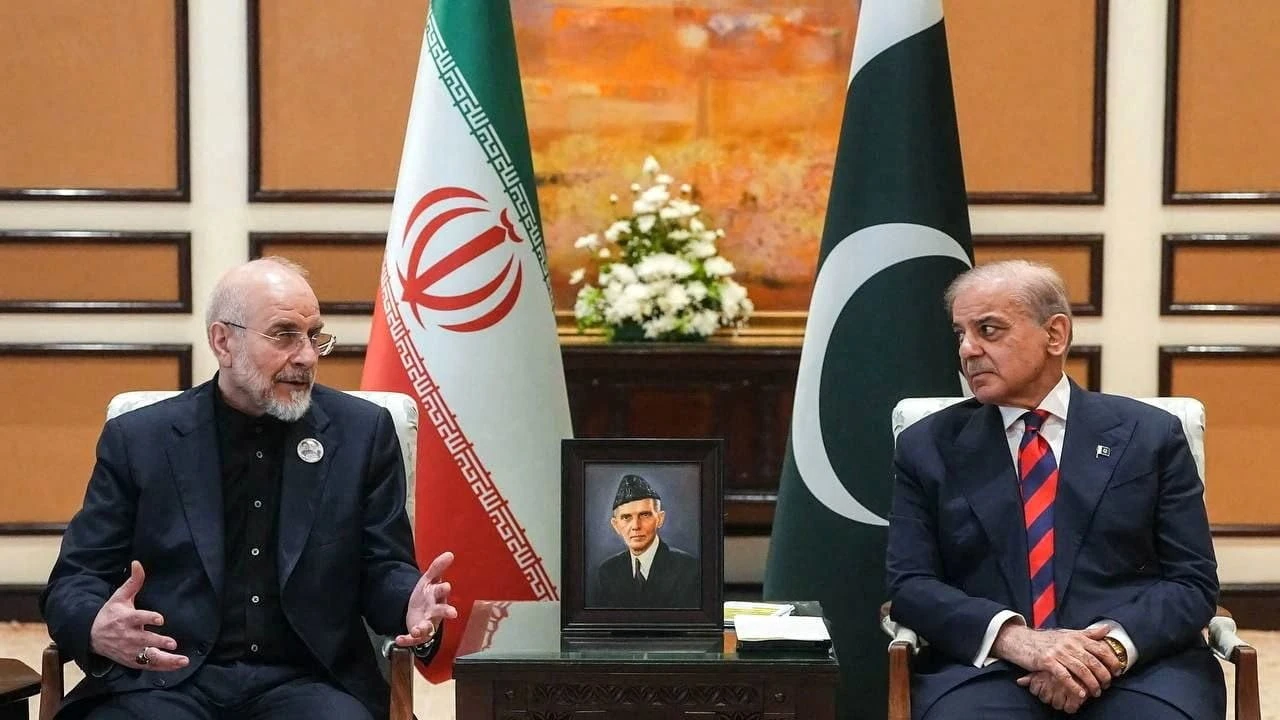
Sharif’s post also underscored how far the diplomacy had climbed up the political ladder. He tagged Donald Trump, J.D. Vance, Marco Rubio, Masoud Pezeshkian and Abbas Araghchi, while Trump reposted Sharif’s remarks on Truth Social without comment. No immediate reaction came from the White House or Iranian authorities, deepening the sense that the announcement was designed to set expectations before every capital had signed off.
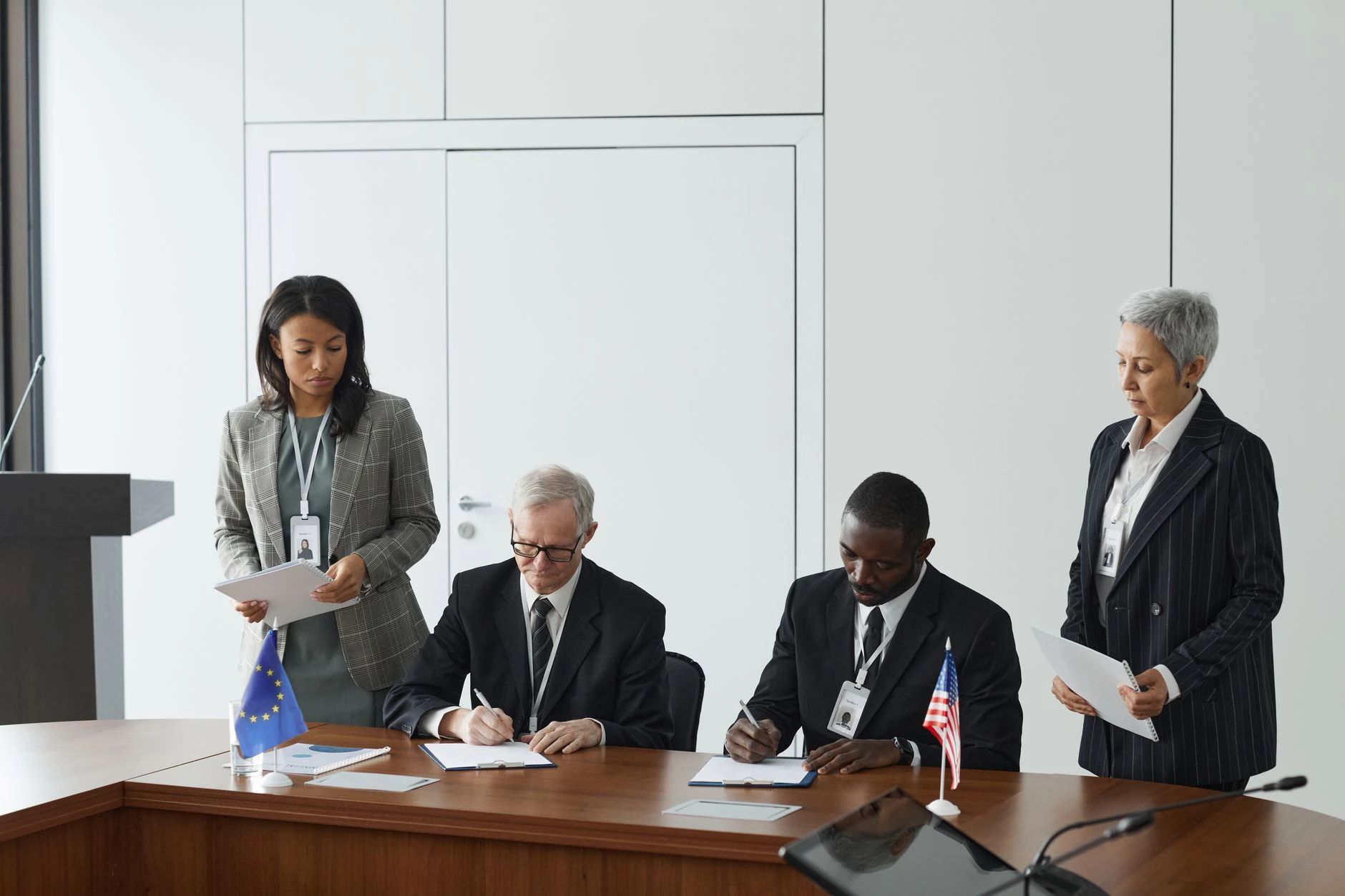
Pakistan’s role has been unusual and increasingly central. The Council on Foreign Relations said Islamabad hosted high-level talks and shuttled proposals between Washington and Tehran, helping produce direct talks after nearly five decades without them. Al Jazeera described Pakistan conveying U.S. and Iranian proposals amid rising military pressure, while Bloomberg reported that Pakistan helped prompt Trump’s announcement of a two-week pause in fighting after talks with Sharif and Field Marshal Asim Munir. In May, Pakistan’s Interior Minister Mohsin Naqvi spent two days in Tehran as mediation continued, and Pakistan’s Foreign Ministry condemned the strike near the Barakah Nuclear Energy Plant in the United Arab Emirates as a grave violation of international law.
The result is a diplomatic process that may be nearing a breakthrough but is still exposed to reversal within hours. A framework can lower panic quickly; only a signed text, technical implementation and verified compliance will show whether the region is moving toward de-escalation or simply entering another round of brinkmanship.
Sources
- [1]usnews.com
- [2]cnbc.com
- [3]thehindu.com
- [4]cfr.org
- [5]aljazeera.com
- [6]bloomberg.com