World
Pakistan says U.S.-Iran deal includes Lebanon amid fragile ceasefire talks
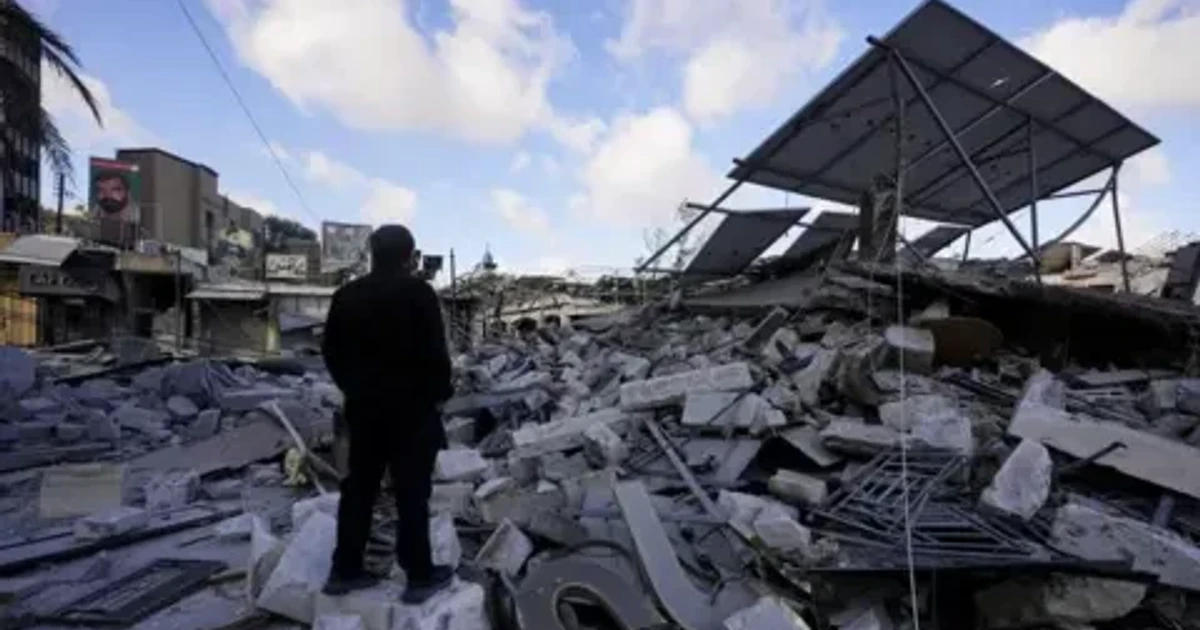
Pakistan’s prime minister said the United States and Iran had reached a deal that includes Lebanon, but the real measure is whether the agreement can do what the last ceasefires could not: stop the war along the Israel-Lebanon line. Shehbaz Sharif said the package covered “the immediate and permanent termination of military operations on all fronts, including in Lebanon,” a sweeping claim that runs into a record of repeated breakdowns in ceasefire enforcement.
The reported plan comes with a signing ceremony said to be scheduled for June 19 in Switzerland, with “pre-implementation discussions” expected before then. That timeline matters because the most recent attempt to cool the fighting failed to settle the core issues. A U.S.-backed cessation of hostilities announced for April 16 and April 17 was meant to pause combat for 10 days, but it was never fully observed. On June 4, Hezbollah rejected another U.S.-brokered ceasefire plan as Israel continued strikes in southern Lebanon, underscoring how quickly diplomatic language has outpaced events on the ground.
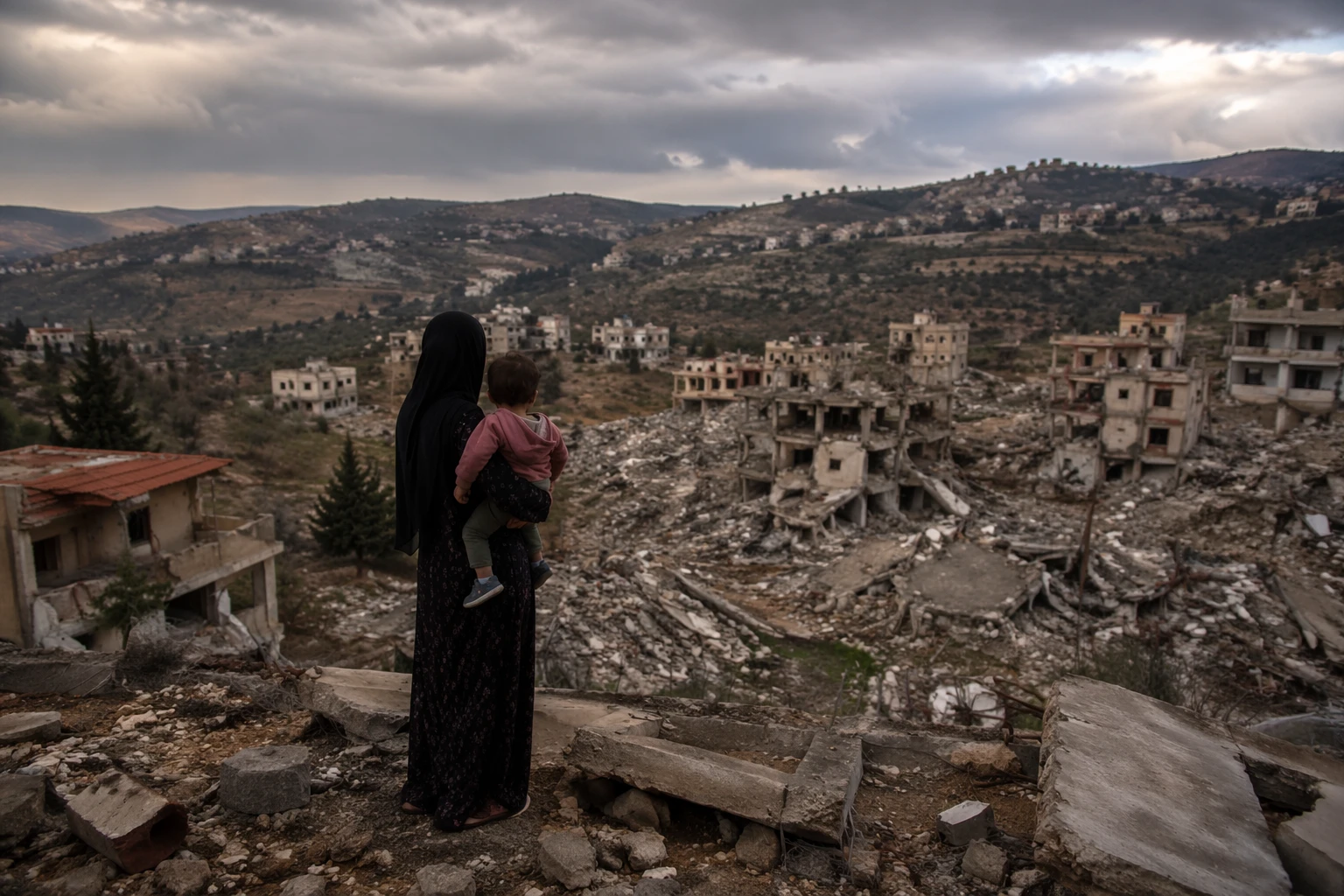
The credibility gap is visible in the numbers. In November 2025, the United Nations Interim Force in Lebanon said it had recorded more than 10,000 Israeli air and ground violations since the November 27, 2024 ceasefire agreement. The breakdown was roughly 7,500 aerial violations and about 2,500 ground violations. That tally has become a blunt marker of how fragile the November 27, 2024 ceasefire zone remains, and why each new announcement is being judged less by rhetoric than by whether crossings, airspace and border positions actually quiet down.
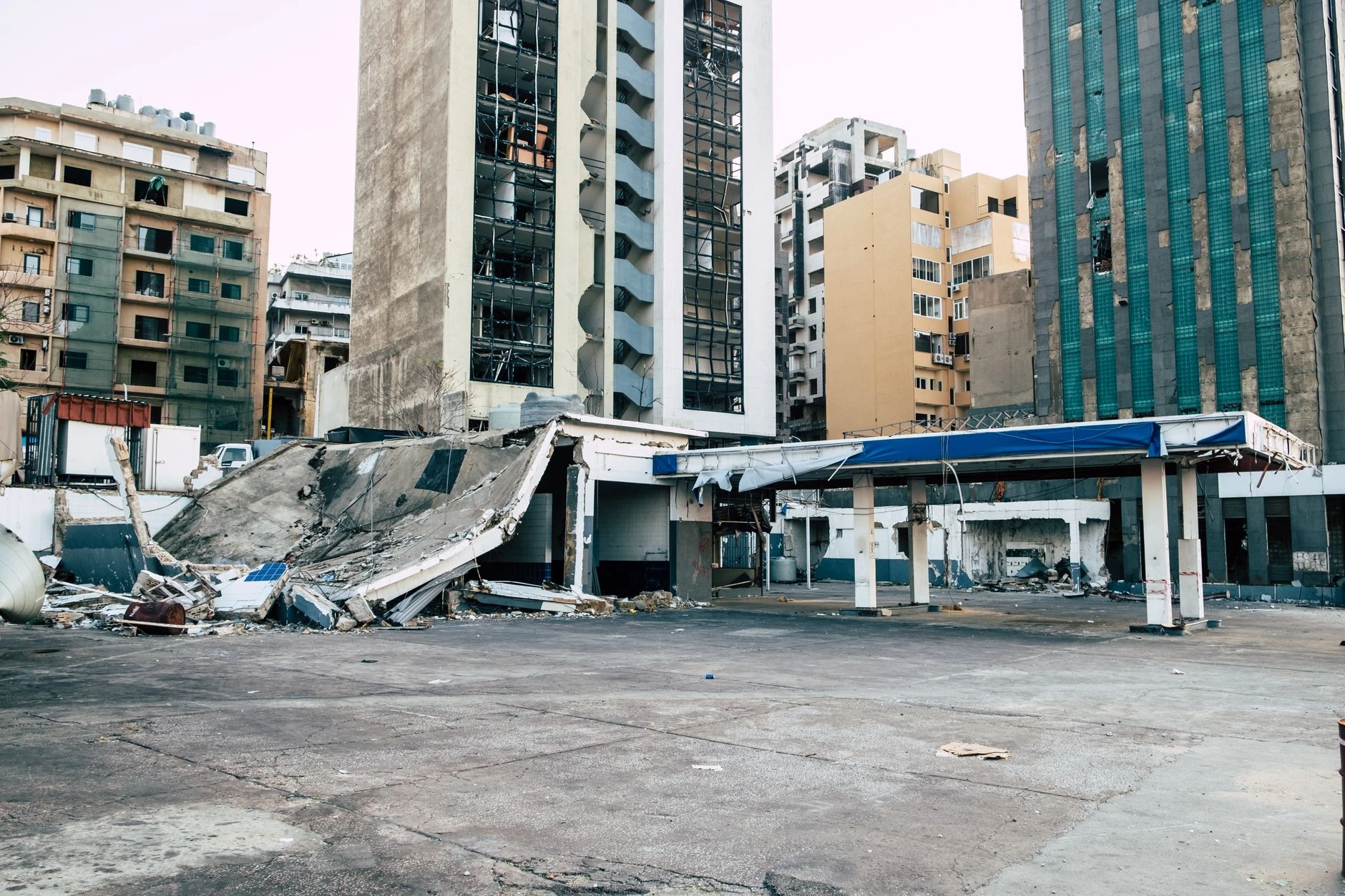
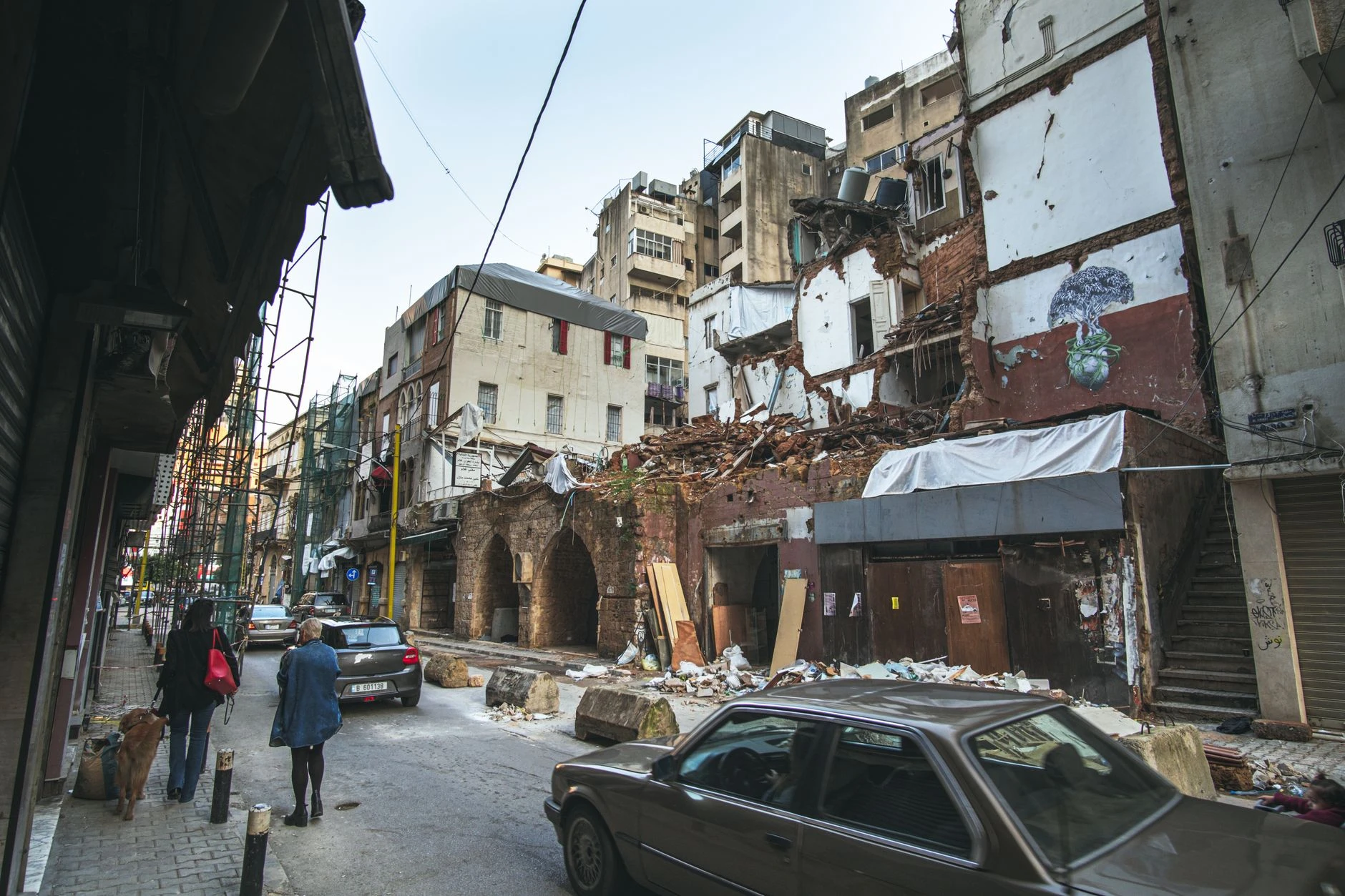
The next tests are clear. Any durable deal will depend on Hezbollah stopping fire, the Israeli government pulling back from southern Lebanon, and both sides accepting constraints that previous arrangements could not impose. It will also hinge on whether humanitarian access improves in Beirut and the south, where civilians have borne the cost of every failed pause. Until those conditions change, Lebanon remains the clearest stress test for whether the latest diplomacy produces compliance, or only another short-lived promise.
Sources
- [1]bbc.com
- [2]cbc.ca
- [3]yahoo.com
- [4]state.gov
- [5]trtworld.com