World
Pakistan says U.S.-Iran peace deal text agreed, signing still pending
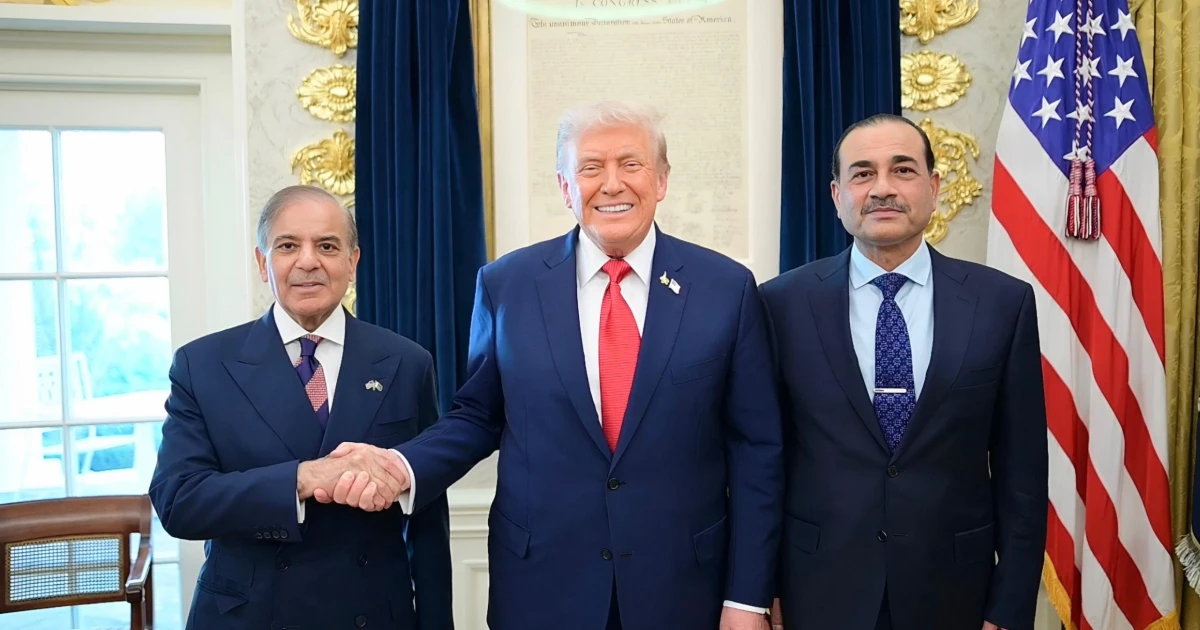
A ceasefire between the United States and Iran appeared to move closer to paper, but the hardest part still sat in front of negotiators: signatures, documents and several unresolved details. Pakistan Prime Minister Shehbaz Sharif said a “final, agreed upon text” had been reached and that Pakistan was working with both sides on the next steps.
The public claims of progress have come from several directions at once. Donald Trump said the deal was still subject to the “finalization of documents,” even after saying the United States had “just made a great settlement of the war with Iran.” Iranian Foreign Minister Abbas Araghchi said a memorandum of understanding with the United States had “never been closer,” while also urging media outlets not to speculate over the terms.
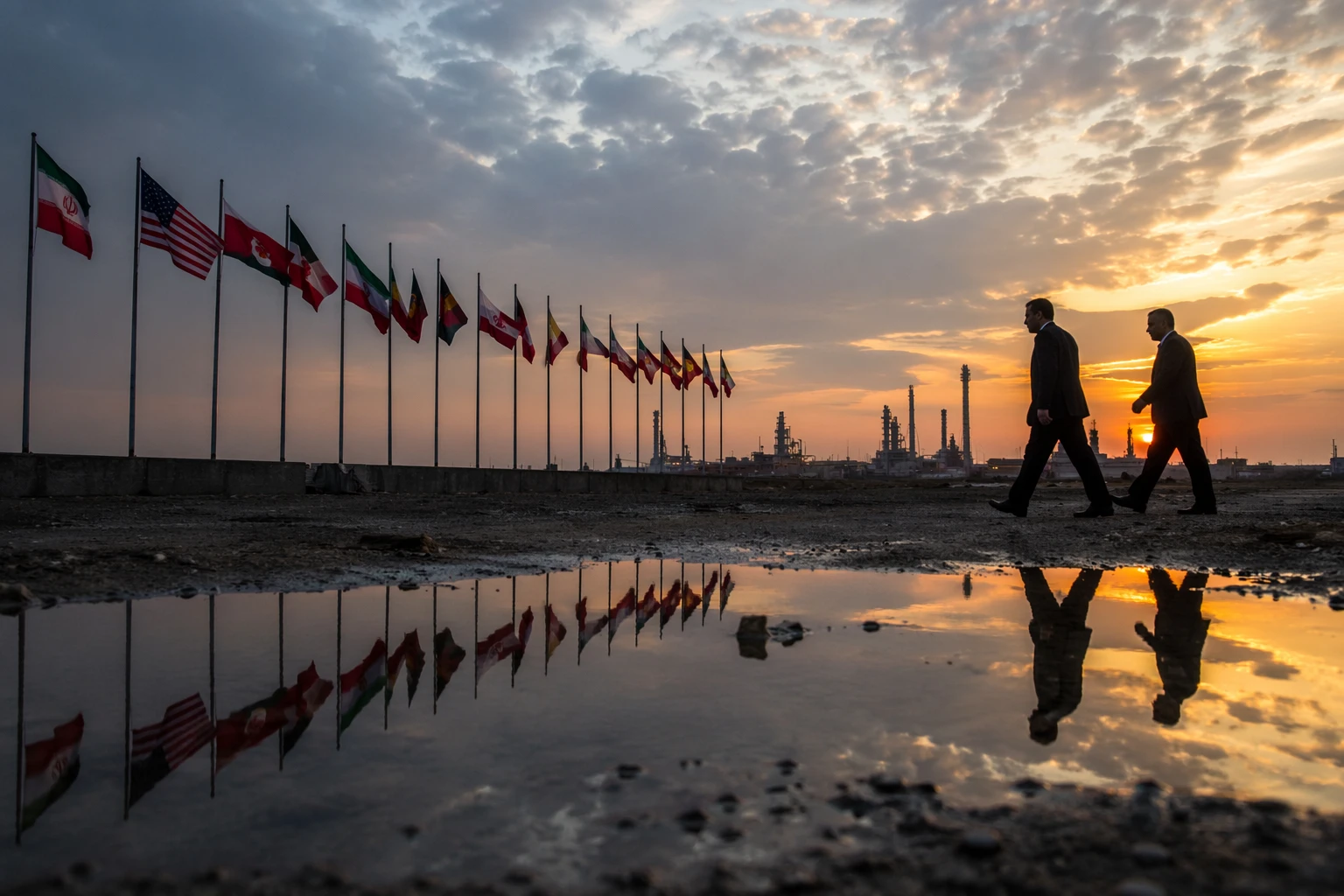
What is being discussed is broader than a simple ceasefire extension. The emerging framework under discussion would prolong the pause in fighting, reopen the Strait of Hormuz and launch negotiations over Iran’s nuclear program. For U.S. readers, the difference matters: a signed accord would mean more than a diplomatic statement, because it could affect shipping lanes, energy markets and the risk of renewed military escalation.
The backdrop is the 2026 Iran war, which began on February 28 and produced a temporary ceasefire on April 8 brokered by Pakistan after weeks of escalation. That earlier pause bought time, but it also showed how fragile the diplomacy remained. During the April talks in Islamabad, more than 10,000 security personnel were deployed, underscoring how sensitive Pakistan’s backchannel role had become.

The Strait of Hormuz sits at the center of the talks because it remains one of the world’s most important energy chokepoints. Market and AP-style reporting described more than 2 million barrels per day still moving through the waterway even amid disruption, which helps explain why reopening it is such a central term in the draft. If the accord is signed and enforced, the immediate test will be whether shipping normalizes and the ceasefire holds long enough for nuclear talks to begin.
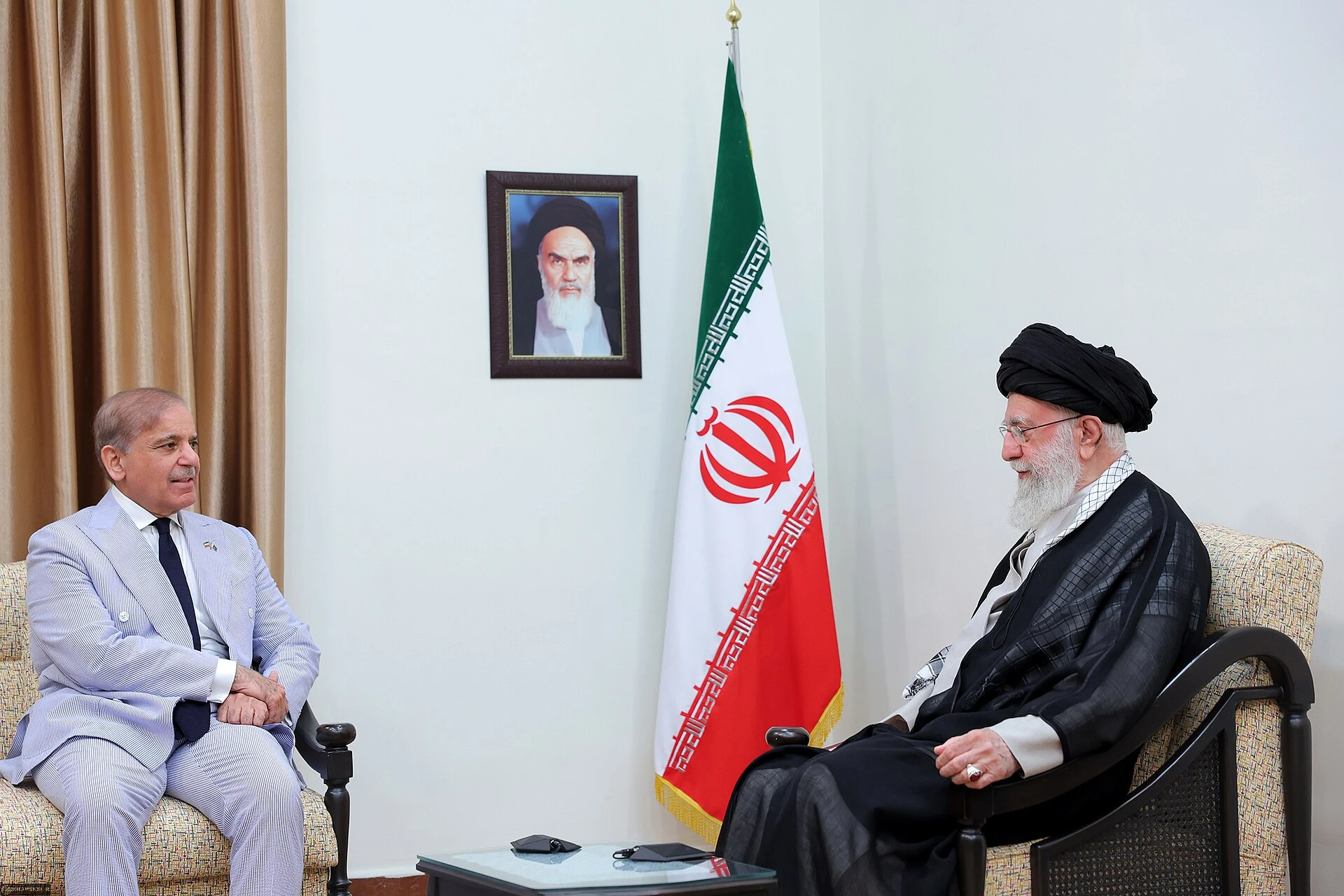
But the public messaging still points to an agreement that is not yet fully locked down. Reporting has described unsettled issues over frozen funds and the exact sequence for implementation, along with competing versions of what the draft says and who benefits from it. China has backed diplomacy and praised Pakistan’s mediation, but the real measure of success will be narrower: a signed text, a working ceasefire and a credible path into negotiations rather than another near-deal that unravels before it can take effect.
Sources
- [1]news.google.com
- [2]cbsnews.com
- [3]cnbc.com
- [4]aljazeera.com
- [5]axios.com
- [6]reuters.com
- [7]apnews.com
- [8]britannica.com