World
Pakistan scraps tax on sanitary pads and contraceptives in budget
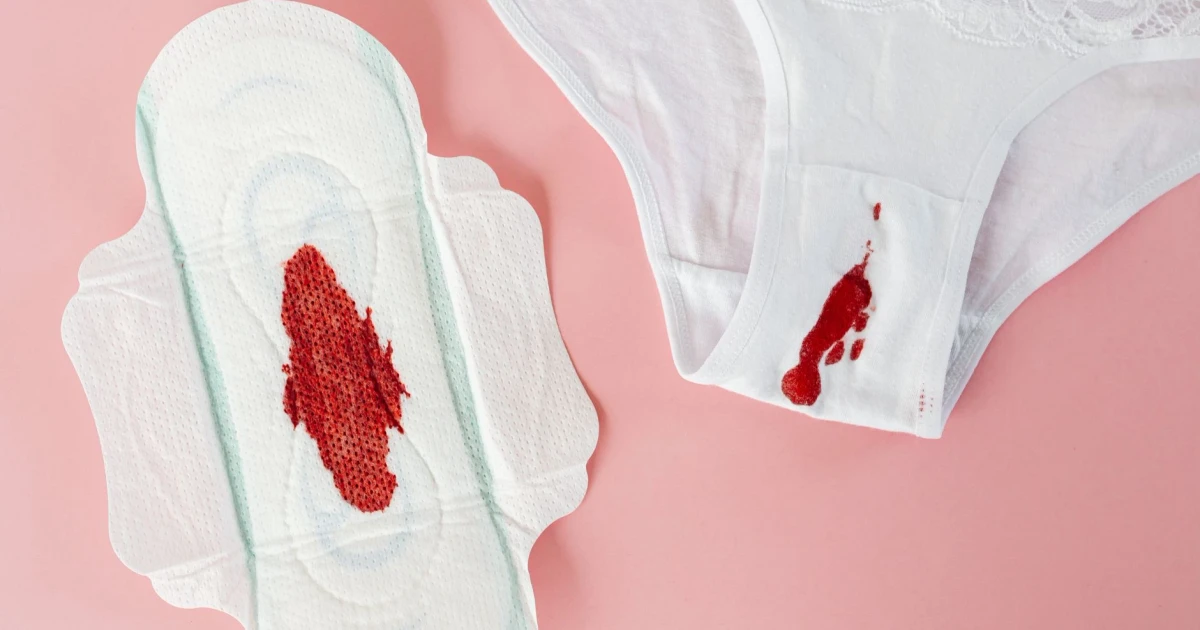
Pakistan has removed the 18% sales tax on sanitary pads, tampons, condoms and contraceptive medicines in a move officials cast as relief for essential health products. The change landed in the federal Budget 2026-27, with Finance Minister Muhammad Aurangzeb proposing the measure and Information Minister Attaullah Tarar later confirming that the government had dropped the tax on women’s hygiene products and contraceptives.
For advocates of menstrual equity, the decision marked a long-sought breakthrough in a country where many women and girls still cannot afford commercial sanitary products. One widely circulated estimate says only about 12% of women and girls in Pakistan use commercial sanitary products, leaving many dependent on cloth or homemade alternatives. UNICEF materials have said menstrual health and hygiene interventions are not just about comfort, but about dignity, confidence and sexual and reproductive health.
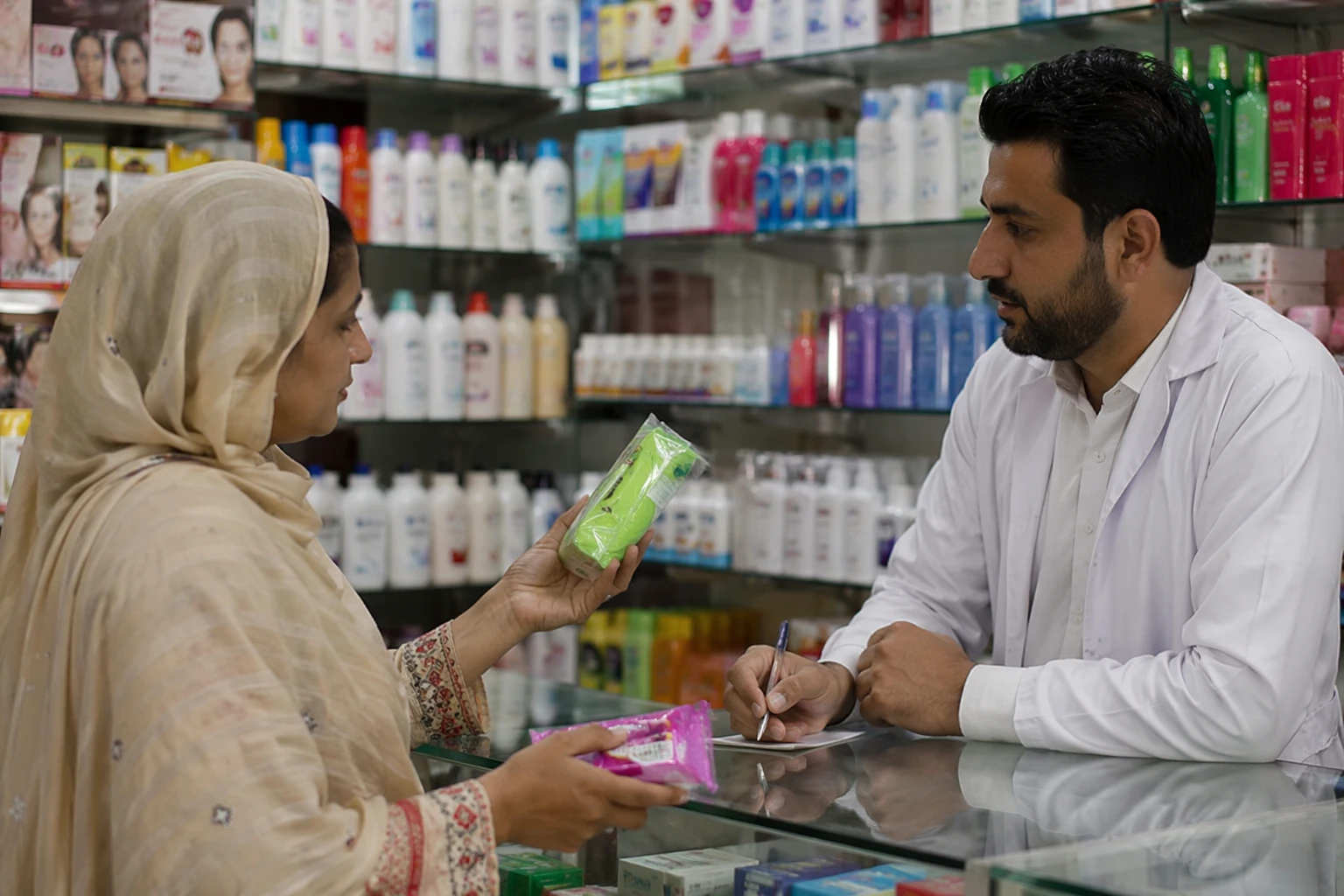
The policy also extends beyond periods. UNFPA Pakistan says the country’s contraceptive prevalence rate stands at 34%, while unmet need for family planning is 17.8%, figures that underscore how access costs can shape reproductive health far beyond the checkout counter. Cutting the tax on condoms and contraceptive medicines could reduce a small but meaningful barrier for households already squeezed by inflation and uneven access to care.
The new budget move comes after a late-2025 standoff in which reports said the International Monetary Fund rejected an immediate request to remove the 18% general sales tax on contraceptives and sanitary pads, saying any relief would have to wait for the FY27 budget. That timeline now appears to be the one Islamabad used. The Ministry of Finance and the Federal Board of Revenue posted Budget 2026-27 materials after the announcement, turning a long political demand into formal tax policy.
What remains unresolved is whether the savings will reach consumers. The real test will be at pharmacies, through wholesalers and along retail supply chains: whether manufacturers and sellers pass on the full benefit or keep part of it as margin. UNICEF and Santex have documented advocacy in Pakistan around tax reform, product innovation and social and behavioural change on menstrual health, but the policy’s public value will ultimately be measured by shelf prices and by whether low-income women and girls can actually buy what the state has just made cheaper.