Health
Pakistan Steps Up Nipah Virus Checks Amid Rising Regional Concerns
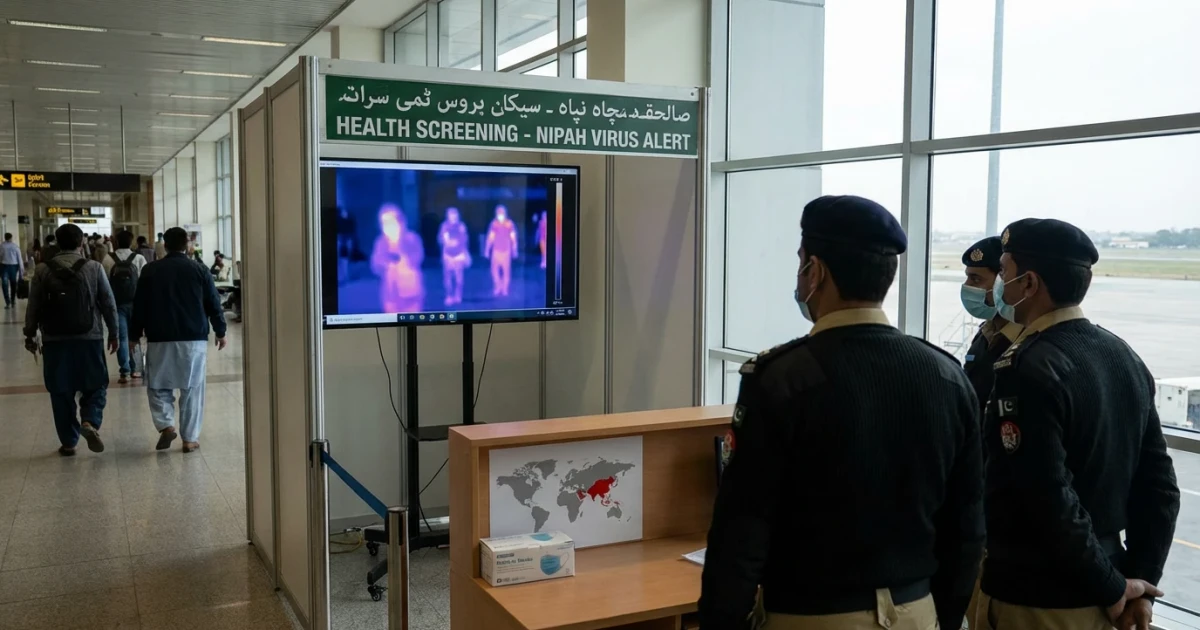
Pakistan has become the latest Asian nation to implement airport screening measures for the deadly Nipah virus, responding to a surge in regional concern following recent outbreaks in neighboring countries. The move reflects growing efforts across Asia to contain the spread of the virus, which has prompted similar responses in several other countries.
Regional Response Intensifies
The introduction of checks in Pakistan follows a pattern seen across Asia, particularly after India reported new Nipah virus cases. Airports in several Asian countries have begun screening passengers, especially those arriving from affected areas, in an attempt to identify and isolate potential cases early. This proactive approach aims to curb the risk of cross-border transmission and is part of a wider strategy to protect public health.
Understanding the Nipah Virus Threat
The Nipah virus is a zoonotic pathogen, meaning it can be transmitted from animals to humans, and is known for its high mortality rate. Symptoms often include fever, headache, respiratory distress, and in severe cases, encephalitis. There is currently no specific treatment or vaccine, making early detection and isolation critical to controlling outbreaks.
- First identified in Malaysia in 1998, Nipah virus has since caused sporadic outbreaks in South and Southeast Asia.
- Mortality rates can range from 40% to 75%, according to health authorities.
- The virus can be spread through direct contact with infected animals or people, as well as through contaminated food.
Recent Outbreaks Spark Action
Recent reports of Nipah virus cases in India have heightened regional alertness. In response, Asian airports, including those in Pakistan, have started screening passengers for symptoms and potential exposure. This strategy involves temperature checks, health questionnaires, and, in some cases, isolation of suspected cases until further testing can be conducted.
Implications for Regional Health Security
The coordinated efforts by Asian countries underscore the importance of rapid response and information sharing in managing emerging infectious diseases. By introducing airport checks and other public health measures, countries like Pakistan aim to avoid large-scale outbreaks and protect their populations from the severe consequences associated with Nipah virus infection.
Looking Ahead
As authorities continue to monitor the situation, the focus remains on early detection, public awareness, and collaboration between nations. The Nipah virus episode serves as a reminder of the persistent challenges posed by zoonotic diseases in an interconnected world, highlighting the need for vigilance and preparedness across the region.
Sources
- [1]Reuters