World
Pakistan Strikes Militant Sites in Afghanistan Border Region
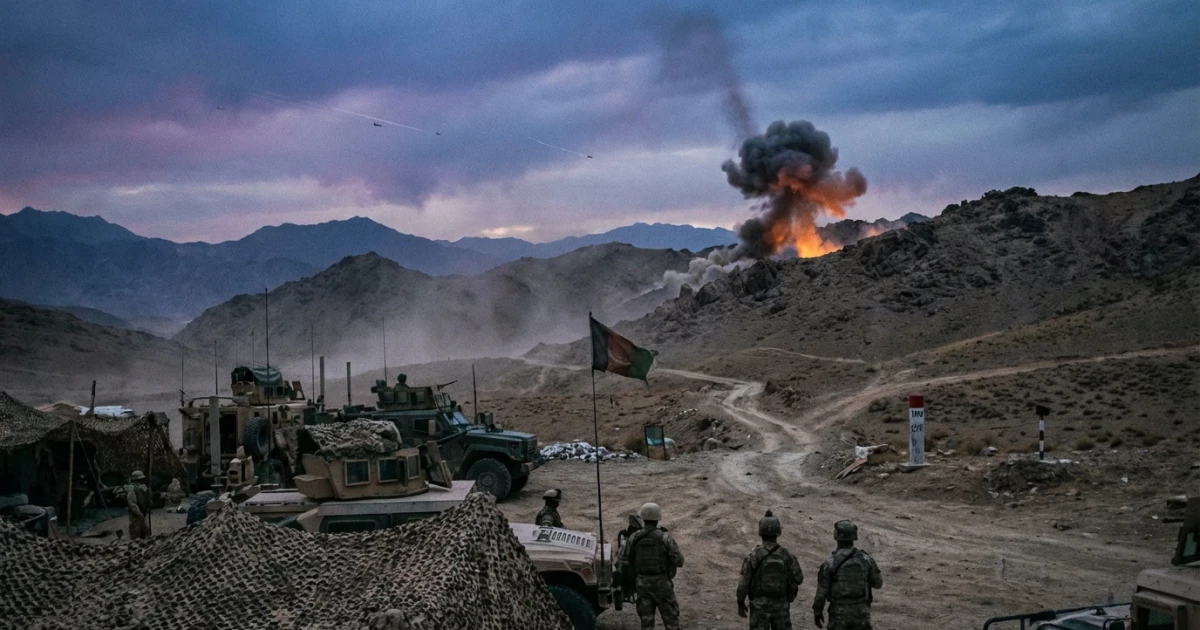
Pakistan launched a series of airstrikes in eastern Afghanistan this week, targeting what it described as militant hideouts near the shared border. According to reports from Al Jazeera and other regional news outlets, the strikes resulted in dozens killed and wounded, intensifying already strained relations between Islamabad and Kabul.
Details of the Strikes
Paksitan’s military stated the operation was aimed at “terrorist hideouts” located just across the border, in provinces known for cross-border militant activity. Al Jazeera reported that the strikes were concentrated in areas of eastern Afghanistan that border Pakistan’s Khyber Pakhtunkhwa province, a region frequently affected by insurgent attacks and security incidents. While the Pakistani government claimed the operation was a response to recent cross-border attacks targeting its security forces, Afghan authorities condemned the strikes, describing them as a violation of sovereignty.
- Al Jazeera cited Pakistani officials who said the airstrikes were necessary to disrupt groups responsible for attacks inside Pakistan.
- Casualty figures remain disputed: Pakistani sources reported “dozens” of militants killed or wounded, while Afghan officials said civilians were among the victims.
- The strikes occurred in provinces with longstanding cross-border security challenges, often linked to the porous nature of the Afghanistan–Pakistan border.
Background: Growing Tensions and Cross-Border Violence
The border region between Afghanistan and Pakistan has been a flashpoint for violence for decades. Both countries have accused each other of harboring militants who carry out attacks across the border. According to research from the ACLED Conflict Data Dashboard, the frequency of cross-border incidents—including airstrikes, armed clashes, and shelling—has increased markedly since the withdrawal of international forces from Afghanistan.
Recent months have seen a surge in attacks on Pakistani security forces, which Islamabad alleges are planned from sanctuaries inside Afghanistan. In response, Pakistan has periodically conducted limited military operations along the border. However, the latest airstrikes mark a significant escalation in both scale and impact.
Humanitarian and Political Fallout
While Pakistani authorities maintain that the strikes targeted only militants, Afghan officials and local sources allege civilian casualties, fueling anger and protests in affected areas. The humanitarian repercussions could be far-reaching in a region already grappling with displacement and insecurity. The UN Office for the Coordination of Humanitarian Affairs has previously documented the vulnerability of border communities to both conflict and limited access to aid.
In the wake of the strikes, Kabul summoned Pakistani diplomats to lodge a formal protest, demanding respect for its territorial integrity. Regional analysts, including those at the ReliefWeb Cross-Border Update, note that such military actions risk further destabilizing the border region and complicating efforts at bilateral dialogue.
Conflicting Claims and Regional Impact
- Pakistan claims the strikes were in direct response to attacks on its soil, citing the presence of groups it considers terrorist organizations operating from Afghan territory.
- Afghan authorities have denied harboring militants and condemned the strikes as a breach of sovereignty and international law.
- The incident adds to the historical mistrust between the two neighbors, both of whom have struggled to contain cross-border terrorism.
There is little independent verification of the exact number of casualties, and both sides continue to trade accusations over responsibility for ongoing violence. Data from the South Asia Terrorism Portal shows that fatalities from cross-border violence have trended upward in recent years, underscoring the persistent insecurity along the frontier.
Looking Ahead
The latest airstrikes by Pakistan mark a dangerous escalation in a volatile region, with the potential to trigger wider instability if retaliatory measures are taken. Humanitarian agencies have called for restraint and renewed diplomatic engagement to prevent further loss of life and displacement along the border. As both governments exchange recriminations, the risk of an ongoing cycle of violence remains high, underscoring the need for regional cooperation and conflict de-escalation strategies.