World
Pakistan struggles to make its voice heard as mediator in regional wars
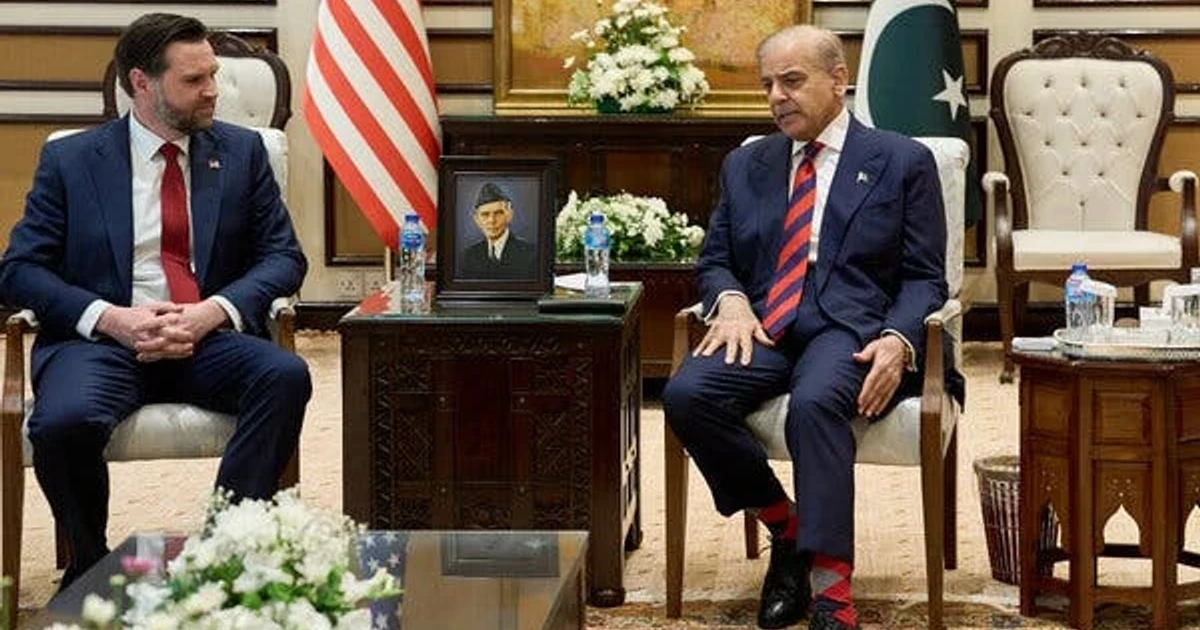
Pakistan’s latest diplomatic opening is also its hardest test: it is trying to act as a bridge in regional wars while much of the power to end them sits elsewhere. That makes Islamabad useful to outside players seeking channels of communication, but it also leaves Pakistan vulnerable to being treated as a messenger rather than a shaper of events.
A middle power trying to stay in the room
Pakistan’s role as an intermediary did not appear overnight. Its diplomacy has long rested on a balancing act between major powers, and on a willingness to present itself as a go-between when direct contact breaks down. That posture has now carried from Europe’s war in Ukraine into West Asia, where Pakistan has emerged as a mediator between the United States and Iran.
The pattern matters because it shows what Pakistan actually offers: access, channels, and political cover for contacts that others cannot easily make openly. It does not offer coercive leverage over the battlefield, and that gap explains why its voice can be welcomed in principle while still being sidelined in practice.
Ukraine showed the template
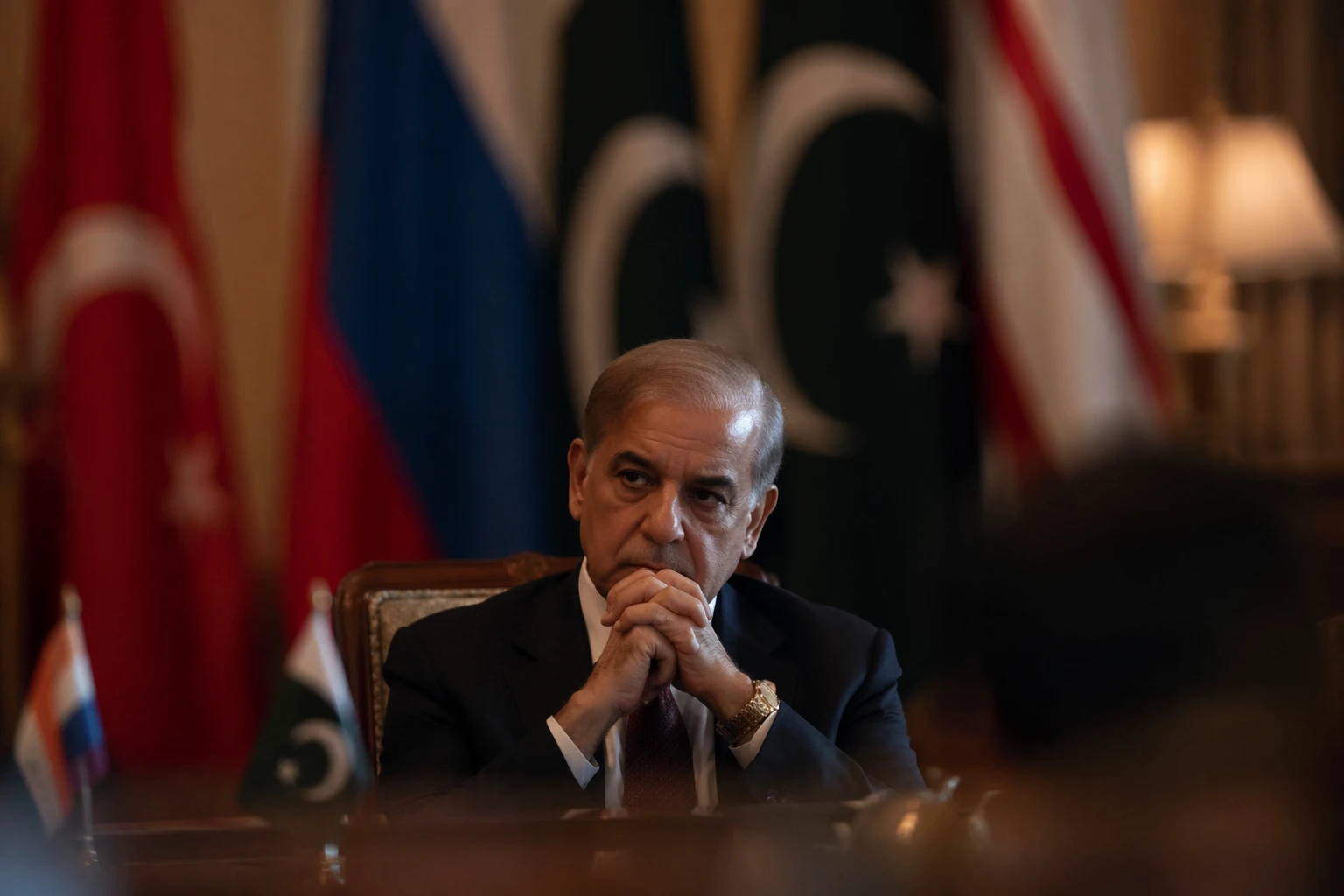
Pakistan and Ukraine established diplomatic relations in 1992, one year after Ukraine declared independence, and Pakistan maintains an embassy in Kyiv through its foreign ministry. That formal relationship gave Islamabad a basis to speak on the war when Russia invaded Ukraine, and Pakistani leaders quickly tried to cast the country as neutral.
In March 2022, then-Prime Minister Imran Khan publicly urged Muslim-majority states and close ally China to work together to mediate the Russia-Ukraine conflict. Foreign Minister Shah Mehmood Qureshi also rejected claims that Pakistan’s “neutral” stance was damaging ties. The message was consistent: Pakistan wanted to be seen as a voice for dialogue, not as a partisan actor.
That approach resurfaced in June 2024, when Pakistan faced pressure over whether to attend a Ukraine peace summit in Switzerland while insisting it had stayed neutral. The episode showed how hard it is for Islamabad to preserve room for maneuver once a war becomes a loyalty test. A country can maintain formal ties, embassy presence, and diplomatic language, yet still struggle to persuade combatants that it has enough influence to matter.
Iran gave Pakistan a bigger stage
Pakistan’s role became more visible in the Iran crisis. By 2026, the Associated Press described Pakistan as having emerged as a mediator between the United States and Iran, and Reuters characterized Islamabad as moving from an “international outcast to mediator” in the Iran war. That shift was striking because it suggested Pakistan had moved from being viewed mainly through its own internal and regional problems to being used as a channel in a much larger confrontation.
The practical opening came through diplomacy with Qatar as well. AP’s reporting said Pakistan and Qatar helped broker a US-Iran deal, and other coverage said Islamabad was trying to host or facilitate talks there. Those efforts gave Pakistan a role in the mechanics of negotiation, even if they did not give it control over the underlying strategic choices made by Washington or Tehran.
When fighting flared again in July 2026, Pakistan said renewed US-Iran conflict was “in no one’s interest” and urged both sides to honor their memorandum of understanding. The line was classic middle-power diplomacy: broad enough to sound constructive, careful enough not to alienate either side, and limited enough to avoid overpromising what Pakistan could deliver.
What leverage Pakistan actually has
Pakistan’s leverage comes from positioning, not dominance. It has formal ties with Ukraine, a history of calling for mediation, and a willingness to speak to multiple camps at once. It also benefits from relationships that let it work alongside countries such as Qatar, which can help turn a political opening into an actual negotiating channel.
But the constraints are just as clear. Pakistan cannot force settlements in either war, and it cannot shape the battlefield the way the United States, Iran, Russia, or other directly involved powers can. That is why outside observers have questioned how much real leverage Islamabad has, even as Pakistan seeks recognition as a diplomatic bridge.
Michael Kugelman of the Atlantic Council has said Pakistan badly wants to avoid being dragged into the Iran war because spillover risks are especially acute for its own security. That concern is central to Pakistan’s diplomacy. It wants to prevent regional conflict from spilling into its territory and economy, but the same caution can make its message easy to sideline when larger powers are focused on military pressure or strategic signaling.
Why the message keeps getting drowned out
Pakistan’s struggle says something broader about mediation in wars dominated by bigger powers. A middle power can open doors, pass messages, and create room for talks, but it cannot compel attention if the combatants believe they can still improve their position through force. In those moments, the mediator’s value is real but fragile.
That is the limit Islamabad keeps running into. It is trying to be heard as a bridge between adversaries in Ukraine and in West Asia, yet the wars themselves are being shaped by actors with greater military reach and louder narratives. Pakistan can offer a channel; it cannot guarantee that anyone will choose to walk through it.
Sources
- [1]nytimes.com
- [2]aljazeera.com
- [3]mofa.gov.pk
- [4]voanews.com
- [5]apnews.com
- [6]reuters.com