World
Pakistan tightens rules on foreign media, drawing press-freedom backlash
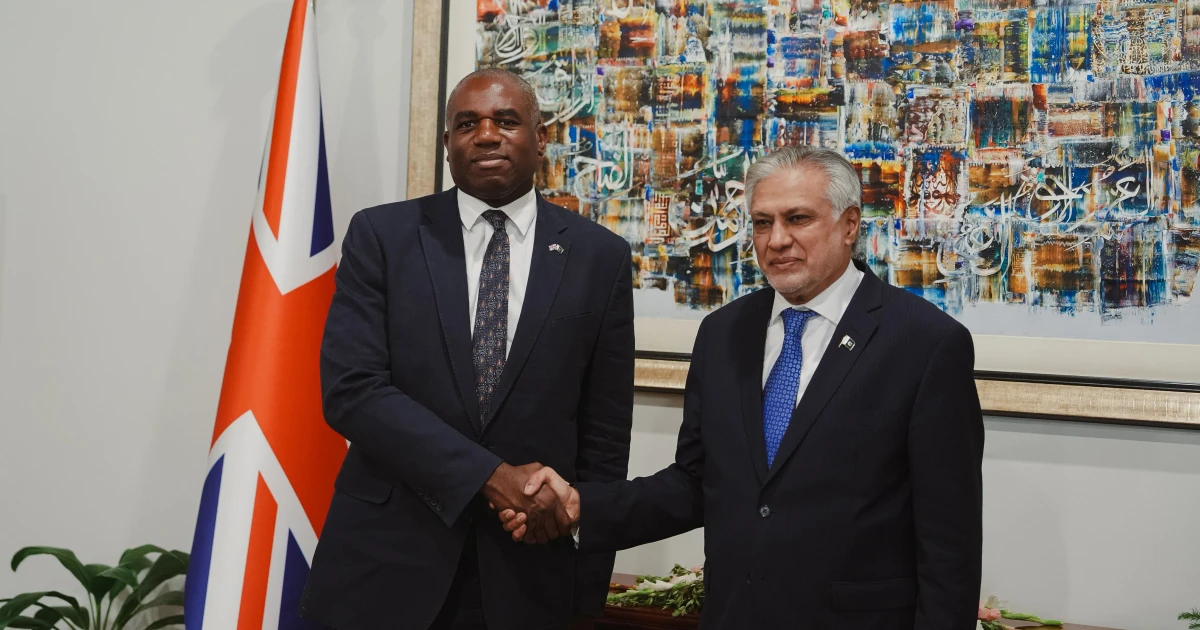
Pakistan issued formal guidelines in August that require foreign journalists to obtain a No Objection Certificate before traveling outside Islamabad, Lahore and Karachi for professional reporting, and the rules now reach Pakistani nationals who work for overseas outlets. The change extends beyond visiting correspondents to local reporters, fixers, producers and support staff, a move that press-freedom advocates said would make it harder to cover the country’s most sensitive stories.
The new system gives the government a direct gatekeeping role over where international news organizations can send their staff. Under the rules, Pakistani employees of foreign media also need permission to travel and report outside Islamabad, a restriction that could slow coverage far from the capital and make editors more cautious about dispatching crews into the field.
The timing has sharpened concern inside Pakistan’s already strained media environment. Reporters Without Borders placed Pakistan 158th in its 2025 World Press Freedom Index, a ranking that underscored how heavily journalists already work under legal, administrative and informal pressure. Reuters also reported in January 2025 that Pakistani journalists rallied against a law regulating social media, a sign that the industry had already been mobilizing against new controls before the foreign-media rules were unveiled.
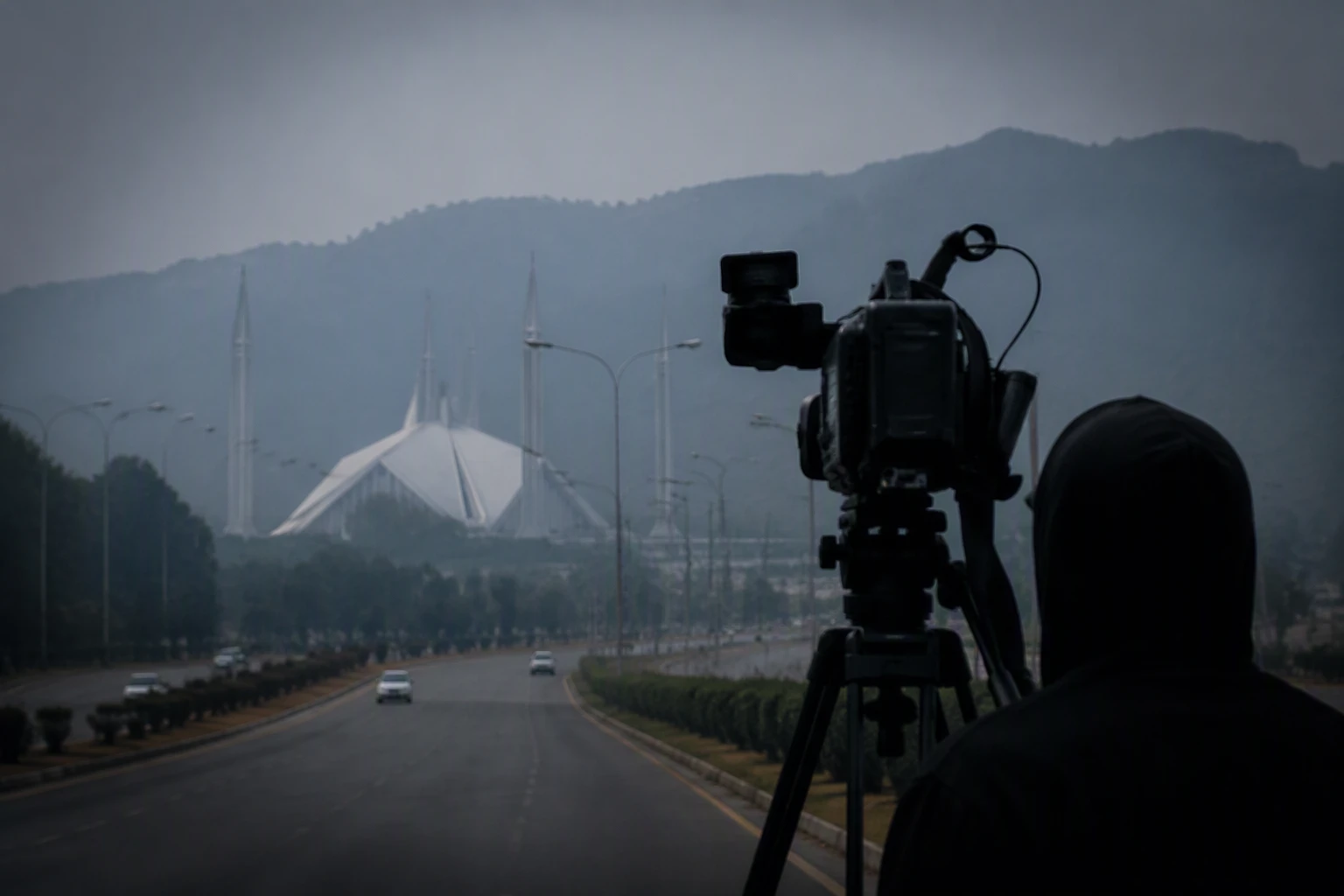
The latest step fits a familiar pattern used by governments that want to constrain coverage without staging an outright ban. Travel approvals, permits and accreditation rules can be framed as routine administration, but they also give officials a practical way to delay, narrow or discourage reporting. In Pakistan, that matters because major political crises, security operations, protests, court proceedings and regional unrest often unfold outside the three biggest cities, where foreign outlets rely heavily on local staff to arrange access and gather testimony.
The restrictions have also been linked to coverage of Pakistan-administered Kashmir, where a protest movement has challenged Islamabad’s authority. The New York Times reported on August 5 that Pakistan was starting a sweeping crackdown on journalists amid the unrest, adding a political-security backdrop to rules that now regulate not only foreign correspondents but the local networks they depend on.
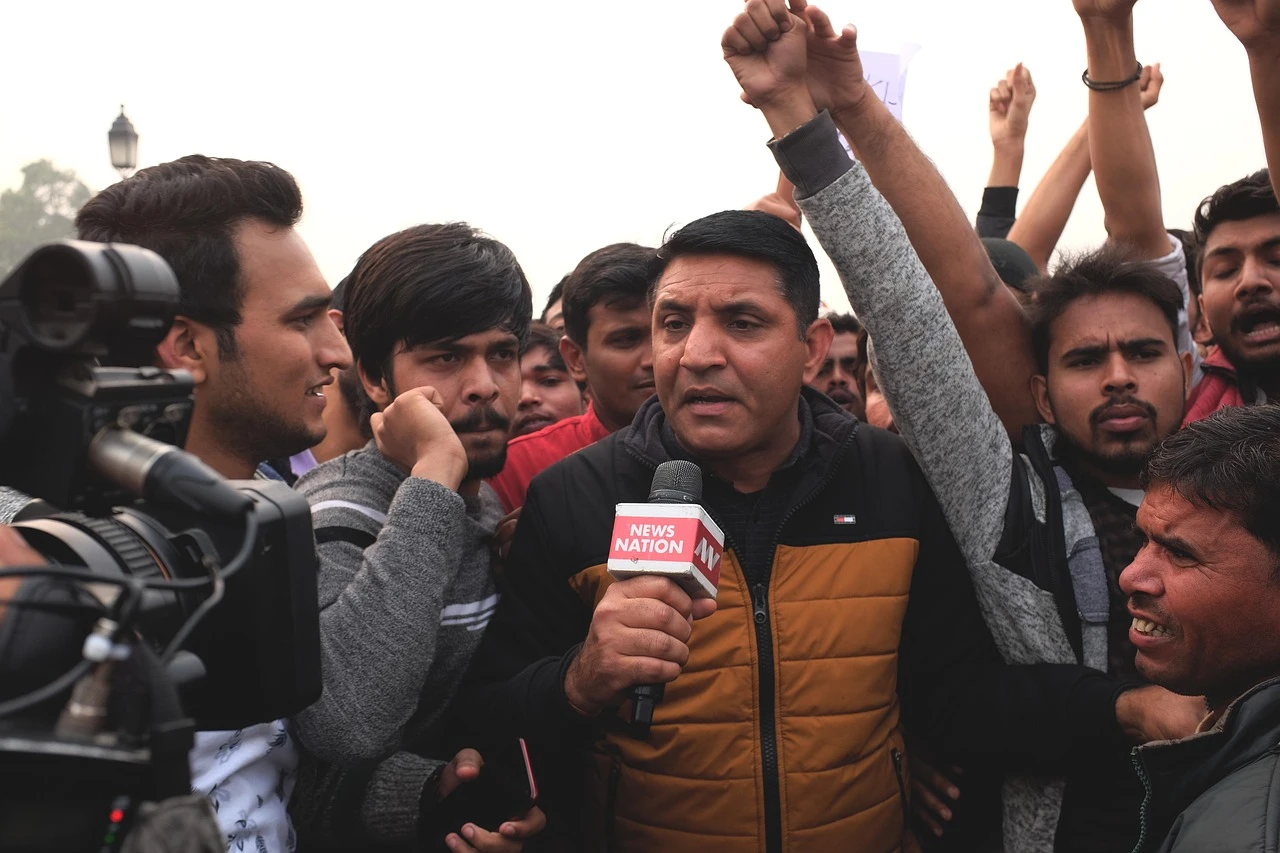
For international newsrooms, the practical effect is clear: if Pakistani staff cannot move freely without government permission, the reporting gets slower, thinner and easier to choke off. That is why the backlash has been so sharp, and why the rules are being read as a more effective form of censorship than a headline-grabbing ban.
Sources
- [1]reuters.com
- [2]wtop.com
- [3]youtube.com
- [4]rsf.org
- [5]nytimes.com
- [6]cpj.org